

What are the qualities of a successful school? It includes a variety of qualities and factors. A successful school will consider the needs of the students and help the students find out the right ways to achieve their goals. Successful schools ensure the good learning outcomes and development of all students. But what makes an effective or successful school?
Effective Leadership for Successful School
It will support the students and teachers with innovative ideas. Successful schools have good leaders at all levels. They will make a positive link among the faculty, staff, parents and students. The attitude of the Principal is more important. An effective Principal should be innovative and encouraging. He or she should give support to the teachers and make student-centered decisions. Good leadership will motivate the teachers and ensure a high-quality experience for the students. They will create a positive change in the school environment.
They should promote innovation and the creativity of their students. It is a process of guiding the teachers, students and parents towards achieving their ultimate goals. Effective leadership is the key factor in a successful school.
Frequent Communication
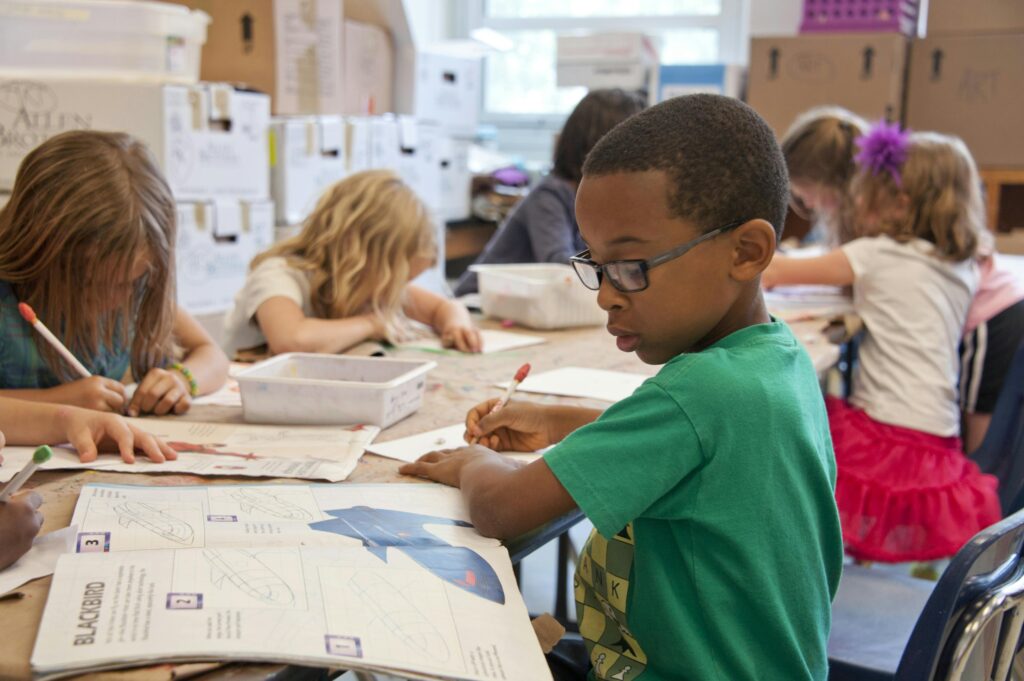
Effective communication is a lifeline for any successful school system. The appreciation of communication impacts, transparency, teamwork, and students’ performance. Schools that pay attention to communication between teachers, students, and parents build a friendly environment and are well-informed; this directly impacts building a collaboration for children’s interests.
Why Frequent Communication is Essential in Schools
- Enhances Transparency: rather frequent briefings of the stakeholders, especially the parents and teachers, on school policy, events, and students’ progress;
- Builds Strong Relationships: Honest dialog helps to establish trust and rapport between teachers, students, and parents;
- Improves Student Performance: Enhanced by the fact that either teachers or parents will intervene very early to problems the students are facing when, for example, they do not understand a concept;
- Encourages Parental Involvement: When parents stay involved, behavior improves, attendance rises, and achievement escalates.
- Elimination of misunderstanding: clear, open communication will likely prevent any confusion and bring everyone on the same wavelength when one speaks of school activities or expectations.
By maintaining continuous and pertinent communication, schools will be able to create a positively beneficial and nice environment throughout the school experience. And these updates can be administered through e-mails, newsletters, meetings, and other digital platforms; everyone on the committee should update everyone else to the best of their ability for the interest of the students.
Teamwork of the faculty
A successful school will create an atmosphere for the teachers to work. It will create a sense of accountability and trust in the minds of teachers. It allows the teachers to do more productive work. It supports the teachers to enhance the students learning. Effective teamwork will strengthen leadership and increase job satisfaction. If teachers work in a team, they can help the students for better learning outcomes.
The teachers should collaborate in an ideal school by supporting each other and working in teams. Teachers working in concert establish a climate of cooperation and sharing that encourages them to be truly productive in their work. The manner within which teachers interact with each other is through sharing innovative ideas, competencies, and best practices. This will, in turn, enhance good methods of teaching, hence improving students’ learning.
Collaboration of faculty in schools consists of
- Greater efficiency: Collaborative classroom team teaching allows planning of lessons with fewer burdens on the teacher.
- Greater opportunities for leadership: Teamwork enables creative avenues for mentorship, where the experience-based knowledge of master educators is carried over to novice teachers.
- Greater teaching satisfaction: Covers for a supportive team with higher morale, motivation, and fulfillment while working so as to age down the unnecessary teacher turnover.
- Student learning gains: Best working with alternate designs for lesson plans and responding to individual student needs together ensures elevating standards for achievement within an entire school.
- Creation of creativity: Working in a team opens avenues for creative solutions to problems and original teaching techniques aimed at students.
By forming honest teams, the school serves to ultimatum a safe environment for teachers and sharing of one another’s strengths. Teaming not only heightens the ability of teachers to implement positive techniques forward, but it also works in developing the overall achievement of the school and the students.
Parental involvement
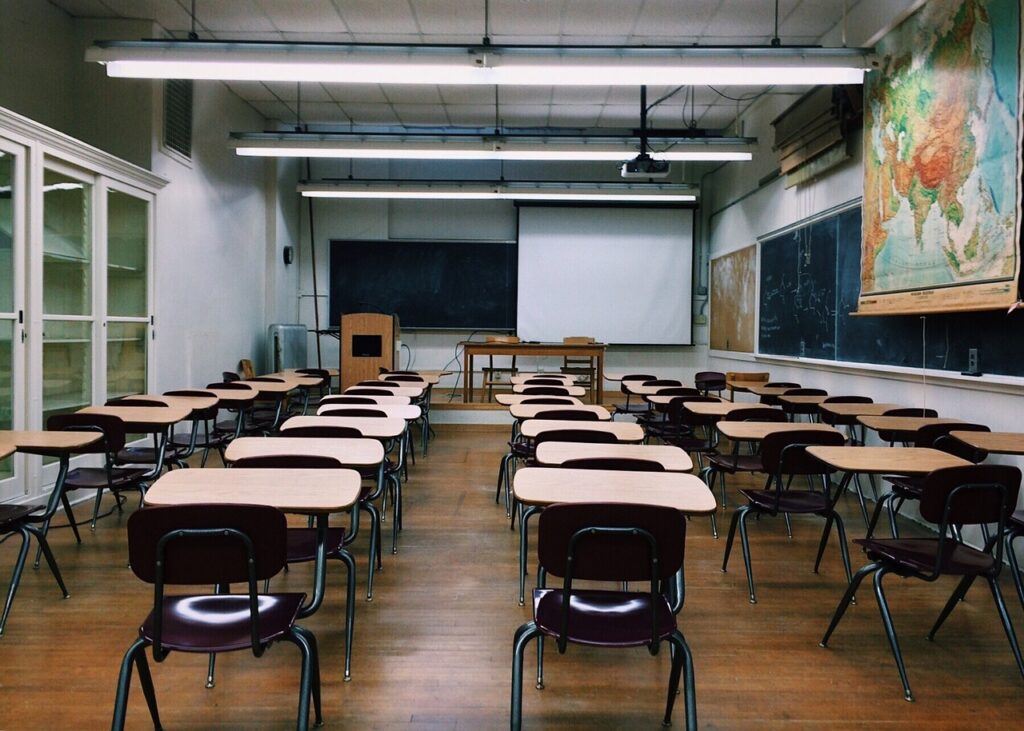
It means the participation of parents in their child’s learning and academic performance. A successful school will build a connection with parents and make mutual responsibility for the learning of students. Parents should understand what they can do for their children. It makes a strong relationship between schools and homes. Teachers will provide learning resources and information about their child’s progress. Schools can use social media because it provides the best ways to connect parents to the school.
Parental involvement is closely related to student growth. Parents must therefore be involved in educational conversations, school conversations, and academic dialogue of children. A good school has shown the involvement of a strong connection between parents while putting a particular emphasis on shared responsibilities concerning the learning of a child. When parents participate in teaching-learning processes, it is most likely that such children perform well academically and are well-behaved, developing a passion for learning.
Reasons Why Parent Involvement is Important
- Friends for Staff and Parents: Communication between home and school creates trust and cooperation.
- Constancy in Providing Feedback to Each Teacher: Parents provide input for teachers to encourage students to be positively engaged in learning.
- Provide a Resource: Teachers can relay educational resources, tips, and feedback to the parents to help support a child.
- Through Digital Means: Schools can use apps, emails, or social media to inform parents about their children’s education.
Through healthy parental engagement, schools create structures that lay a foundation for student success. The more parents interact with their schools and get involved, the more likely the school system can ensure quality academic and emotional development for children.
Expectations of high standards of students

A high-performing school has a culture and climate of high expectations for each student, believes in the power of his or her academic and personal success, and will establish those expectations through goal setting and structured learning plans leading toward student success. The power of instilling high expectations across the school is the fundamental nature of the trust and self-confidence built up through always challenging students to hold rigorous yet attainable expectations. When coupled with the impression of high expectations, this creates an excellence culture, with students working hard and developing those vital analytical skills through which they could expand their capacity subsequently in life.
Also, they believed…
- It nurtures academic excellence—fostering high expectations within its borders encourages students to strive for excellence.
- It builds up the confidence promise to a student, gives him or her esteem and the expectation of success in studies; respect is developed on the other side.
- Improving the effective teaching prepared through high expectations—Naturally, like the other pupils from classes, teachers are also lively to reach the academic expectations they set earlier with the help of hard work and discussions with other staff.
- It develops work ethics. It teaches commitment, dedication, motivation, and many personal values that include discipline, determination, and continuous efforts on the part of the students.
- Preparing students for future success: Standards in higher education prepare the students to face issues in the way of critical, logical, and overall successful minds.
High expectations together with support yield lifetime benefactors to a student inside, which he is exposed to the academic potential of the world for maximum development in the future.
Curriculum and Evaluation

A structured curriculum combined with well-designed evaluation procedures is always vital for students to achieve their success. Teachers should also have a profound knowledge of the evaluation process in order to achieve accurate assessments of student progress. Schools will provide regular training for teachers and offer them the right tools for sincere assessment. Evaluation is more than grading; it is the measurement of how effective the curriculum is and whether the learning objectives have been met.
Importance of Curriculum and Evaluation
- To Measure Student Learning Outcomes: Evaluation provides a means of determining whether students have learned key concepts and skills.
- To Improve Teaching Approach: Regular checks enable the teacher to reveal gaps in the learning process and change the teaching method in question.
- To Determine the Effectiveness of Curriculum: Schools can provide evidence that the curriculum meets educational goals and hence can take necessary corrective measures.
- To Promote Continuous Improvement: Assessment data allow students and teachers to collaborate toward the improvement of the learning experience.
- To Support Differentiated Learning: Classical evaluation enables teachers to develop lessons that cater for the unique needs of students.
By instituting a strong evaluation system, schools can affirm the realignment of the curriculum with student needs and its ongoing, meaningful effectiveness. Continuous assessment fosters academic excellence and enhances student capability in meeting future challenges.
Conclusion
In conclusion, we can say that a successful school will make a successful student community. It needs greater efforts and commitment to provide a positive school culture. To build a school successfully, we need efficient leadership, communication with the faculty, cooperative functioning of the parents, high expectations of students, and, within this framework, an appropriate curricular structure with proper assessment. The key elements are more of the facilitation of the creation of an optimal learning atmosphere where the students flourish academically and personally.
When schools promote this collaboration in the classroom between admins, teachers, parents, and students, they ensure favorable learning outcomes and the complete development of all. Continuous improvements, innovations, and decisions respectful of the student foster the way for success to follow. Schools will thus mold the next generations into zealous, sensible, and responsible citizens. Finally, the measure of the well-being and achievement of the student is the measure of the success of a school.
Frequently Asked Questions (FAQ’S)
1. What are the characteristics of a successful school?
A successful school needs strong leadership, communication, faculty teamwork, and parental involvement. It fosters high expectations that encourage academic excellence. A strong curriculum and evaluation system guarantee quality education. All of these create an environment conducive to providing students with positive learning.
2. How does good leadership affect school success?
Effective leadership promotes innovation, teamwork, and a positive atmosphere within the school. Good leaders support the teachers, motivate the students, and have parent relations. All decisions are based on student-centered ideas that will move student learning forward. Good leadership sets a tone within the school that promotes academic and personal growth.
3. Why is parental input so vital to the student’s education?
Parental involvement includes improved student performance, behavior, and motivation. Involvement from parents creates a triangle connection between school and home that solidifies learning. Teachers can provide parents with extra resources and updates so they can do what’s necessary to ensure their child’s success. Use technology-based measures to bring parents into what they need to know.
4. How does regular communication play a role in the success of the school?
Regular communication ensures openness and builds trust within the school community among teachers, students, and parents. Keeping updates frequent will help minimize misunderstandings and keep the community informed as to what is happening within the school. This enables earlier intervention concerning student difficulties, thus boosting academic performance. Many schools apply email newsletters and meetings to keep the communication live.
5. What role do the curriculum and evaluation play in student success?
A well-designed curriculum and evaluation process help ensure the quality of education delivered to students. Evaluation allows a teacher to evaluate their students’ progress and improves teaching methods. Schools must offer training for teachers for better assessment strategies. Continuous improvement in curriculum and evaluation helps maintain education of very high quality.
You may like to read:-
How to Become a Good Teacher: 6 Helpful and Successful Ways
Curriculum Planning: How to Optimize Learning with Proven Models
- How to Dominate Your Online Business With 5 Proven Digital Marketing Strategies
- How to Cultivate Critical Thinking and Problem-Solving Skills in Classroom
- Top Proven Mental Health Strategies for Schools in 2025-26
- Time Management for Teachers: How to Plan, Prioritize, and Perform Better
- How Parental Involvement in Education Shapes a Child’s Growth and Success