
Introduction
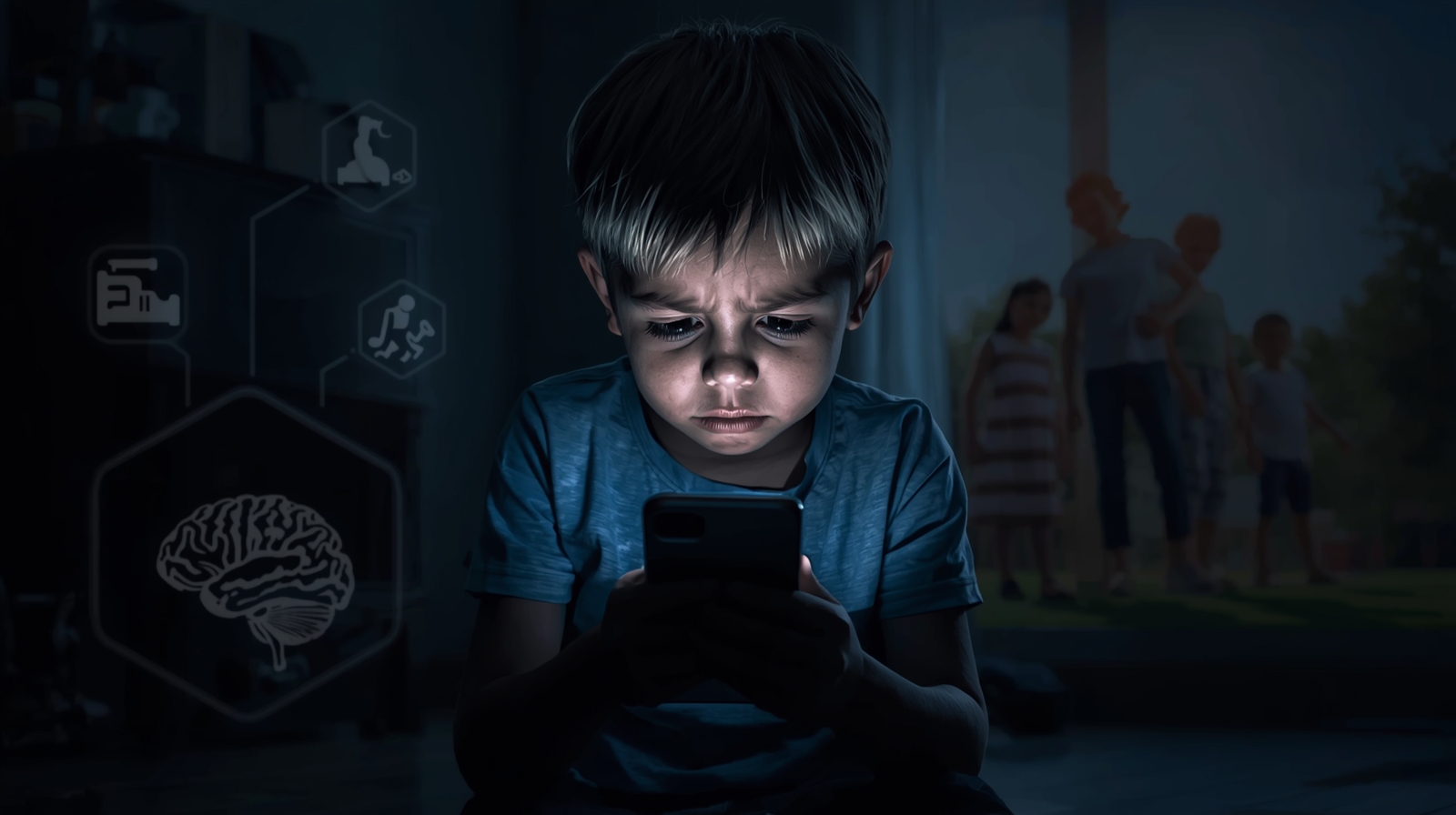
In the present digital age, smartphones have become an inseparable part of children’s lives. However, recent global studies and reports highlight a serious problem—early smartphone usage may be putting children’s health at risk. Parents, educators, and school leaders must take this serious issue seriously.
How Smartphones Are Affecting Children’s Health
A recent study reported by CBS News reveals that children who own smartphones by the age of 12 face significantly higher risks of depression, poor sleep, and obesity.
The research, based on data from over 10,000 adolescents, found that the younger a child receives a smartphone, the greater the health risks. This means that early smartphone exposure is not just a lifestyle choice—it is a health decision.
Rising Screen Time Among Students
Globally, smartphone usage among children is increasing every day, with reports indicating that a majority of students spend more than two hours daily on screens, often for non-academic purposes. Surveys further show troubling patterns, including increased attention problems in classrooms, reduced outdoor play and social interaction, and growing levels of anxiety, stress, and behavioural issues. These trends clearly show that excessive screen time is negatively affecting both academic performance and emotional well-being.
What the Data Says About Child Phone Usage
Statistics on child smartphone usage show a dramatic rise in recent years. A large percentage of children now receive their first phone between the ages of 10 and 12, and smartphone ownership among teenagers has become nearly universal in many countries. This early exposure significantly increases the likelihood of digital dependency and addiction. As a result, this growing trend is reshaping childhood in profound ways—and not always for the better.
Impact on Mental and Physical Health
Experts say that too much use of smartphones can lead to many health problems.
1. Mental Health Issues
Children exposed to smartphones at an early age show higher rates of depression and anxiety.
2. Sleep Disorders
Late-night screen use disrupts sleep cycles, leading to insufficient and poor-quality sleep.
3. Physical Inactivity
Increased screen time reduces physical activity, contributing to childhood obesity.
4. Social and Behavioral Changes
Children may experience reduced face-to-face interaction and social withdrawal.
What Experts and Organizations Recommend
Global experts and organizations are increasingly advocating for a more balanced and cautious approach to children’s smartphone use. They recommend delaying smartphone access, preferably until after the age of 13, creating screen-free zones at home, and encouraging outdoor activities and real-world interactions. Additionally, monitoring and limiting daily screen time has become essential. In response to these problems, some countries have even started introducing school phone bans and digital safety policies to better protect children’s overall well-being.
Role of Parents and Educators
As parents and educators, we must guide children towards balanced digital habits. Schools can play a key role in this effort by promoting digital literacy and responsible usage, conducting awareness programs for parents, and encouraging participation in sports, arts, and collaborative learning activities that support overall development.
Conclusion
Smartphones are powerful tools, but when introduced too early, they can negatively impact a child’s health and development. The evidence is clear—timing, supervision, and balance are crucial.
By making informed decisions today, we can ensure a healthier, happier future for our children in this digital world.
You may like to read:- Benefits of Play in Early Childhood Education for Growth and Learning
Best Summer Vacation Activities for Students: Learning, and Personal Growth

