Introduction
Have you ever looked at your classroom? You may notice that some students are sitting there, but their minds are not there. They might stop asking questions; they do not want to take part; they leave their work and just not care about learning.
When this happens, your first thought might be to push them. Sometimes students do not need more pressure. They need connection.
As a teacher, your relationship with your students can affect their interest in learning. If you try to change the way they learn, you should try to understand them.
Try to Understand the Reason
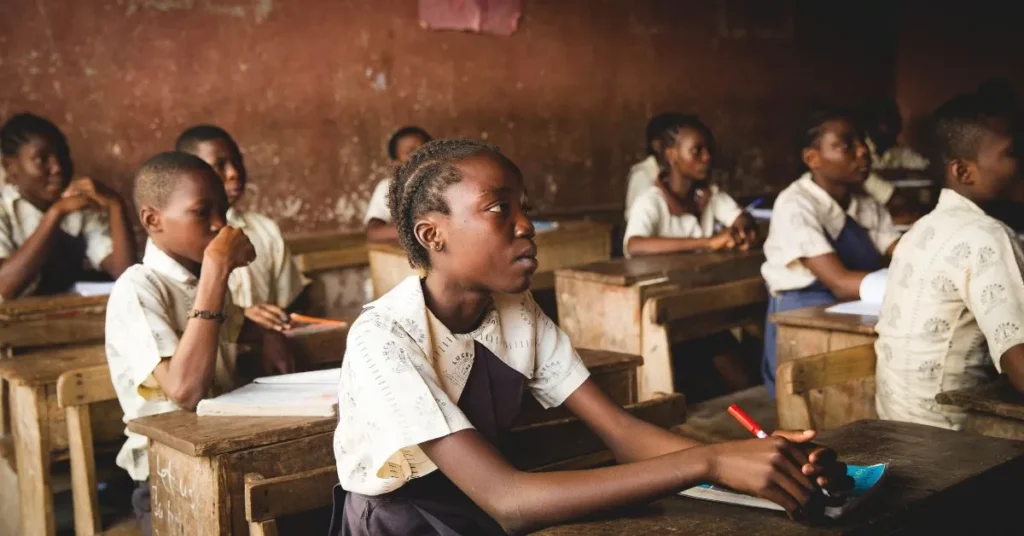
When a student loses interest, do not quickly think that the student is lazy or does not care. There are reasons for this change. If the lesson could be too hard, the student might be having trouble with confidence. There could be issues outside of school.
You can talk to the student. You can ask questions like “Is something making it difficult for you to learn?” or “How can I help you?”
Sometimes, simply listening can spark interest.
Make Your Lessons Meaningful
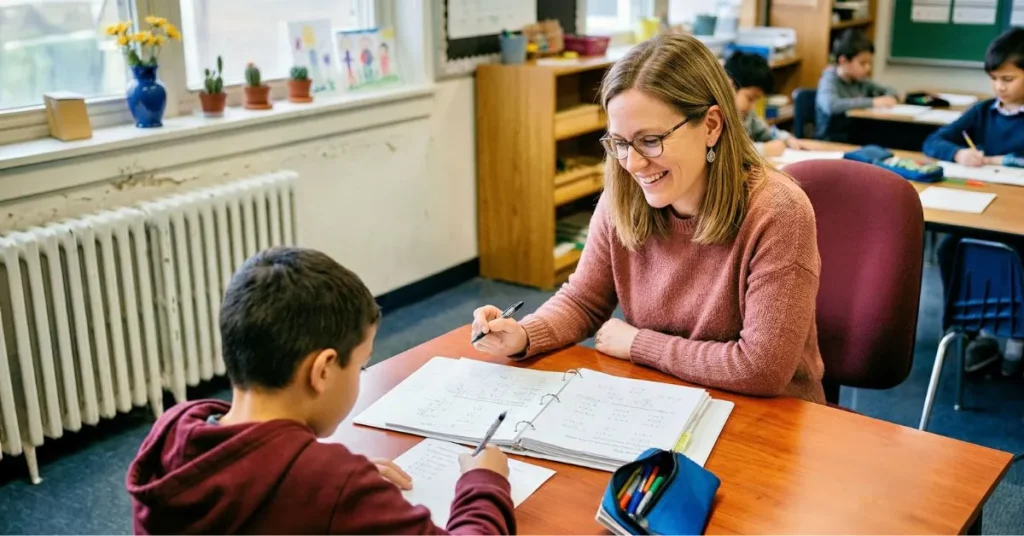
Students are more likely to take part when they know why they are learning something. You should try to link your lessons with life. You can use real-world examples, narratives, exercises, games, illustrations, or problems that your students can comprehend.
You should give opportunity to children to think, speak, create, and solve problems rather than just memorize facts.
Interest usually returns when learning feels meaningful.
Give Them Opportunities to Succeed
A student who keeps struggling may slowly stop trying. You can help by giving them small and achievable tasks.
Praise real effort, improvement, and taking part. You should not compare one student with another. Let your students see their progress.
You can say, “You have gotten better over time. Keep going.”
A few kind words from you can give a student who is struggling the confidence to try again.

Give Students a Voice
Sometimes students stop caring because they think they have no part in the learning process.
You should give them choices. You can allow them to pick two activities, suggest a topic, ask a question, or share their thoughts. Encourage discussions in the class where their opinions are valued.
When students feel that their voice is important, they are more likely to take a role in learning.
Connect Before You Correct
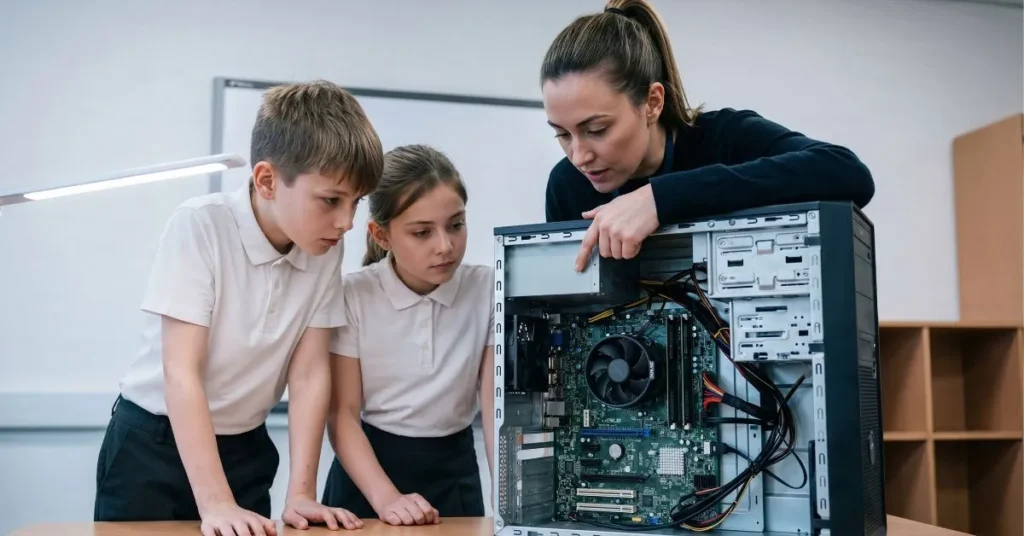
If a student is always distracted or does not want to take part, just correcting them may not fix the problem. You should build a relationship before you talk about the behaviour. You must learn the students’ names, see what they like, and notice their strengths. Show real care.
Your students may forget lessons, but they are unlikely to forget a teacher who made them feel understood.

Conclusion
When your students lose interest in learning, do not give up on them. You should look beyond their behaviour and try to understand what they need.Your connection can be the bridge between a struggling student and a new chance to learn.
Sometimes the best way to start learning is not to teach harder but to connect more deeply.
You may like to read:-How to Talk to Students Without Hurting Their Confidence
Good Teachers Teach; Great Teachers Connect
FAQs
1. What is student engagement?
Student engagement is when students actively participate think, communicate and show interest in learning.
2. Why do students lose interest in learning?
Students may lose interest in learning because lessons can be difficult, confidence may be low, personal problems may arise or a connection may be missing.
3. How can teachers improve student engagement?
Teachers can improve student engagement by making lessons encouraging participation and building strong relationships.
4. Why is teacher-student connection important?
A positive teacher-student connection helps students feel understood, valued and more confident, about learning.
5. How can teachers motivate struggling students?
Teachers can motivate struggling students by giving achievable tasks, appreciating struggling students effort, listening to struggling students, and helping struggling students, and recognize their progress.