

As a teacher, you know that your words can have an effect on your students. Sometimes a few encouraging words can make a student feel confident enough to try again. On the other hand, a harsh comment can stay in a student’s mind for a long time.
Your students may forget some of the lessons you teach. They may remember how you made them feel.
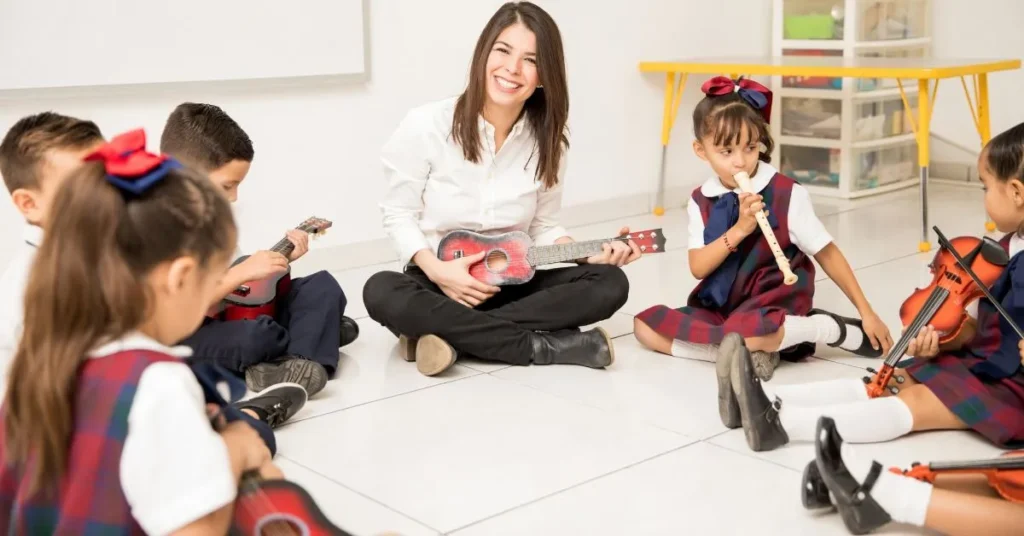
Your Words Can Build Confidence
When a student makes a mistake, your first response can make a difference. Instead of saying, “You never understand anything “, you could say, “Let us look at this again. I think you can understand it.” Both sentences address the mistake. The second one does not make the student feel incapable. Always remember to correct the work or behaviour, not the child.
Correct Without Humiliating
Sometimes you may feel frustrated because a student keeps making the mistake. That is understandable. Correcting a student harshly, especially in front of classmates, can affect their confidence. If the matter is personal or sensitive, try to speak to the student.
Instead of saying, “Why are you always careless?” try saying, “I know you can do better. Let us see what went wrong.” Your purpose is to help the student improve not to make the student feel ashamed.

Choose Encouraging Words
You do not need to praise everything a student does. You can correct them in a way that encourages them to improve.
Instead of saying:
“You are weak in English.”
Try saying, “You can improve your English with more practice.”
“You are careless.”
Try saying, “Take a little care next time.”
“You cannot do this.”
Try saying, “It may be difficult now, but keep trying. You can learn it.”
“Your answer is wrong.”
Try saying, “Let us check the answer and see where you went wrong.”
These may seem like changes, but they can make a big difference to a student’s confidence.
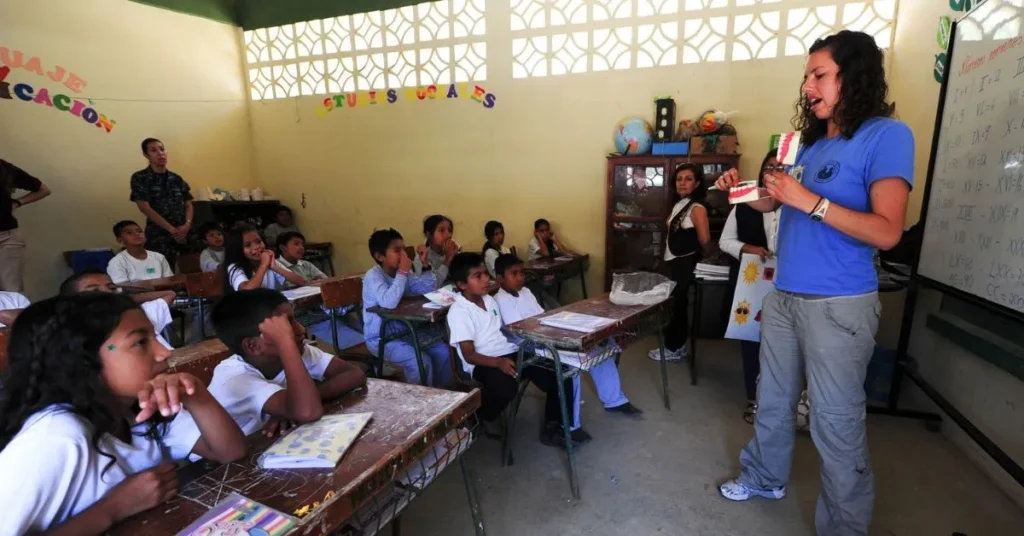
Listen Before You Respond
Sometimes a student does not need advice immediately. They simply need someone to listen. When a student comes to you with a problem, try to give them your attention. Put aside distractions and let them speak. You do not always have to solve the problem. Sometimes listening itself is a form of support.
When you listen patiently, you are telling the student, “What you are saying matters to me.”
Make Mistakes Safe
Your classroom should be a place where students feel safe making mistakes. If students are afraid that their classmates will laugh at them or that you will scold them for an answer, they may stop asking questions or participating.
You can remind your students that mistakes are a part of learning. A wrong answer can often be the beginning of an understanding.
A confident student is not someone who never makes mistakes. A confident student is someone to try again.
Let Your Words Become Their Inner Voice
One day your students will leave your classroom. They may not remember every definition, formula or activity you taught them. They may remember the words you used when they were struggling.
A simple “Try again”, “I believe you can do it “. Let us work on it together” can stay with a child for years. You should choose your words carefully. Correct with kindness. Listen patiently. Appreciate effort. When a student fails, give them another chance to try.
Conclusion
Your classroom is more than a place where students learn subjects. It is also a place where they develop confidence, courage and self-belief. Every day your words can make a difference.
Teach the lesson. Never forget to protect the learner’s confidence. Your words today may become a student’s strength tomorrow.
You may like to read: The Simple Ways to Make Classroom Management More Effective