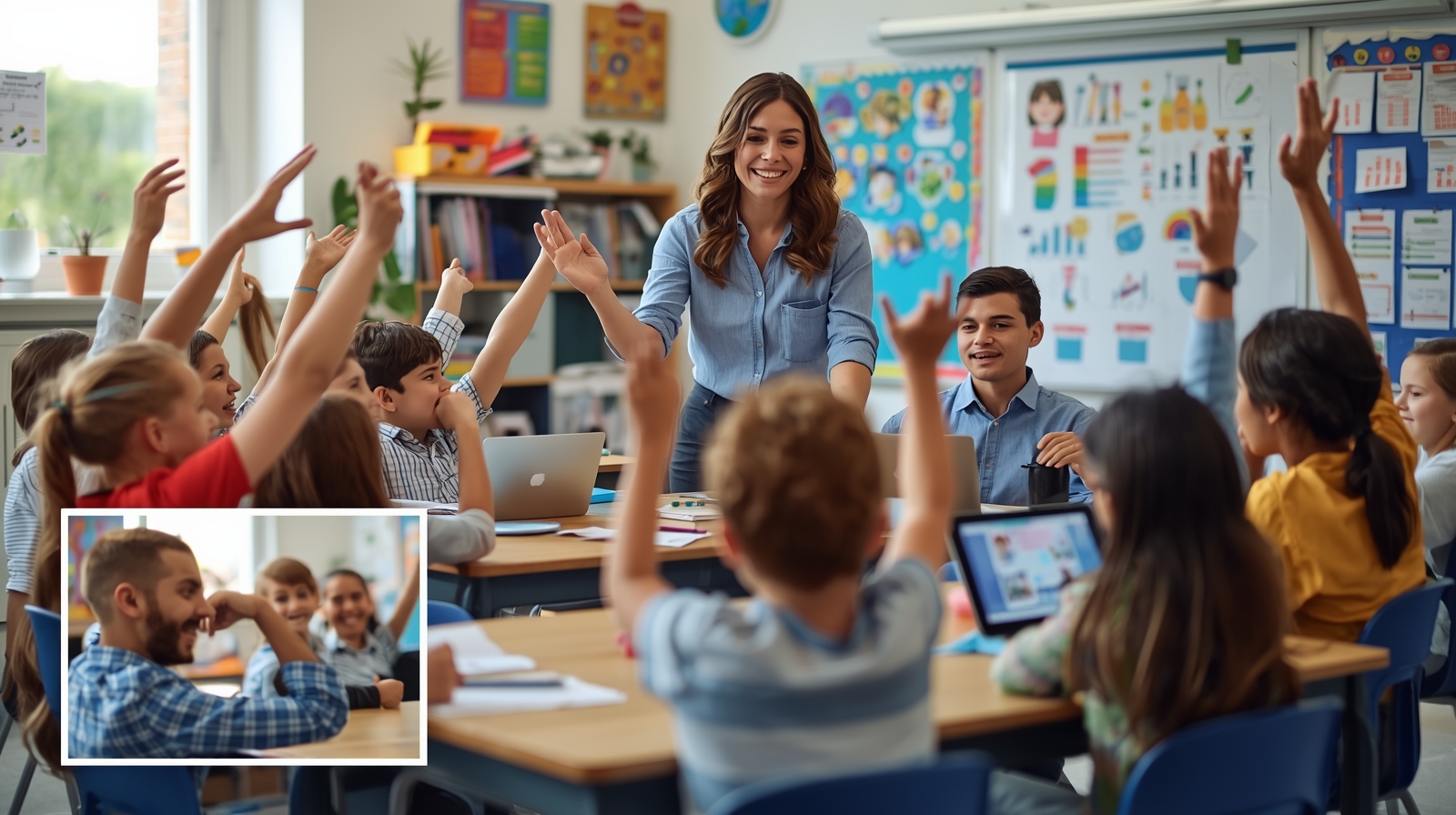
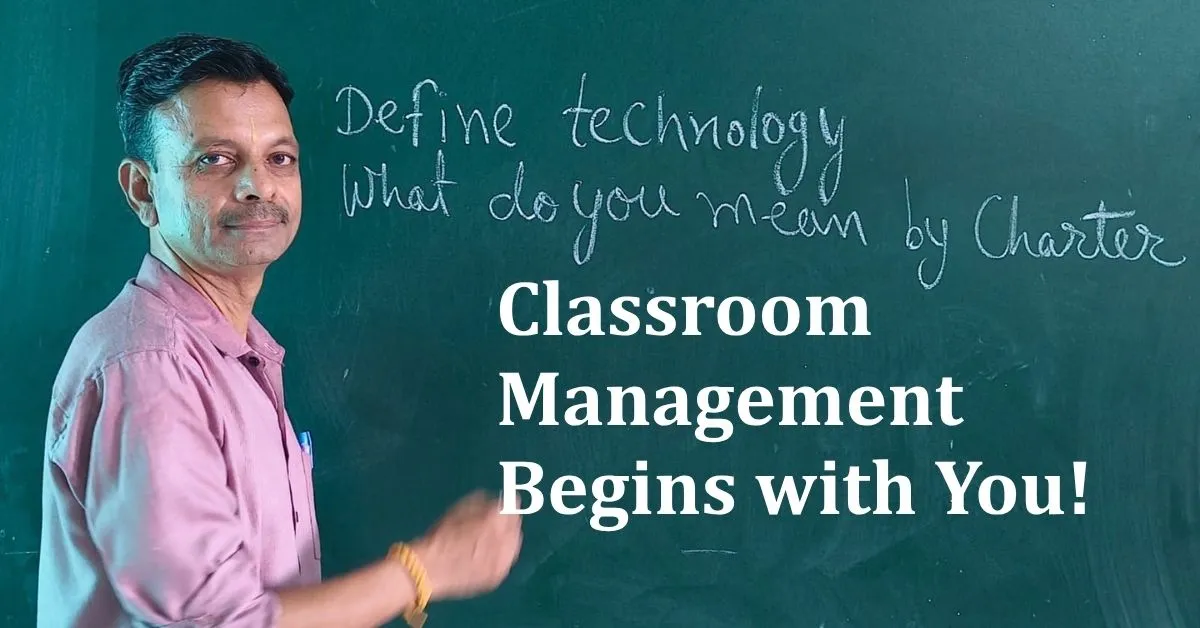
What is classroom management?
Classroom management refers to all the positive behaviours and decisions you make to help your students’ learning process. It includes all of the activities required to create and maintain an orderly learning environment, such as material planning, preparation, and classroom organisation.
Classroom management is much more than maintaining silence or asking students to follow your rules. It will create an environment where your students feel safe, respected, motivated, and ready to learn.
As a teacher, your daily decisions and positive behaviours play an important role in the learning process. It establishes routines and rules in the classroom. Classroom disciplinary issues have a significant impact on the effectiveness of your teaching and the learning of your students. Effective classroom management needs a great deal of patience, appropriate timing, and the establishment of limited boundaries.
The following describes the objectives of classroom management.
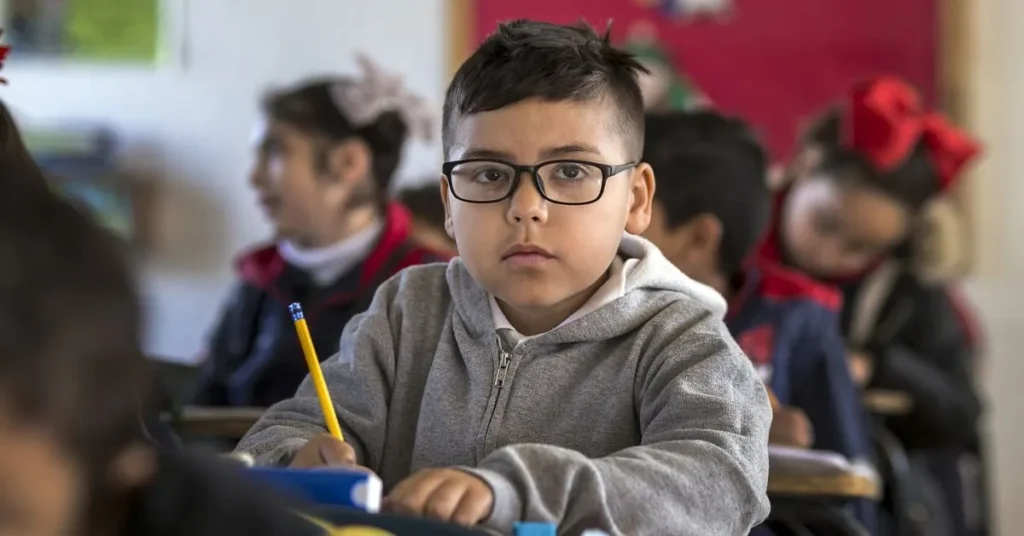
1. Your Classroom Can Inspire Every Student to Learn
Your first objective should create a classroom where students want to learn. Effective classroom management helps you maintain students’ interest, engagement, and motivation. A clean and organised classroom can make students feel comfortable and ready to participate.
For example, instead of beginning every class with instructions about what students should not do, you can begin with a question, a short activity, or an interesting thought. This immediately creates a positive learning atmosphere. You can create a positive classroom through your daily actions. It does not happen by chance.
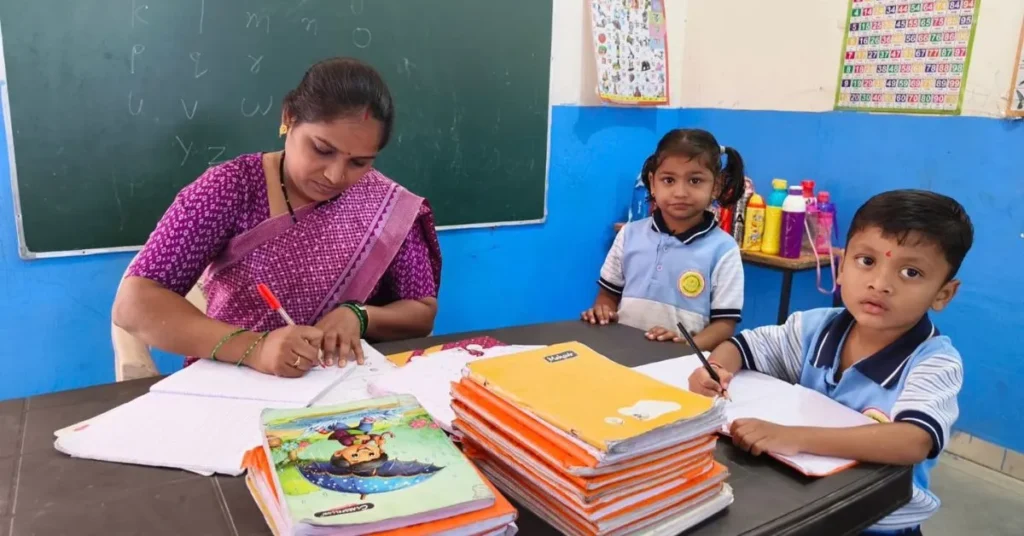
2. Your Support Can Make Your Students Better Learners
Good classroom management directly supports the academic success of your students. You can help them to achieve more and more by setting powerful expectations and communicating what you expect from them.
You should encourage your students regularly. You can appreciate their efforts, promote positive study groups, and set simple classroom rules. Your good communication with parents can also help you create common expectations for learning and behaviour.
For example, you can say to a child, “I can see that you are improving. Keep working,” can give a powerful motivation that child the confidence to try again. Your encouragement can sometimes become a student’s motivation to succeed.

3. Make Your Classroom a Safe Place for Learning and Growing
All students should feel safe, comfortable and respected in your classroom. Your students should be able to ask questions, share academic problems and learn from each other without fear. Rules and routines can help students feel comfortable enough to do intellectual work in the classroom. It gives a platform for students to interact with each other.
For example, when students know when to speak, how to ask questions and how to work together, they can focus more effectively on learning. Your classroom should be somewhere students learn from you but also from each other.
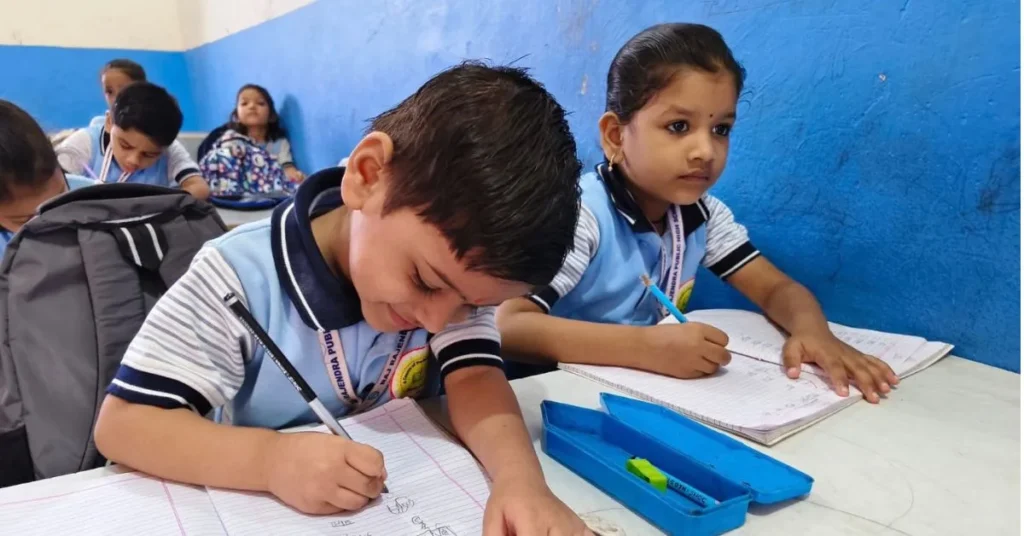
Build Your Classroom with Clear Rules and Positive Discipline
Rules and routines provide structure for learning. They help your students understand what is expected and encourage respect, tolerance, and positive discipline.
Your classroom rules can cover simple and important behaviours—sharing materials, raising hands before speaking, using polite language, keeping the classroom clean and neat, and completing classwork and homework on time. Rules lead to self-control also. It is a basic quality of leadership. However, you should apply rules consistently, patiently, and fairly.
A well-managed classroom is not a controlled classroom. It’s a classroom where every student gets a better opportunity to learn, participate, and grow.

Conclusion
Finally, classroom management is a system to create the right conditions for learning, respect, and discipline. Your patience, consistency, encouragement, and positive attitude can make a lasting difference in your students’ classroom experience.
Your classroom is more than a place where lessons are taught. You can change your classroom into a place where attitudes are shaped, confidence is built, and futures begin. You should inspire your students to become their best.
You may like to Read:- Good Teachers Teach; Great Teachers Connect
A Great Principal Begins with Self-Leadership
School Leadership: How Principals Shape the Future of Education