
Introduction – Two Problems, One Educational Responsibility
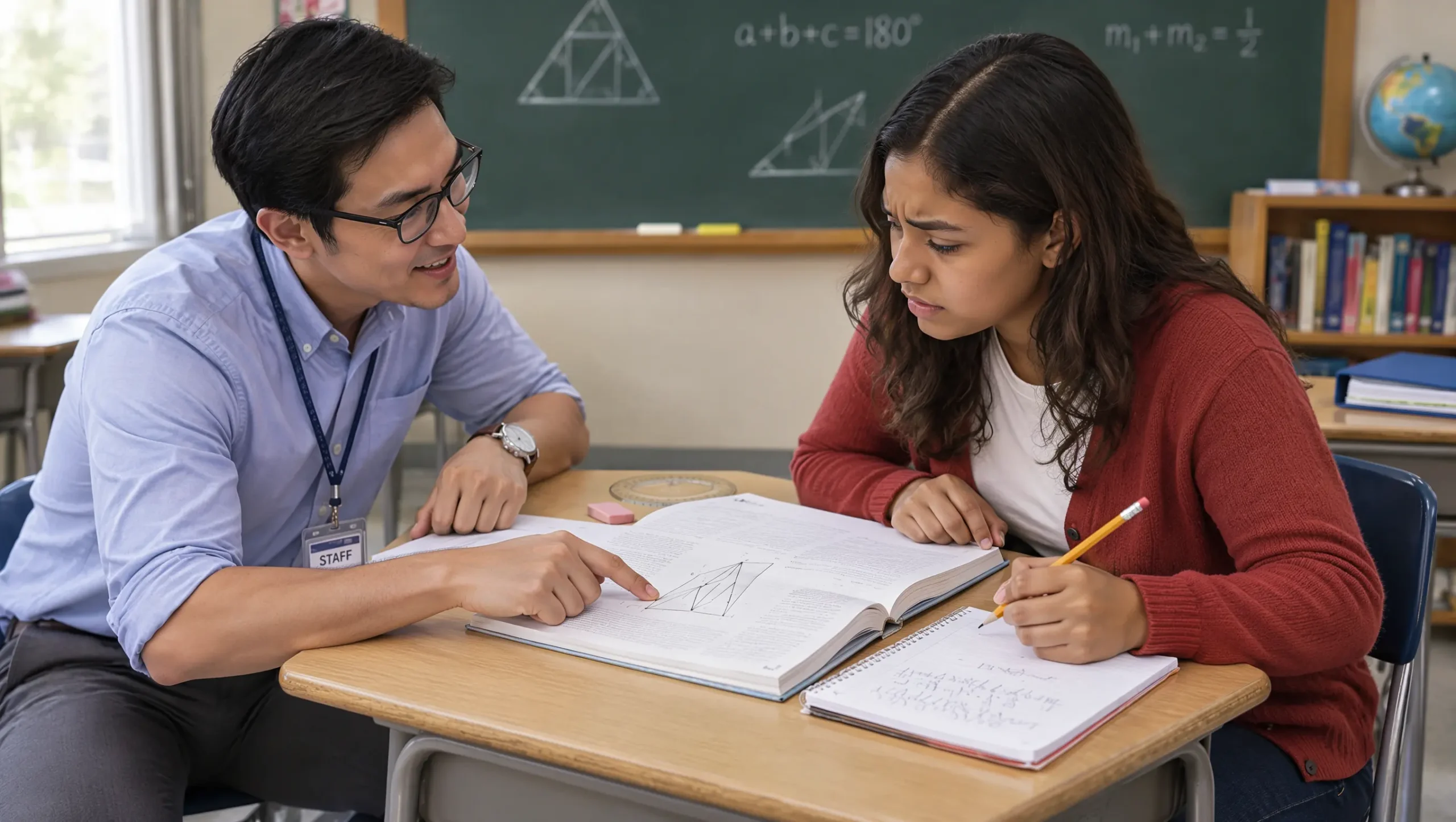
Imagine two students in your classroom. The first student misses school frequently. Whenever the child returns, lessons have moved forward, classmates have completed assignments, and new concepts have been introduced. The second student attends school regularly but sits quietly, avoids questions, leaves activities unfinished and repeatedly says, “I cannot do it.” Although their situations appear different, both students face a serious challenge: their connection with learning is becoming weaker.
These situations represent two important educational concerns: chronic absenteeism and declining student motivation. The first affects the continuity of learning, while the second affects a student’s willingness to participate in it. As a teacher, you may notice that both problems gradually influence classroom performance, confidence and academic progress. A student who misses lessons may lose confidence because of unfinished work. Another who repeatedly experiences failure may begin avoiding classroom activities and eventually lose interest in attending school.
According to the OECD’s 2026 report, Every Day Counts, attendance problems can affect academic achievement, motivation, social development and student well-being. The report highlights the importance of understanding the different circumstances behind school absence rather than treating every case in the same way.
Your responsibility, therefore, extends beyond recording attendance and completing the syllabus. You must create an environment where students want to attend, feel capable of learning and receive suitable support when they fall behind.
Understand the Chronic Absenteeism Crisis
Why Missing One Out of Every Five Days Matters
You should consider a student who misses one out of every five school days. If your school has 200 instructional days, that student misses approximately 40 days of classroom learning. This represents 20% of the available instructional time. Can a student maintain the same learning progress when so many classroom experiences are missed?
Every lesson builds on previous learning. When students miss an important concept in mathematics, they may struggle with the next chapter. When they miss English reading practice, their vocabulary, comprehension and confidence may develop more slowly. In science and social studies, missing explanations, discussions, demonstrations and practical activities can create gaps that are difficult to recognise immediately.
The problem is not limited to textbooks or examinations. Students also miss opportunities to interact with classmates, participate in group activities, develop communication skills and receive immediate guidance from teachers. Over time, returning to school can become increasingly uncomfortable because the student feels disconnected from the classroom.
The OECD’s 2026 report highlights the academic consequences of prolonged absence. Across OECD countries, students who reported missing three or more consecutive months of schooling had lower mathematics scores than comparable students without such long absences, even after accounting for selected background characteristics.
This reminds us that every school day offers a learning opportunity that cannot always be recreated later.
Identifying the Reasons Behind Repeated Absences
Before deciding how to address absenteeism, you must understand why students are missing school. A student may be absent because of illness, transport difficulties, family responsibilities, financial challenges, bullying, anxiety, academic difficulties or a lack of interest in school activities. Some students may also experience difficulties with school routines or relationships with classmates.
Imagine that a student has been absent every Monday for several weeks. Simply marking the child absent and informing the parents may not solve the problem. You need to investigate the pattern through a respectful conversation. Perhaps the child has a transport problem, experiences anxiety about a particular subject or faces responsibilities at home.
Avoid assuming that every frequently absent student is careless or that every parent is uninterested in education. Such assumptions can damage relationships and prevent schools from discovering the real barriers.
Start with three simple questions:
- Is there a particular pattern in the student’s absences?
- What circumstances are preventing regular attendance?
- What support can the school reasonably provide?
Your first objective should be understanding, followed by appropriate action. When students and parents feel that the school genuinely wants to help, they are more likely to communicate openly.

Build an Early Attendance Monitoring System
You do not wait until the end of the term to identify students with repeated absences. By that time, several learning opportunities may already have been lost. Your school should maintain a simple weekly attendance monitoring system that helps teachers identify emerging patterns.
Class teachers can review attendance registers regularly and identify students whose absences are becoming frequent. Instead of focusing only on the overall attendance percentage, examine consecutive absences, repeated absences on particular days and changes in attendance patterns.
For example, a student who misses two or three days occasionally because of illness requires a different response from someone who is absent almost every week.
School leaders can introduce a simple three-stage support system:
- Stage 1 – Early attention: Identify students showing repeated or increasing absences.
- Stage 2 – Parent contact: Discuss the situation with parents and understand possible barriers.
- Stage 3 – Individual support: Develop an attendance improvement and learning recovery plan.
Teachers should maintain confidential records of these discussions and review progress periodically. Avoid publicly displaying the names of frequently absent students or comparing their attendance with classmates.
Remember, an attendance register should not become merely an administrative document. It should help you recognise students who need attention before their learning gaps become serious.
Create a Learning Recovery and Catch-Up Plan
What happens when a student returns after missing five or ten instructional days? Does the child receive a long list of unfinished assignments and instructions to complete everything independently? If so, the student may feel overwhelmed and become even less interested in learning.
Instead, create a manageable learning recovery plan.
You can begin by identifying the essential concepts the student has missed. You do not need to make the child complete every classroom activity that took place during the absence. Prioritise the learning objectives that are necessary for understanding upcoming lessons.
For example, if a student misses a mathematics lesson on multiplication, provide a short explanation, a few guided examples and some practice questions before introducing division. In English, share the reading passage, important vocabulary and a brief comprehension activity.
You can also introduce a peer-support arrangement. Assign a responsible classmate to share notes, explain classroom routines and help the returning student understand important activities. However, peer support should complement teacher guidance rather than replace it.
A practical catch-up system may include:
- A weekly summary of important lessons.
- Short worksheets covering essential concepts.
- Ten to fifteen minutes of additional teacher support when feasible.
- Access to missed classroom notes or learning materials.
- A simple progress review after the student returns.
The purpose is not to punish students for being absent. It is to help them reconnect with the learning process without unnecessary pressure.
Strengthen Parent-School Communication
Regular attendance requires cooperation between the school and the family. However, communication should not happen only when a student is absent or performs poorly.
Develop a positive relationship with parents through regular conversations, appreciation and timely updates. When you notice repeated absences, contact the family politely and ask whether any support is required.
Instead of saying, “Your child never attends school regularly,” try saying, “We have noticed that your child has missed several school days. We want to understand if there is any difficulty and explore how we can help.”
The difference in communication is important. One statement sounds accusatory, while the other invites cooperation.
Schools can use appropriate communication channels such as phone calls, parent meetings or authorised messaging groups. Share attendance information privately and maintain professional boundaries.
Most importantly, help parents understand how regular attendance supports reading, writing, classroom participation and examination preparation. Encourage them to inform the school when a child cannot attend and to seek assistance when transport, family or other practical difficulties arise.
A strong parent-school partnership can turn attendance monitoring into meaningful student support.
Recognising Learned Helplessness in the Classroom
Have you ever taught a student who refuses to attempt even a simple question? You explain the concept, provide examples and encourage participation, but the student responds, “I don’t know,” “I cannot do it” or “I am not good at studies.”
Sometimes, the problem is not a lack of ability. The student may have experienced repeated academic difficulties and gradually developed the belief that personal effort will not change the outcome.
This pattern is commonly associated with learned helplessness.
In a classroom, learned helplessness may appear in different ways. Students may avoid difficult tasks, stop asking questions, depend excessively on others, leave assignments incomplete or show little interest in improvement. Some may remain silent even when they know the answer because they fear making mistakes.
Think about a child who has repeatedly received low marks in mathematics. If every examination becomes another experience of disappointment, the child may eventually stop trying. The student begins to think, “Why should I study when I always get low marks?”
Repeated criticism, unfavourable comparisons, unrealistic expectations and a lack of meaningful encouragement can contribute to this pattern. However, you should not automatically label every quiet or unmotivated student as helpless. Academic gaps, language difficulties, emotional concerns, learning differences and other circumstances may also affect participation.
Your first task is to understand the student. Your next task is to help the child experience small but genuine successes.

Understanding the Three Needs Behind Intrinsic Motivation
How can you make students interested in learning without depending entirely on rewards, marks or punishment?
Educational psychology offers a useful perspective through Self-Determination Theory, which highlights three basic psychological needs associated with motivation: autonomy, competence and relatedness.
A 2024 systematic review and meta-analysis published in Learning and Motivation examined 36 educational interventions involving 11,792 participants. The findings supported the importance of autonomy and competence, with evidence that these interventions could improve intrinsic motivation.
Let’s understand how you can apply these ideas.
1. Autonomy – Give students meaningful choices.
Students feel more involved when they have some control over their learning. You can allow them to choose between two reading passages, select a project topic or decide whether to demonstrate their understanding through a written answer or a short presentation.
You do not need to give students complete freedom over every classroom activity. Even small choices can make learning feel more personally meaningful.
2. Competence – Help students experience success.
Students need to feel that they can improve through practice and effort. If a task is too difficult, they may become discouraged. If it is too easy, they may lose interest.
Break challenging activities into manageable steps. Explain concepts clearly, provide guided practice and gradually increase the level of difficulty. When students notice their improvement, their confidence begins to grow.
3. Relatedness – Make students feel connected.
Children are more willing to participate when they feel respected, accepted and supported. Learn their names, listen to their concerns, appreciate their contributions and create opportunities for positive interaction.
A student who feels valued in your classroom is more likely to develop a positive relationship with learning.
Practical Strategies to Rebuild Student Confidence
Use Small Wins to Rebuild Confidence
Do not expect a student who has experienced repeated failure to become confident overnight. Confidence develops through repeated experiences of success.
Suppose a student struggles to read a paragraph in English. Asking the child to read a complete page independently may create unnecessary pressure. Instead, begin with a few familiar words, then short sentences and gradually move towards paragraphs.
Celebrate genuine progress. If the student reads five words correctly today after struggling with two yesterday, acknowledge the improvement.
You can apply the same approach in mathematics, writing, science and other subjects. Divide a difficult assignment into smaller tasks and help students complete one step at a time.
Introduce a weekly personal progress record. Students can write down one skill they have improved, one task they have completed independently and one area they want to practise next.
Avoid comparing their progress with that of high-performing classmates. Compare the student’s present achievement with their previous performance.
A small success today can become the confidence needed for a bigger challenge tomorrow.
Give Students Ownership of Their Learning
A classroom becomes more engaging when students actively participate instead of simply receiving instructions.
Try introducing short activities that encourage thinking, discussion and decision-making. Ask students to explain an answer, suggest examples, work in pairs or create questions related to the lesson.
For instance, after teaching a science concept, ask students to identify where they can observe that concept in everyday life. During an English lesson, invite them to create a short conversation using newly learned vocabulary.
You can also introduce simple weekly learning goals. Ask students to identify one achievable target, such as reading a paragraph fluently, solving five mathematics problems independently or completing written work on time.
Review these goals at the end of the week. Discuss what went well and what requires further practice.
When students take responsibility for setting and reviewing their goals, they begin to see themselves as active participants in education.
Your classroom should not make students feel that learning happens only when the teacher speaks. Give them opportunities to think, question, explore and contribute.
Replace Negative Feedback with Constructive Guidance
Words can influence how students see their abilities. Consider the difference between these two statements:
“You are careless. You never complete your work.”
“You have missed some questions. Let’s understand where you went wrong and improve them together.”
The first statement criticises the student, while the second focuses on the task and offers a way forward.
Avoid labels such as lazy, weak, hopeless or incapable. Such words can damage confidence, particularly when students hear them repeatedly.
Instead of praising only marks, recognise effort, improvement, persistence and effective learning strategies. Tell students exactly what they have done well.
For example:
- “You checked your answers carefully today.”
- “You attempted a difficult question independently.”
- “Your reading has become clearer this week.”
- “You asked a thoughtful question during the lesson.”
Constructive feedback should also include clear guidance about the next step. Students need to know not only what they have done incorrectly but also how they can improve.
Create a classroom where mistakes are treated as opportunities to learn rather than reasons for embarrassment.
Creating a School Culture of Attendance and Engagement
The Role of Teachers and School Leaders
Student attendance and motivation should not become the responsibility of individual class teachers alone. School leaders must develop a shared approach that connects attendance monitoring, classroom teaching, parent communication and student support.
Begin by reviewing your school’s attendance patterns. Identify classes or student groups that require additional attention. Discuss possible barriers with teachers and develop practical responses.
Encourage teachers to maintain positive classroom relationships, provide timely feedback and identify students who are gradually withdrawing from classroom participation.
School leaders should also review whether school routines, teaching practices, classroom environments and disciplinary approaches are contributing to disengagement.
Avoid making attendance improvement dependent entirely on prizes or public competitions. Recognition can be useful, but it should not disadvantage children who have genuine health or family-related difficulties.
Instead, celebrate improvement, support regular attendance and recognise students who make sincere efforts to reconnect with school.
Most importantly, establish a school culture in which students feel safe asking questions, admitting difficulties and seeking help.
Monitor Progress, Not Just Marks
Examination results provide important information, but they do not tell the complete story of a student’s development.
A child may improve attendance without showing immediate academic improvement. Another student may begin participating more actively before examination marks increase. These early signs deserve attention.
Therefore, monitor different indicators of progress, including attendance patterns, classroom participation, assignment completion, reading development, confidence and willingness to attempt challenging tasks.
Arrange periodic discussions between class teachers, parents and school leaders when students require additional support. Review the strategies being used and make adjustments where necessary.
For example, if a student has improved attendance but continues to struggle with mathematics, the next step may be targeted academic support rather than additional attendance reminders.
Similarly, if a student completes assignments but avoids speaking in class, provide opportunities for low-pressure participation through pair discussions and small-group activities.
The objective is to understand the whole learner rather than judge progress through a single examination score.
Conclusion
A student who misses school regularly needs more than an attendance warning. A student who has stopped believing in personal abilities needs more than another instruction to work harder.
Both need understanding, encouragement and a practical opportunity to move forward.
As a teacher, you can identify learning gaps, provide additional support, appreciate improvement and build positive classroom relationships. As a school leader, you can establish systems that help teachers recognise difficulties early and work together with parents.
Remember these two important principles: Attendance creates opportunities for learning, while motivation encourages students to use those opportunities.
You may not be able to remove every challenge in a child’s life, but you can make your classroom a place where returning after an absence feels comfortable and trying again feels worthwhile.
Sometimes, the most important achievement of a school is not simply helping a student score higher marks. It is helping that student believe in the possibility of learning again.
Notice the absent student. Encourage the student who has stopped trying. Celebrate the student who makes progress. Every child deserves another opportunity to succeed.
Frequently Asked Questions (FAQs)
1. What is chronic absenteeism in schools?
Chronic absenteeism generally refers to missing 10% or more of the available school days or instructional sessions during an academic year. It can affect academic progress, classroom participation and students’ connection with school. Schools should monitor attendance regularly and investigate the reasons behind repeated absences.
2. How can teachers support students who frequently miss school?
Teachers can provide essential lesson summaries, short catch-up worksheets, peer-learning support and additional explanations. They should prioritise important learning objectives rather than overwhelming returning students with all missed assignments. Regular communication with parents is also important.
3. What is learned helplessness in education?
Learned helplessness occurs when students develop the belief that their efforts will not improve their outcomes, often after repeated experiences of failure or perceived lack of control. They may avoid challenging activities, stop participating or express that they cannot learn. Teachers can help by providing achievable tasks, constructive feedback and opportunities for genuine success.
4. How can teachers improve intrinsic motivation among students?
Teachers can support intrinsic motivation by offering meaningful choices, providing achievable challenges, recognising progress and creating positive classroom relationships. Students should feel that they have some ownership of learning and can develop their abilities through practice.
5. What is the role of school leaders in improving student attendance and motivation?
School leaders should establish effective attendance monitoring, support teachers in identifying disengaged students, encourage positive parent-school partnerships and arrange appropriate academic interventions. They should also create a school environment where students feel welcomed, respected and encouraged to participate.
References and Further Reading
- OECD (2026). Every Day Counts: Understanding, Preventing and Responding to School Attendance Problems.
- Wang, Y. et al. (2024). A systematic review and meta-analysis of self-determination-theory-based interventions in the education context. Learning and Motivation.
- Howard, J. L. et al. (2024). Need Support and Need Thwarting: A Meta-Analysis of Autonomy, Competence, and Relatedness Supportive and Thwarting Behaviors in Student Populations.
You may like to read:-
- Student Absenteeism & Motivation: Practical Strategies
- UNESCO Report 2026: Gender Equality in Education and Early Marriage
- UDISE+ 2024–25 Report: Indian School Education and Its Future
- 10 Things That Can Quietly Damage a School’s Reputation
- Who Takes Care of Teachers? Teacher Well-being and School Leadership
Quite educative n essential n effective information for we like Principal….who are striving n struggling for the betterment of Schools…
Your suggestion is our energy.
I am a teacher.so your article is very useful for me.
I will like to know about how a principal can really manage an institution well


Educational & Management Expert, Accredited Teacher & Soft Skills trainer,Certified Counselor,Writer, and Author
There are important techniques to practice for all educators. Appreciate for sharing it.