Introduction
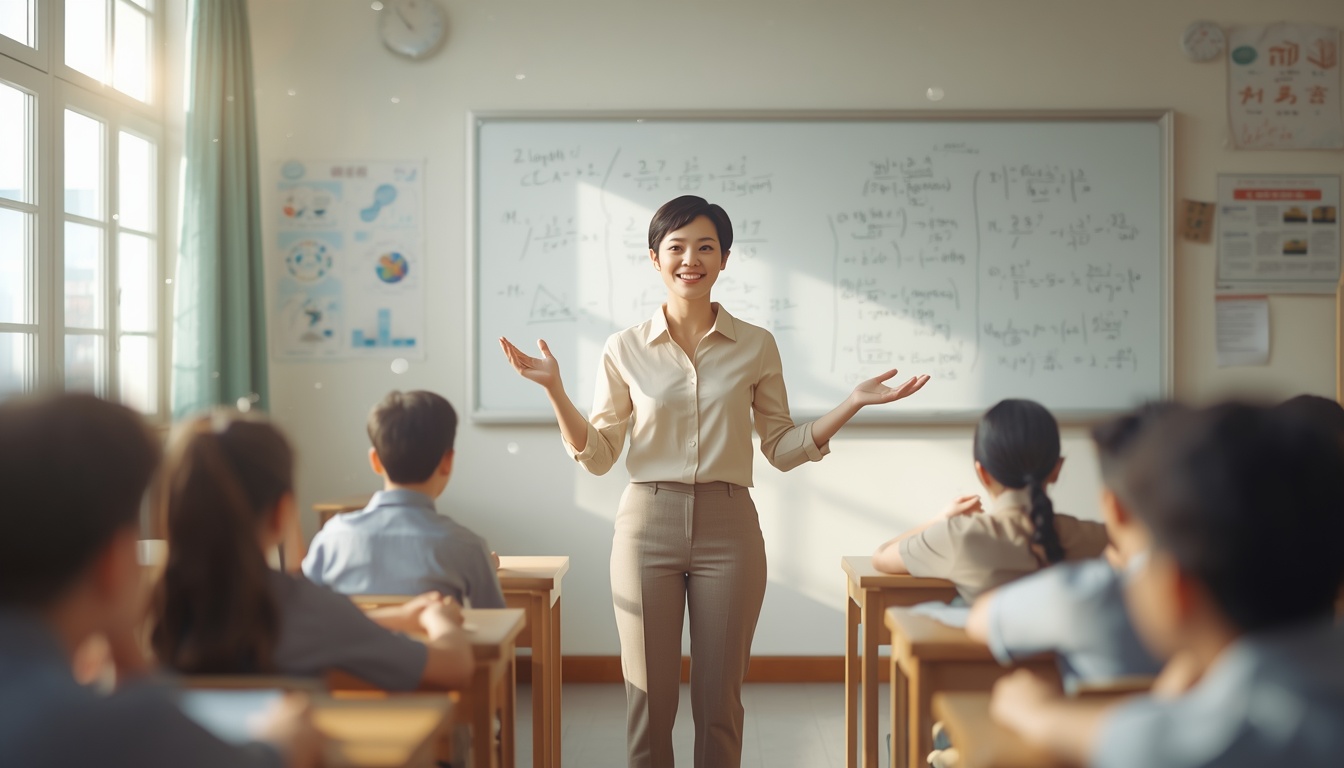
Effective communication with your students creates a positive learning environment and contributes to their success. When you have strong communication skills, you can make meaningful relationships with your students, parents, other teachers, school staff, and management.
As a teacher, you need to communicate effectively not only with your students but also with everyone who is part of your school community. Your communication skills help you understand your students better, make positive relationships, solve problems, and manage your classroom effectively. Communication skills are therefore essential for the success in your profession.
Effective communication improves your relationships, increases understanding, and makes positive interactions. Successful teaching requires not only subject knowledge but also the ability to communicate that knowledge effectively. You need to be skilled in different modes of communication, including listening, speaking, reading, and writing.
In this article, we will discuss the importance of effective communication skills in your teaching profession.

1. Interaction with Your Students
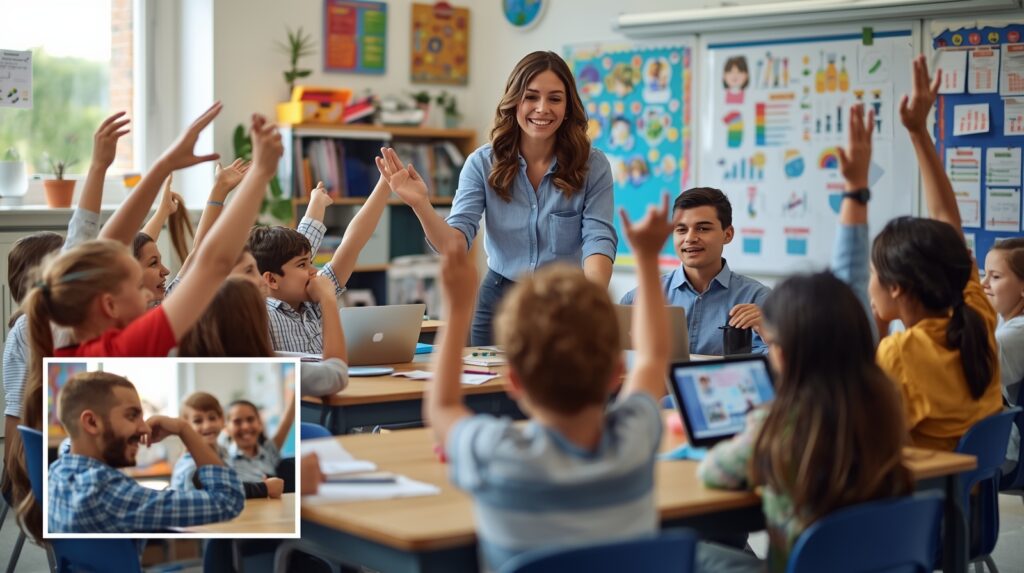
Your communication skills are essential for interacting with your students and giving information clearly. When you communicate effectively, you can motivate your students to learn, make supportive relationships, encourage their growth, manage your classroom effectively, and create a safe and supportive learning environment.
When you listen to your students patiently and communicate with them respectfully, you understand their needs, feelings, strengths, and challenges. Your positive communication can encourage students to participate actively in learning and make better academic progress.
2. Interaction with Parents
You should be able to communicate effectively with parents through phone calls, emails, face-to-face meetings, WhatsApp Messages, letters, and other appropriate methods. You need to be confident in both verbal and written communication.
You should avoid making parents feel confused, worried, or uncomfortable. You can explain the situation patiently and suggest practical ways to support the child.
Good communication with parents helps you develop trust and work together for the educational and personal development of their child.
3. Interaction with Other Teachers
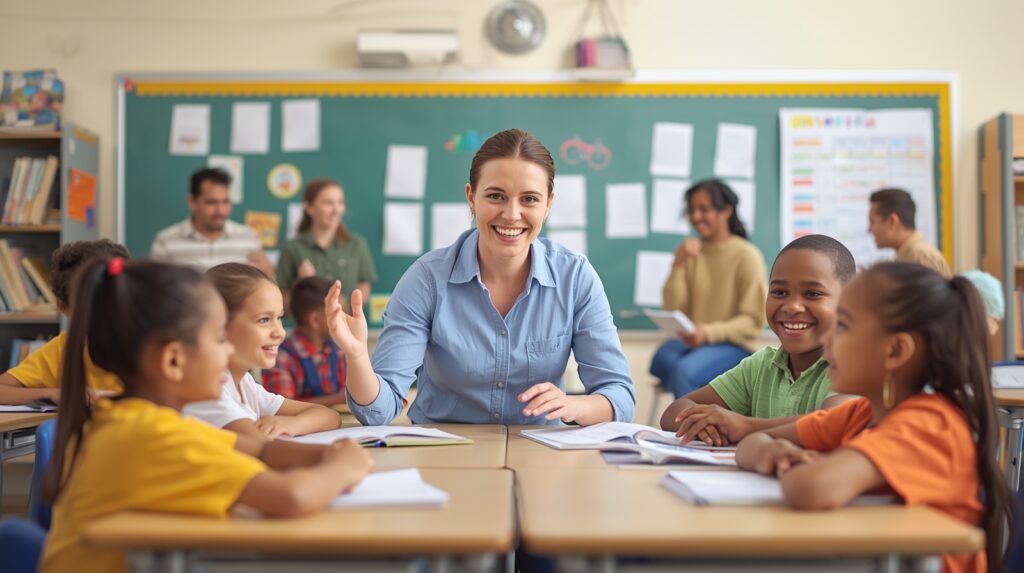
Your school is a professional learning community where you work and learn together with other teachers. You need to communicate with other teachers while planning lessons, discussing students’ progress, addressing classroom challenges, and organizing extracurricular activities.
Your communication skills are especially useful during staff meetings, training sessions, school programmes, and professional discussions. When you share your ideas clearly and listen to the ideas of others, you contribute to better teamwork and a more positive professional environment.
4. Interaction with the Principal
You may regularly communicate with the principal regarding academic matters, student progress, classroom challenges, school activities, and your professional responsibilities.
Your clear, respectful, and professional communication helps you share your ideas, concerns, and suggestions effectively. You should listen carefully to instructions, seek clarification when necessary, and provide suitable feedback.
Good communication with your principal creates mutual understanding, strengthens teamwork, and contributes to the smooth functioning of your school.
5. Interaction with Members of Teachers’ Associations and Groups
You may become part of teachers’ associations, academic groups, professional networks, and online educational communities. These platforms provide opportunities for you to share your ideas, share experiences, discuss educational challenges, and learn new teaching practices.
Your positive interaction with professional groups can encourage collaboration, continuous learning, and professional growth.
6. Interaction with Helping Staff
Your school functions successfully when you work respectfully with all members of the support staff, including office staff, attendants, drivers, hostel staff, security personnel, and other helping staff.
You should communicate your requirements clearly and treat every staff member with dignity and respect. Your friendly and respectful communication creates cooperation and a positive working atmosphere.
Conclusion
Finally, communication is one of the most important qualities you can develop as a teacher. Good communication helps you connect with your students, understand their needs, work effectively with parents and teachers, and maintain positive relationships with your principal, management, and support staff. Great teaching begins with knowledge, but great learning grows through effective communication.
You may like to read: A Great Principal Begins with Self-Leadership
School Leadership: How Principals Shape the Future of Education