
Introduction
Have you ever looked at your students and thought, “Why are they so different from the students I taught a few years ago?” Sometimes you may think, “Students were not like this when I was a student.”
You are right. The world has changed. And our students have changed with it.
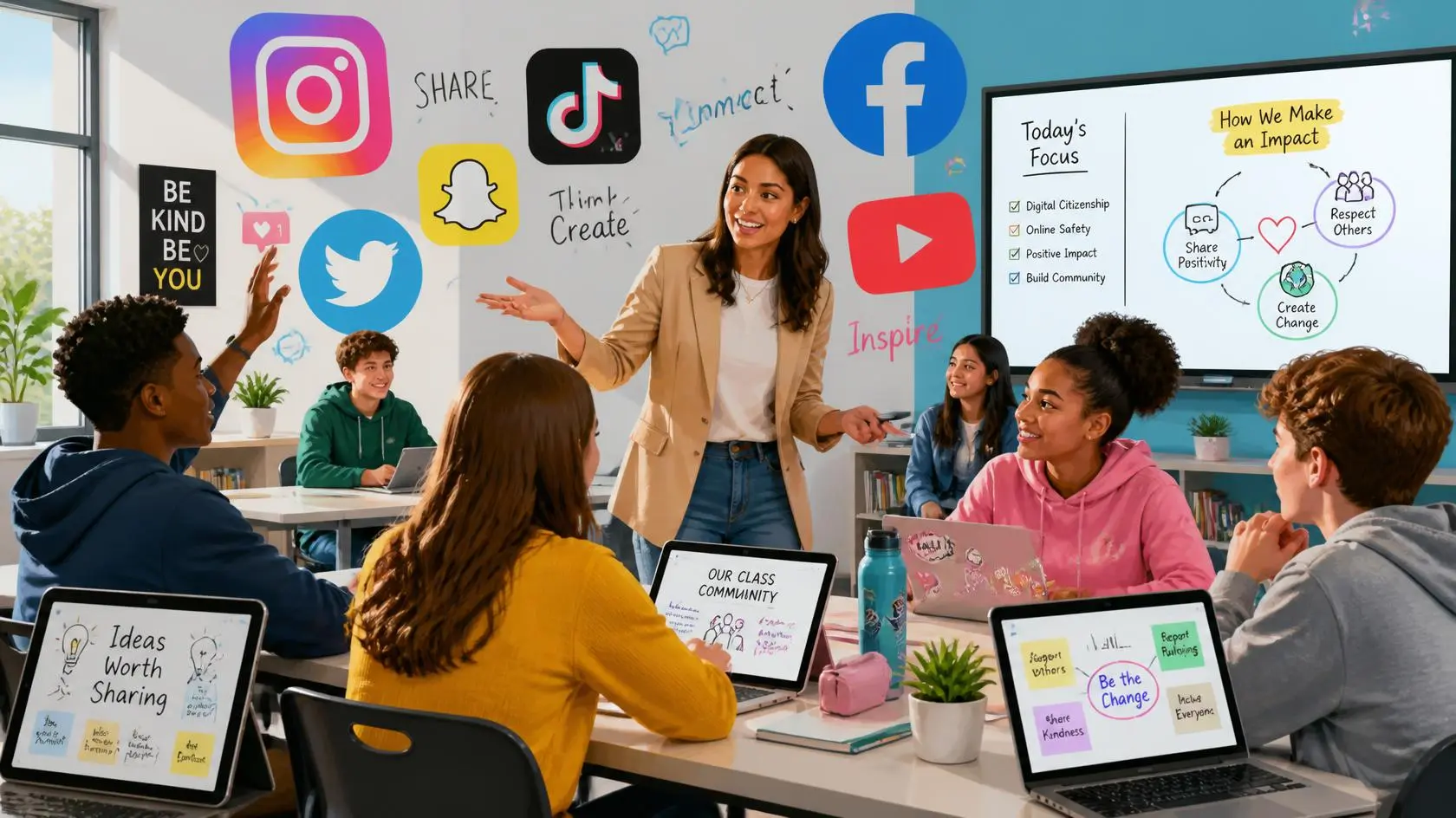
Now your students are growing up in a world of smartphones, social media, instant information, artificial intelligence, short videos, and constant digital connection. They learn differently, communicate differently, and sometimes even respond differently to teachers.
But one thing has not changed. They still need teachers.
The question is, what has changed, and how should we respond?
Here, we will discuss 7 things every teacher should understand about teaching Gen Z students.
1. They Expect Learning to Be Interesting
You know, Gen Z students are surrounded by engaging content every day. They are used to videos, animations, images, and interactive platforms.
This does not mean every lesson need technology. It means your teaching should create curiosity.
Instead of explaining a concept, you can ask a question, tell a short story, show a real-life example, or involve students in an activity. If you can make them curious, you can make them learn.
2. They Want to Know “Why”
Your students today often ask, “Why do we need to learn this?” Don’t take this as disrespect.
They want to connect learning with real life. When you explain how mathematics, science, language, or social studies is useful outside the classroom, the lesson becomes more meaningful.
3. They Expect a Teacher Who Listens
Gen Z students want their opinions to be heard. They may question ideas, express different opinions, or ask difficult questions. Instead of immediately saying, “Don’t argue,” try saying, “Tell me why you think so.”
You just need to understand that a classroom where students can speak respectfully becomes a classroom where they learn to think.
4. They Prefer Interaction Over Long Lectures
Students can listen, but they also want to participate. You should ask questions and conduct discussions. You can give them small tasks. You should allow them to explain an idea to their classmates. When students become part of the lesson, they stop being passive listeners and become active learners.
5. They Need Quick and Meaningful Feedback
Students today are used to getting information quickly. They also want to know how they are doing. Instead of simply writing “Wrong” or “Improve,” tell them what they did well and what they can do better. A simple “Good attempt—now work on this part” can be more powerful than a long correction.
6. They Need Understanding, Not Just Discipline
Yes, discipline is important. But shouting is not the only way to create discipline. Gen Z students respond better when they understand the reason behind a rule.
You should be firm but remain respectful. You can set clear expectations and explain them. You can correct behaviour without humiliating the student. The truth is that discipline becomes stronger when it is built on mutual respect.

7. They Still Need a Teacher Who Cares
Now, technology has changed. Learning resources have changed. Students have changed. But their need for human connection has not changed. Behind the screen-loving, fast-moving Gen Z student is a young person who wants encouragement, recognition, guidance, and someone who believes in them.
You don’t have to become a Gen Z teacher. You have to become a teacher who understands the generation you teach.
Conclusion
Teaching Gen Z students is not about changing everything you do. It is about understanding what has changed—and adapting without losing what makes teaching meaningful. You can use technology, but don’t lose connection. You can use new teaching methods, but don’t lose patience. You should encourage questions, but teach respect.
Every generation of students remembers the teacher who made them feel seen, heard, respected, and capable. Good teachers teach students. Great teachers understand the generation they teach.
FAQs
1. Who are Gen Z students?
Gen Z students are young people who have grown up with smartphones, social media, digital technology, instant information, and online communication. They often prefer interactive and engaging learning experiences.
2. How are Gen Z students different from previous generations?
Gen Z students are generally more familiar with technology and digital content. They often expect interactive learning, quick feedback, opportunities to express their opinions, and clear connections between lessons and real life.
3. How can teachers engage Gen Z students in the classroom?
Teachers can use real-life examples, discussions, activities, questions, visual resources, and appropriate technology. The goal is not to use technology in every lesson but to make learning meaningful and engaging.
4. Do Gen Z students still need traditional teachers?
Yes. Although technology provides information and learning resources, students still need teachers for guidance, encouragement, emotional support, discipline, critical thinking, and meaningful human connection.
5. What is the best way to teach Gen Z students?
There is no single method that works for every student. Effective teachers understand their learners, encourage participation, use suitable technology, provide meaningful feedback, maintain respectful discipline, and build strong teacher-student relationships.
- Teaching Gen Z Students: What Has Changed?
- Teacher Workload and Pressure: How Teachers Can Work Smarter
- Students Are Losing Interest in Learning; What Can Teachers Do?
- How to Become a Well-Prepared Teacher: 8 Practical Strategies
- Good Teachers Give Knowledge; Great Teachers Create Curiosity
Hello Sir, This is a powerful and so meaningful message. As head of a secondary school, this is a philosophy…
We will follow it…
Thank you very much for you advice that gave an important information towards good teacher and preparation of lesson plan.…
Great article many ideas that got. I’ll apply it


Sir your content is reflected on real classroom situation.