

Have you ever wondered why some schools create enthusiastic learners while others struggle to keep students interested in their lessons? The quality of education in schools depends on what happens every day inside classrooms. If you are thinking about how to improve the quality of education in schools, start by examining your teaching practices, student engagement and school environment.
The difference is not always in infrastructure, expensive facilities or technology. It often lies in how teachers teach, how students participate and how school leaders create opportunities for learning.
Here are seven practical strategies for improving school education.
1. Make Classroom Teaching More Interactive
Students learn better when they actively participate in lessons. Move beyond continuous explanations and introduce interactive learning through discussions, group activities, demonstrations and problem-solving tasks.
Instead of asking, “Have you understood?” ask, “Can you explain this concept in your own words?”
Use effective teaching methods such as Think–Pair–Share, classroom quizzes and activity-based learning. These approaches encourage students to think independently and express their ideas confidently.
2. Invest in Teacher Training and Development
Even experienced teachers need opportunities to learn and improve. Teacher training and development should be a continuous process in every school.
Organise regular training sessions, demonstration classes, peer observations and discussions on innovative teaching practices.
Encourage teachers to share successful classroom experiences. When teachers improve their professional skills, students benefit from better learning experiences.
3. Promote Student-Centred Learning
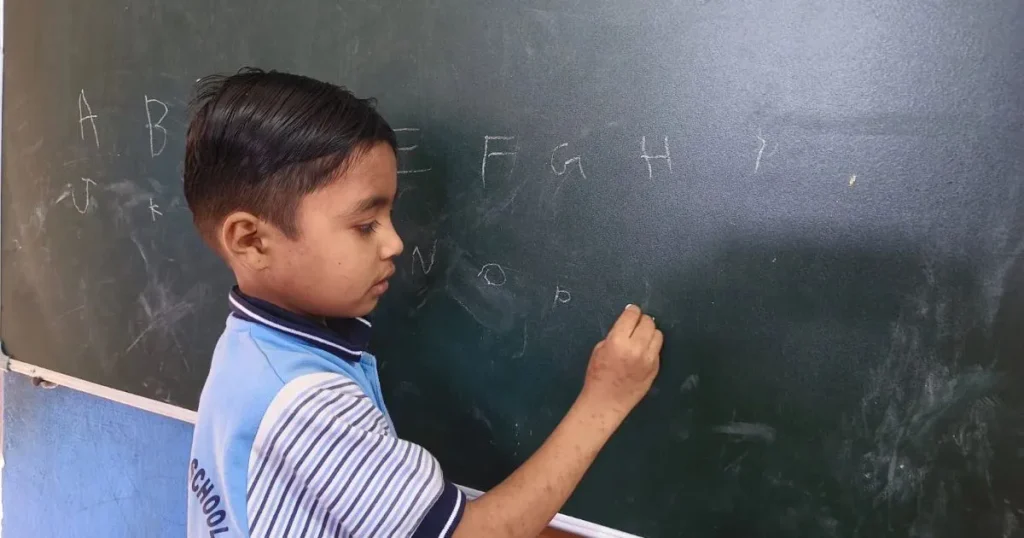
Do not make students depend entirely on teachers for every answer. Give them opportunities to explore, investigate, question and express their ideas.
Introduce project work, student presentations and collaborative activities. Student-centred learning develops confidence, independent thinking and responsibility.
Remember, teaching is not only about explaining lessons; it is also about helping students discover answers.
4. Integrate Technology into Education Meaningfully
Technology in education can make classroom learning more interesting when used with a clear learning purpose.
Use educational videos, digital quizzes, presentations and interactive learning resources. Introduce age-appropriate digital tools and encourage the responsible use of technology.
However, remember that technology should support teachers, not replace meaningful teacher-student interaction.
5. Strengthen Foundational Literacy and Numeracy
A student who cannot read a question confidently may struggle across several subjects.
Organise regular reading assessments, daily reading activities and additional academic support for students who need it.
Focus on reading, writing, comprehension and numeracy. Strong foundational skills create opportunities for students to progress confidently in their academic journey.
6. Focus on the Holistic Development of Students
Education is not limited to textbooks and examination marks. The holistic development of students should be an important objective of every school.
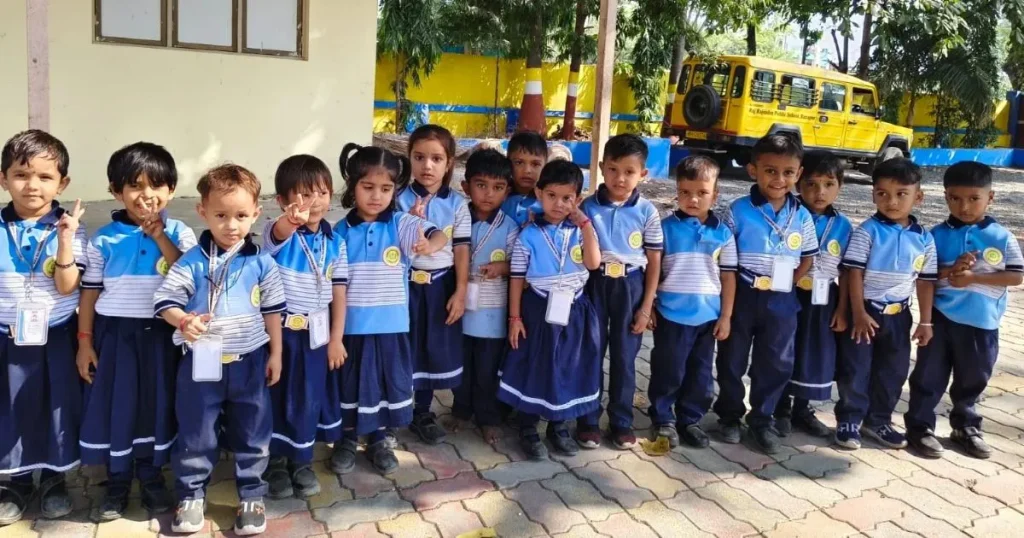
Provide opportunities for sports, arts, communication, leadership, creativity and value education.
These activities help students develop confidence, teamwork, discipline, social responsibility and essential life skills.
7. Implement Practical School Improvement Strategies
Every school needs clear goals and regular academic monitoring. Effective school improvement strategies should focus on measurable progress rather than simply introducing new activities.
Review student performance, classroom teaching, attendance, teacher development and parent feedback. Identify learning gaps and prepare practical action plans.
A principal should not simply monitor teachers; a principal should also guide, encourage and support their professional growth.
Conclusion
Improving school education is a shared responsibility. Principals must provide direction, teachers must continuously improve their practices, parents must support learning, and students must actively participate.
You do not need to change everything at once. Start with one classroom, one improvement and one meaningful action.
Quality education is not measured only by what students score in examinations, but also by what they understand, how they think and the individuals they become.
Frequently Asked Questions (FAQs)
1. How can schools improve the quality of education?
Schools can improve the quality of education through effective teaching methods, continuous teacher training, student-centred learning, technology integration, regular assessments and strong school leadership.
2. What is the role of a principal in improving the quality of education?
A principal provides academic leadership, supports teacher development, monitors classroom practices, evaluates student progress and implements effective school improvement strategies.
3. Why is teacher training important for quality education?
Teacher training helps educators develop better teaching skills, improve classroom management, adopt innovative teaching methods and respond to students’ different learning needs.
4. How does student-centred learning improve classroom education?
Student-centred learning encourages students to participate actively, ask questions, solve problems and explore new ideas. It develops independent thinking, confidence and responsibility.
5. What are the most effective strategies for school improvement?
Important school improvement strategies include strengthening foundational literacy and numeracy, improving teaching quality, using educational technology, monitoring academic progress, promoting holistic development and building strong parent-school partnerships.
You may like to read:-
- Improve Learning Outcomes in Schools:10 Simple Strategies
- How to Improve the Quality of Education in Schools: 7 Practical Strategies For School Leadership
- Why Are School Admissions Falling? 15 Practical Strategies for School Leadership
- UDISE+ 2025–26 Report: Key Findings on Indian School Education
- UNESCO Education Report 2026: Access and Equity
Quite educative n essential n effective information for we like Principal….who are striving n struggling for the betterment of Schools…
Your suggestion is our energy.
I am a teacher.so your article is very useful for me.
I will like to know about how a principal can really manage an institution well


Educational & Management Expert, Accredited Teacher & Soft Skills trainer,Certified Counselor,Writer, and Author
There are important techniques to practice for all educators. Appreciate for sharing it.