
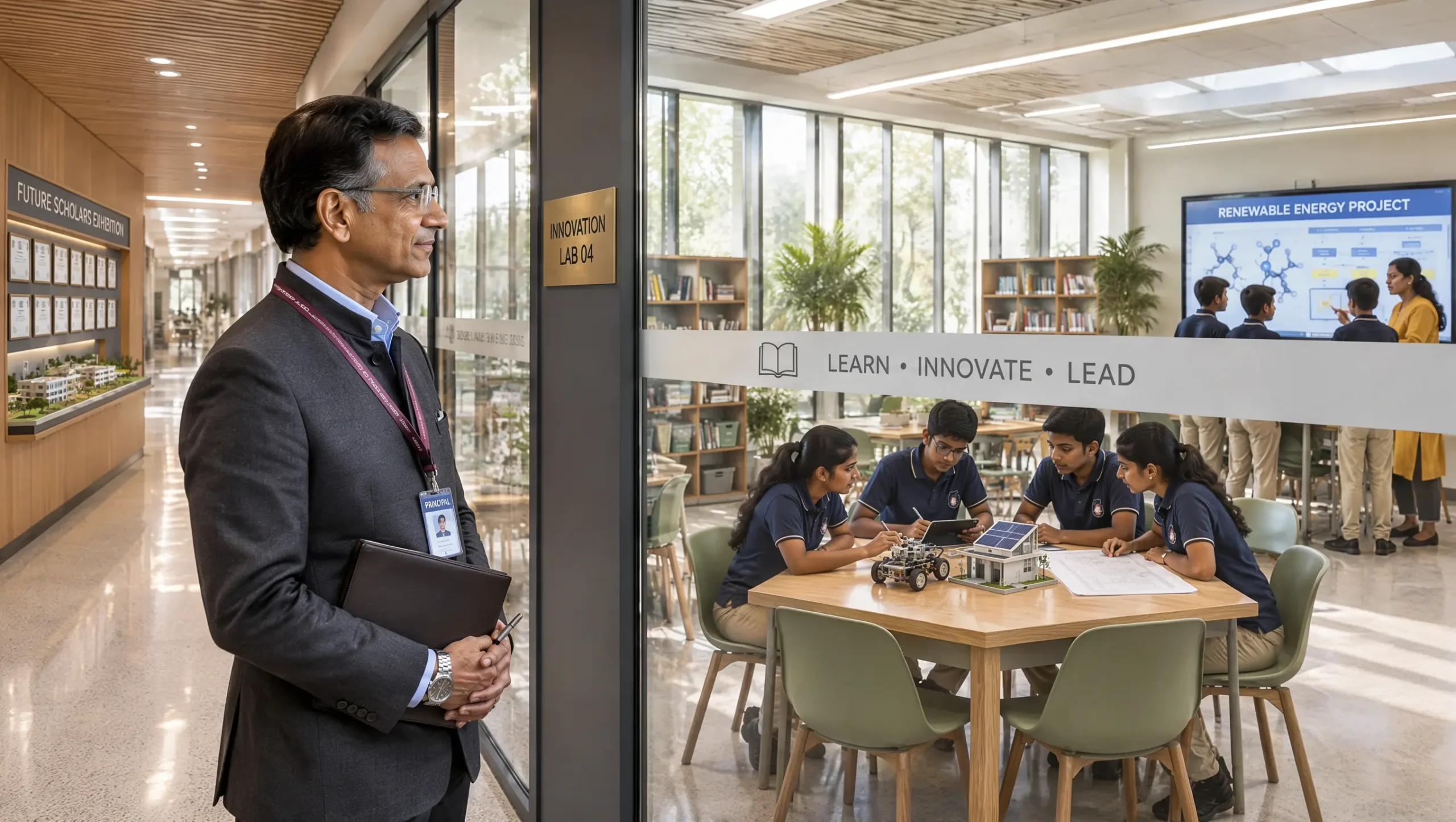
How You Can Build a Better Future for Your School
In my experience in education and school leadership, I have learned that a school does not become excellent simply because it has good buildings, modern facilities, or experienced teachers. These things are important, but something more powerful brings them together: a clear vision and the leadership to turn that vision into reality.
As a school principal, you are not merely responsible for managing daily activities, maintaining discipline, preparing timetables, or ensuring that examinations run smoothly. Your responsibility is much greater. You must help your teachers grow, improve student learning, earn parents’ trust, and prepare your school for the future.
That is where visionary leadership begins.
A visionary principal doesn’t just ask, “What do we need to do today?” They also ask, “What kind of school do we want to be tomorrow, and what must we do today to get there?”
Let us explore how you can develop this essential leadership characteristic through practical actions.
1. Develop a Clear Vision for Your School
Your school needs a direction that everyone can understand. Without a clear vision, teachers may put in a lot of effort but end up pursuing different paths.
Start with asking yourself three questions:
- What are the biggest strengths of your school?
- Which areas need the greatest improvement?
- What changes would make the most significant difference to your students?
Your vision should reflect your school’s actual needs rather than simply copying the goals of another institution.
Practical example:
Suppose many students in your primary classes struggle to read English fluently. Instead of focusing only on completing the syllabus, make reading improvement a school-wide priority. You can set a realistic target, assess students’ reading levels, provide daily practice, and review progress regularly.
Your vision becomes meaningful when it responds to a real educational need.
Your Next Step
Write a short vision statement that explains what you want your school to achieve and how students will benefit.

2. Focus on Learning, Not Just on Examination Results
Examination results are important, but they do not tell you everything about the quality of education your school provides.
A student may memorize answers and score well without developing strong communication, critical thinking, or problem-solving skills. Your vision should therefore include both academic achievement and the wider development of every learner.
You should encourage your teachers to use activity-based learning, questioning techniques, collaborative tasks, projects, and regular formative assessments.
For example, after teaching a science lesson, ask students to explain a concept in their own words, demonstrate it, or connect it to everyday life. Their responses will help you understand whether learning has actually taken place.
Try this technique:
During classroom observations, look beyond the teacher’s explanation. Notice how many students participate, how well they understand the concept, and whether they can apply what they have learned.
Your goal is not simply to finish the syllabus. It is to ensure that students learn meaningfully.
3. Make Your Teachers Partners in Your Vision
You cannot transform your school alone. Even the most inspiring principal will struggle if teachers do not understand or support the school’s direction.
Share your goals with your teachers and invite them to contribute ideas. When teachers participate in planning, they are more likely to take ownership of the improvement process.
Instead of saying, “Our school must improve its English results,” discuss the problem with your English and primary teachers. You can ask them what difficulties students face, which strategies have worked, and what support teachers need.
A practical technique
You should organize a short monthly teacher collaboration meeting. Select one challenge, discuss possible solutions, assign responsibilities, and review the results at the next meeting.
You should avoid turning every meeting into a list of instructions. Make it an opportunity for professional learning and shared problem-solving.
Remember that your teachers are not simply people who implement your vision. They should be active contributors to it.

4. Embrace Technology and AI Responsibly
Modern school leadership requires more than traditional administrative skills. You need to understand how digital tools and artificial intelligence can improve teaching, learning, communication, and school management.
You do not have to become a technical expert. However, you should know enough to identify useful tools, guide their responsible use, and support teachers in developing digital confidence.
For example, teachers may use AI tools to generate practice questions, prepare differentiated learning activities, or develop lesson ideas. Digital assessment tools can help identify learning gaps, while spreadsheets or school management systems can help monitor attendance and academic progress.
Start small. Select one genuine school problem and explore whether technology can solve it effectively.
Important
Protect student information, check AI-generated content for accuracy and bias, and ensure that technology supports rather than replaces professional judgement and meaningful teacher-student relationships.
5. Turn Your Vision into Measurable Goals
A vision without an action plan remains an aspiration.
Once you identify your priorities, convert them into specific, measurable, achievable, relevant, and time-bound goals. This approach is commonly known as SMART goal-setting.
For example, instead of saying, “We will improve reading,” establish a baseline reading assessment, identify students who need support, schedule daily reading practice, and set an appropriate improvement target for the next 90 days.
Understand your responsibilities, provide necessary resources, and review progress at regular intervals.
You can use a simple monthly review:
Goal: What are we trying to improve?
Progress: What evidence shows that we are improving?
Challenges: What is preventing further progress?
Next step:
What action will we take this month?
You can use the findings to adjust your plan rather than blaming teachers or students when progress is slower than expected.
Effective visionary leadership combines ambition with practical implementation.
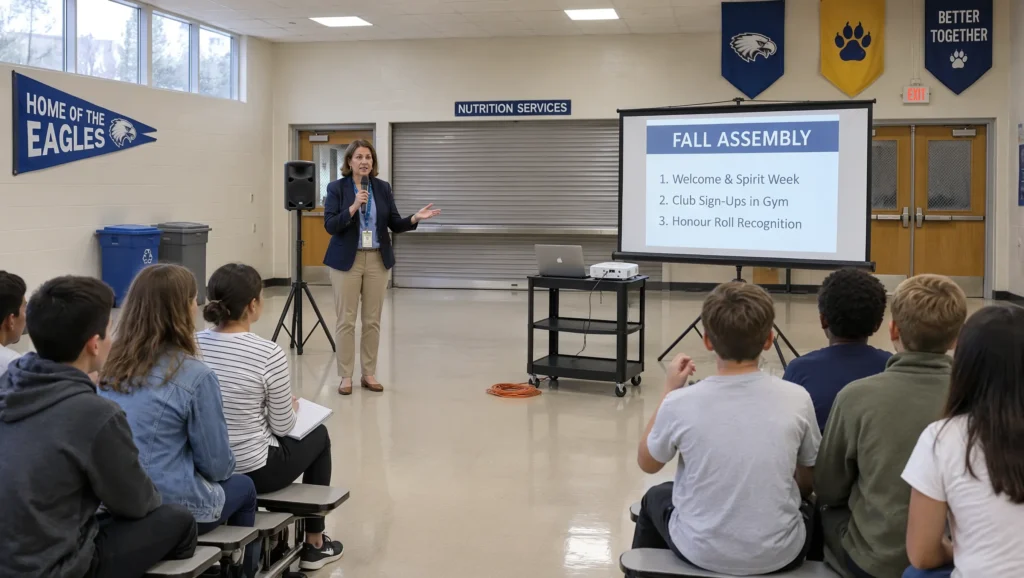
6. Build a Culture of Continuous Improvement
Your vision should not be limited to one annual meeting or a statement displayed on the school noticeboard. It should influence everyday decisions.
Encourage teachers to reflect on their classroom practices, share successful strategies, learn from mistakes, and participate in professional development.
You can introduce a simple practice: ask every teacher to identify one teaching strategy they will improve each month. During the next meeting, invite volunteers to share what they tried, what worked, and what they learned.
Celebrate meaningful progress, including improvements in student participation, attendance, reading ability, and classroom relationships.
When teachers feel safe discussing challenges, they are more likely to seek help and try new approaches.
A school that learns continuously is better prepared to respond to changing educational needs.
7. Prepare Your School for the Future
Education is changing every day. Students need more than subject knowledge to navigate a world shaped by technology, changing workplaces, and new social challenges.
Your vision should include digital literacy, communication, creativity, collaboration, critical thinking, responsible AI use, and emotional well-being.
You can begin without expensive infrastructure. Introduce student presentations, group problem-solving activities, project-based learning, classroom discussions, and opportunities for students to explain their thinking.
Encourage teachers to connect lessons with real-life situations. For example, a mathematics lesson can involve budgeting, a science lesson can explore local environmental issues, and a language lesson can develop communication through interviews or presentations.
Your challenge: Identify one future-ready skill that needs greater attention in your school. Discuss how every department can help students develop it through regular classroom activities.
A forward-looking principal does not abandon the foundations of education. You strengthen those foundations while helping students develop the skills they will need tomorrow.

Conclusion: Your Vision Must Become Your Daily Practice
Being a visionary principal does not mean predicting the future perfectly. It means recognizing possibilities, understanding present challenges, setting meaningful priorities, and helping people work towards a better future.
You may not be able to change everything in one academic year. You may face limited resources, staff shortages, parental expectations, or resistance to change. Begin with the areas where your leadership can make a meaningful difference.
Choose a priority. Involve your teachers. Set a realistic target. Monitor progress. Learn from the results. Then take the next step.
Remember: Your vision gives your school direction, but your daily decisions determine whether that vision becomes reality.
Practical Implementation Checklist: Are You a Visionary Principal?
Use this checklist to evaluate how effectively you are turning your vision into action.
Vision and Planning
☐ I have a clear vision for my school’s future.
☐ I have identified my school’s strengths and priority areas for improvement.
☐ I have established measurable goals for student learning and school development.
☐ My teachers understand our school’s vision and priorities.
Teaching and Learning
☐ I regularly monitor student progress using assessment data.
☐ I encourage innovative, activity-based, and student-centred teaching.
☐ I ensure that students who need additional support receive appropriate help.
☐ I encourage teachers to share effective classroom practices
Teacher Empowerment
☐ I involve teachers in school improvement planning.
☐ I provide opportunities for collaboration and professional development.
☐ I recognise teachers’ contributions and celebrate meaningful progress.
Technology and Innovation
☐ I encourage the responsible use of digital tools and AI.
☐ I ensure that technology improves learning or reduces unnecessary administrative work.
☐ I promote digital safety and protect student information.
Monitoring and Improvement
☐ I review progress towards school improvement goals regularly.
☐ I identify challenges and adjust plans when necessary.
☐ I use feedback from teachers, students, and parents to improve school practices.
☐ I celebrate progress and plan the next steps.
How to Use This Checklist
Step 1: Tick the statements that reflect your current leadership practices.
Step 2: Identify two or three areas that need improvement.
Step 3: Choose one priority and prepare a practical 30-day action plan.
Step 4: Review your progress at the end of the month and identify your next steps.
Remember: You do not need to transform your entire school overnight. Start with one meaningful improvement, involve your team, and build on your progress.
A visionary principal does not simply imagine a better school. You lead your team.

A Question for You
If your teachers, students, and parents described your school five years from now, what would you want them to say about the difference your leadership made?
Share your thoughts in the comments. Your experience may inspire another school leader.
This is the first article in the 10-part series, “What Makes a Great Principal? 10 Characteristics of an Effective School Principal.” Follow EduTHOUGHTS for practical insights into educational leadership.
Frequently Asked Questions (FAQs)
1. What is visionary leadership in school management?
Visionary leadership is the ability of a school principal to establish a clear direction for the school’s future, inspire teachers, improve student learning, and turn educational goals into practical actions.
2. Why is visionary leadership important for a school principal?
Visionary leadership helps principals set clear priorities, motivate teachers, improve teaching quality, embrace educational innovations, and create a positive learning environment for students.
3. How can a school principal develop visionary leadership skills?
A principal can develop visionary leadership by setting measurable goals, involving teachers in decision-making, monitoring student progress, encouraging professional development, and reviewing school improvement plans regularly.
4. How can technology and AI support visionary school leadership?
Technology and AI can help principals streamline administrative tasks, analyse student performance, support lesson planning, improve communication, and identify learning gaps. Their use should protect student privacy and support professional judgement.
5. What is the difference between a school manager and a visionary leader?
A school manager focuses primarily on daily operations, schedules, and administrative responsibilities. A visionary leader also plans for the future, inspires teachers, encourages innovation, and builds a shared commitment to continuous school improvement.
You may like to read:-
- What Makes a Great Principal? | 10 Must-Have Qualities | Part:2 Strong Communication Skills
- What Makes a Great Principal? | 10 Characteristics | Part:1 Visionary Leadership in School Principals
- 15 Things Every School Principal Should Check Every Day
- Before You Correct a Child, Ask Yourself This One Question
- Why Do Hardworking Teachers Sometimes Achieve Poor Results? 6 Reasons and Solutions
Your suggestion is our energy.
I am a teacher.so your article is very useful for me.
I will like to know about how a principal can really manage an institution well
Thanks! I understood a lot of things that I did without reading this post. I will reuse this information when…


Educational & Management Expert, Accredited Teacher & Soft Skills trainer,Certified Counselor,Writer, and Author


Quite educative n essential n effective information for we like Principal….who are striving n struggling for the betterment of Schools…