

Have you ever noticed how a single conversation can strengthen a parent’s trust in you—or create a misunderstanding that takes days to resolve? As teachers, we put our hearts into helping students learn and grow, but building a good relationship with their parents can sometimes be just as challenging as managing a classroom. A worried phone call, an unexpected WhatsApp message, or a complaint about marks can test our patience. The good news is that a few thoughtful words and a willingness to listen can change the direction of a conversation.
Let’s find some practical ways to communicate with parents that build trust, encourage cooperation, and keep every child’s growth at the centre.
In my experience as an educator and school principal, I believe that strong relationships between teachers and parents begin when both sides feel heard, respected, and understood.
Here are five practical ways to build better relationships with modern parents.
Listen Before You Explain
When a parent meets you with a complaint, your first reaction may be to explain what happened. But sometimes, parents need you to listen before offering an explanation.
Suppose a parent says, “My child tells me that you never give him a chance to answer.”
You try to say: “I understand your problem. Let me observe your child’s participation more closely and see how I can encourage him to contribute more.”
Listening calmly helps prevent misunderstandings and shows parents that their concerns are taken seriously.
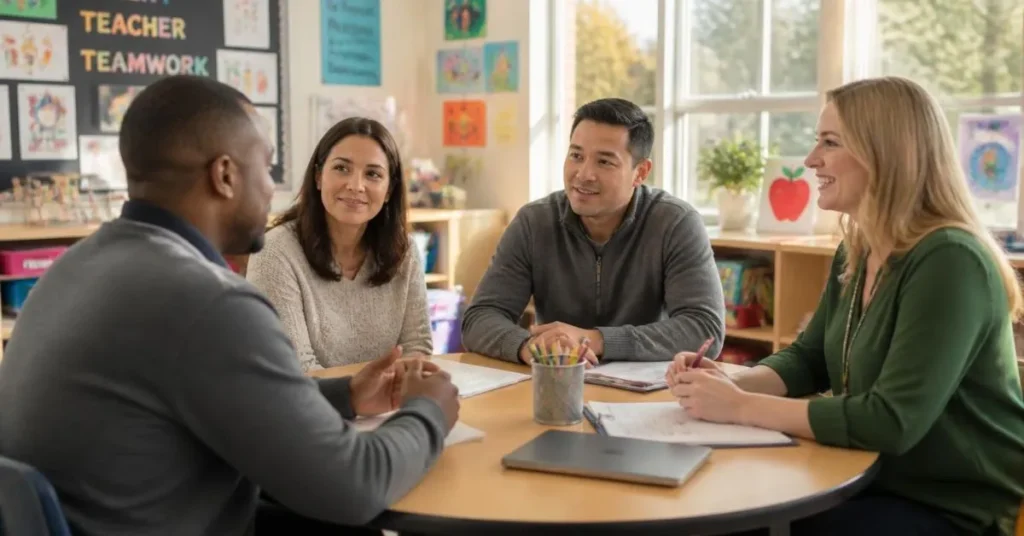
Communicate Before Problems Grow
Parents should not hear from you only when their child makes a mistake, scores poorly, or breaks a rule.
You can share positive news, too. A short message can strengthen the relationship.
For example, send a WhatsApp message like this:
“Dear Parent, I am happy to share that your child participated actively in today’s classroom activity. I appreciate the improvement and encourage you to continue supporting this progress at home.”
When discussing a concern, be equally specific:
“I have noticed that your child has not completed homework regularly this week. Could we discuss how we can help establish a consistent study routine?”
Respect Parents, Even When You Disagree
Modern parents may question teaching methods, homework, marks, or classroom decisions. Their concerns may sometimes arise from incomplete information.
You should avoid statements such as, “You do not understand how we teach.”
You can say: “Thank you for sharing your concern. Let me explain the reason behind this approach, and then we can discuss what would work best for your child.”
A respectful response does not mean agreeing with every demand. It means discussing differences professionally.
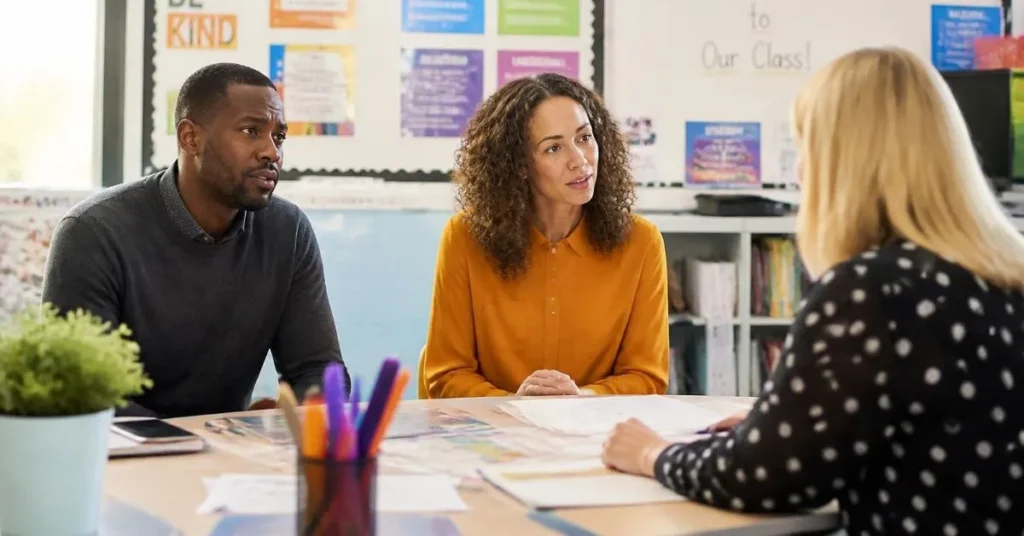
Focus on Solutions, Not Blame
When a student struggles academically or behaves inappropriately, blaming the parent rarely solves the problem.
Imagine a student repeatedly fails to complete homework. You should not say, “You are not taking your child’s studies seriously.” You try to say: “I have noticed that homework has been incomplete several times. Is there anything making it difficult for your child to finish the work at home? Let us find a practical solution together.”
You might agree on a fixed study time, shorter task reminders, and regular progress checks.
Set Clear and Healthy Boundaries
Building good relationships does not mean being available at every hour or agreeing to every demand. If a parent sends a message late at night, you can respond during working hours:
“Dear Parent, thank you for reaching out. I have received your message and will review the concern during school hours. We can discuss it further if needed.”
If a parent becomes angry during a meeting, remain calm:
“I want to understand your concern and help resolve it. Let us discuss this calmly so that we can focus on what is best for your child.”
Clear boundaries protect teachers’ time while maintaining professional respect.
Conclusion
Dear teachers, the words we choose can either build a bridge or create a wall between school and home.
Parents know their children in ways that teachers may not, and teachers observe their students in ways that parents may not. Both perspectives are valuable.
You do not communicate with parents only to report a problem. You Communicate to build a partnership.
When teachers and parents listen to each other, share responsibility, and work towards common goals, children receive stronger support both at school and at home.
The goal is not to win an argument with a parent. It is to work together for the child’s growth.
That is where meaningful educational partnerships begin.
Frequently Asked Questions (FAQs)
1. How can teachers build strong relationships with parents?
Teachers can build strong relationships with parents by listening to their concerns, communicating regularly, sharing positive feedback, respecting their opinions, and working together to support each child’s growth.
2. How should teachers handle complaints from parents?
Teachers should remain calm, listen carefully, acknowledge the parent’s concerns, and respond respectfully. Instead of becoming defensive, they should focus on understanding the issue and finding a practical solution.
3. How can teachers improve communication with modern parents?
Teachers can use WhatsApp messages, phone calls, parent-teacher meetings, and school communication platforms to share updates about student’s academic progress, behaviour, achievements, and areas for improvement.
4. How can teachers deal with parents who disagree with their teaching methods?
Teachers should explain the reasons behind their teaching methods politely and provide clear examples of how these approaches benefit students. They should also consider parents perspectives and discuss possible solutions professionally.
5. Why is a strong teacher-parent relationship important for students?
A strong teacher-parent relationship creates consistent support between home and school. It helps students improve academically, develop positive behaviour, build confidence, and feel encouraged in their learning journey.
- 4 Simple Ways to Increase Student Engagement in the Classroom
- How Teachers Can Build Stronger Relationships with Parents
- 5 Effective Teaching Strategies Every Teacher Should Use
- Time Management: Importance, Benefits & Tips
- What Is the Biggest Challenge Teachers Face Today?
This is wonderful. This report is fantastic.
Sir your content is reflected on real classroom situation.
Hello Sir, This is a powerful and so meaningful message. As head of a secondary school, this is a philosophy…
We will follow it…


Educational & Management Expert, Accredited Teacher & Soft Skills trainer,Certified Counselor,Writer, and Author
Thanks! I understood a lot of things that I did without reading this post. I will reuse this information when…