
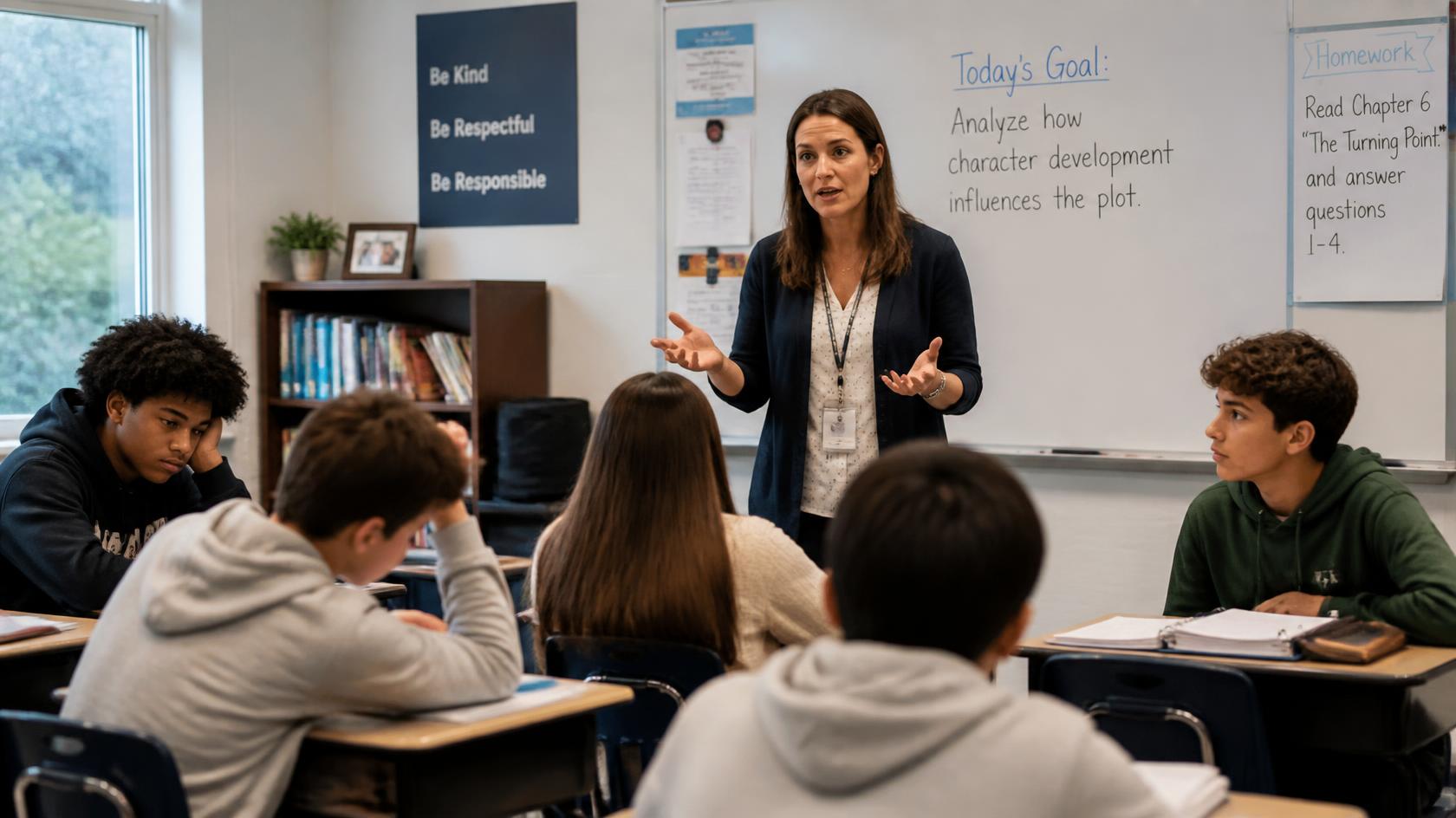
Have you ever stood in front of your students, given your best, and explained a lesson with all your heart and efforts, but you felt that your words or class were not reaching your students?
You prepare your lessons, spend hours correcting notebooks, manage countless responsibilities, and return to the classroom the next day with the same hope—that your students will learn something meaningful. But you see distracted faces, silent classrooms, and students who seem to have lost their interest in learning.
And deep inside, you begin to wonder, “Am I doing enough? Why are my students not responding the way I hoped?”
If you have ever felt this way, you are not alone. The teachers today are not simply struggling to teach lessons; they are struggling to win the attention, interest, and hearts of their students.
Why Are Students Losing Interest in Learning?
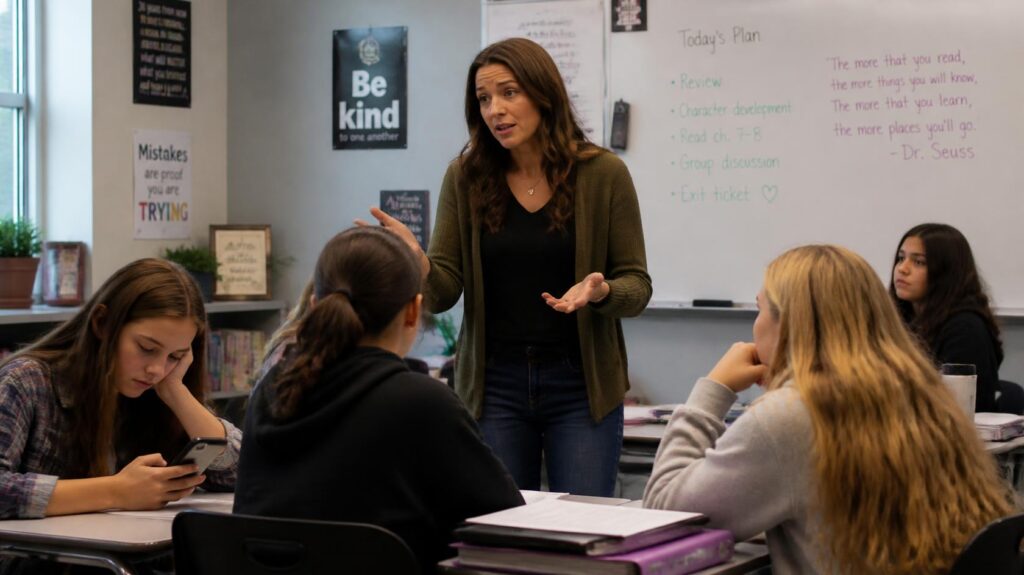
You know that teaching is no longer simply about explaining a lesson and asking students to memorize it. Many of your students today are surrounded by mobile phones, social media, online entertainment, and instant information. Compared with these distractions, a traditional classroom lesson may be less interesting.
Some of your students are struggling to concentrate. Others are hesitating to participate because they fear making mistakes. Some of them attend classes without understanding why the lessons are important to their lives.
As a result, teachers often spend more time managing attention than developing understanding.
The challenge becomes even greater when teachers must complete the syllabus, prepare students for examinations, maintain records, and meet academic expectations, all while ensuring that every child learns.
What is the real solution?
The solution is not to insult students or follow traditional teaching methods completely. Now, teachers need to make learning more meaningful, interactive, and connected to student’s lives.
Here are three practical ways to begin.
1. You connect lessons with real life.
Instead of explaining mathematical percentages only through textbook exercises, you can ask students to calculate discounts during shopping. When teaching science, connect concepts with everyday experiences. Your students become more interested when they understand how knowledge applies beyond the classroom.
2. You make students active participants.
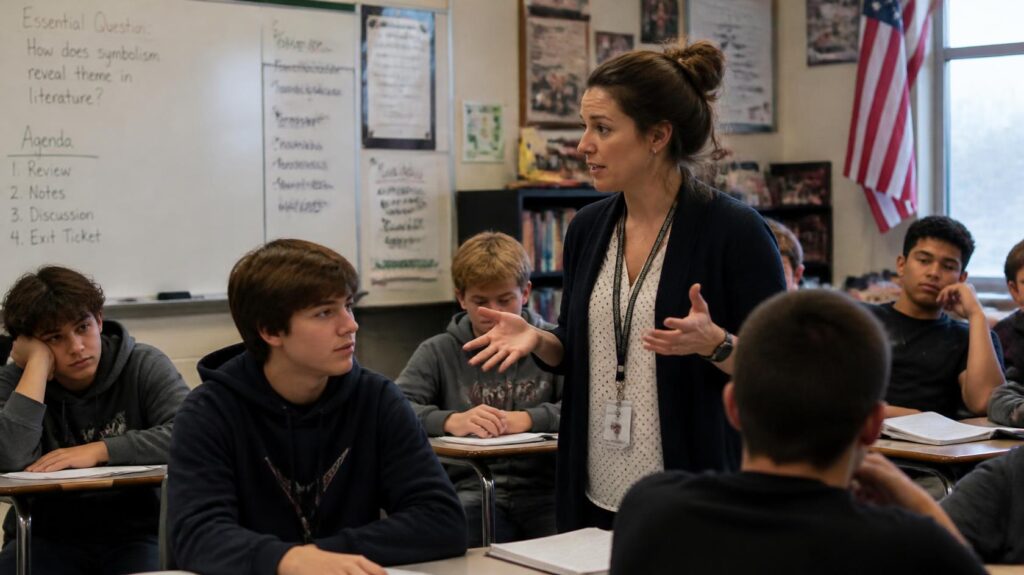
You should ask questions, encourage discussions, introduce short activities, and give students opportunities to explain their ideas. Even a five-minute pair discussion can make a lesson more engaging than a long explanation.
3. You build relationships before demanding results.
Your students are more willing to learn when they feel respected, supported, and understood. You can appreciate effort, respond patiently to mistakes, and encourage students who struggle. A student who feels safe asking questions has a better opportunity to grow.
You Need Support
We cannot expect teachers to inspire every student while continuously increasing their responsibilities without adequate support.
School management should provide realistic workloads, useful training, teaching resources, and the freedom to use creative classroom strategies.
The Final Thought
The most significant challenge is not merely completing the syllabus. It is helping students become interested enough to learn, confident enough to ask questions, and motivated enough to keep improving.
A good teacher explains the lesson. A great teacher creates a reason for students to want to learn it.
FAQs
1. What is the biggest challenge teachers face today?
The biggest challenge teachers face today is engaging students and maintaining their interest in learning. Distractions, reduced concentration, fear of making mistakes, and academic pressure can make effective teaching more difficult.
2. Why are students losing interest in learning?
Some students struggle to concentrate because of mobile phones, social media, and online entertainment. Others find lessons difficult to relate to real life or hesitate to participate because they fear making mistakes.
3. How can teachers make classroom learning more interesting?
Teachers can make learning more interesting by connecting lessons to real-life situations, using interactive activities, encouraging discussions, asking meaningful questions, and giving students opportunities to participate actively.
4. How can teachers motivate students who show little interest in learning?
Teachers can motivate students by understanding their needs, appreciating their efforts, setting achievable goals, providing constructive feedback, and creating a supportive classroom where students feel confident asking questions and learning from mistakes.
5. What support do teachers need to overcome classroom challenges?
Teachers need manageable workloads, adequate teaching resources, relevant professional development, supportive school leadership, and the freedom to use creative teaching strategies that meet student’s learning needs.
- What Is the Biggest Challenge Teachers Face Today?
- 7 Things Your Students Wish You Understood About Them
- 7 Classroom Management Objectives That Can Transform Your Classroom
- Gen Y, Gen Z & Gen Alpha: Do You Really Understand Your Learners?
- How to Be an Effective Teacher: 21 Habits of Highly Effective Teachers
Sir your content is reflected on real classroom situation.
Hello Sir, This is a powerful and so meaningful message. As head of a secondary school, this is a philosophy…
We will follow it…
Thank you very much for you advice that gave an important information towards good teacher and preparation of lesson plan.…



This is wonderful. This report is fantastic.