

Student engagement is the level of attention, curiosity, motivation, optimism, and passion your students show while learning in your classroom. You can see it when your students arrive in class eager to learn, actively participate in activities, and maintain a positive attitude towards learning. As a teacher, you know that student engagement plays an important role in achieving educational goals and improving academic performance.
When your students are not engaged, it affects more than just your classroom instruction. It can also influence how well they retain knowledge and how productively they learn. On the other hand, when your students are actively involved in learning, they become more motivated, which often leads to better performance and results.
So, how can you make your classroom more engaging and encourage every student to participate? Here are four practical strategies you can use in your daily teaching.
1. Create Effective Classroom Management Strategies
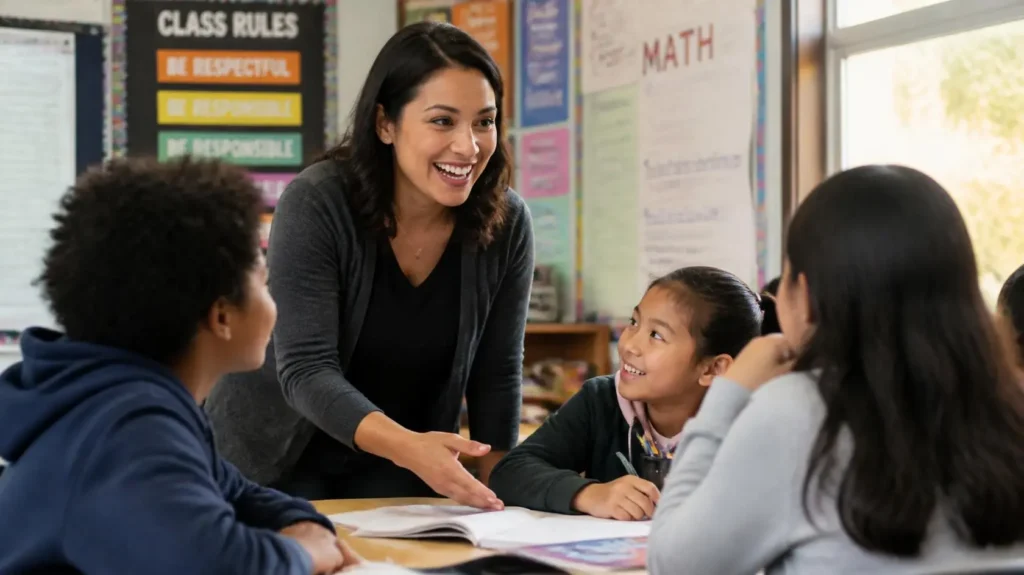
Your classroom needs a structured and supportive environment where every student feels encouraged to give their best. To achieve this, you should establish clear classroom rules, guidelines, and routines that help capture your students’ attention and keep them focused on learning.
You should set clear expectations for your classroom community and make sure you follow them consistently. When your students understand what is expected of them and become aware of how their classmates respond to their behaviour and ideas, they are more likely to remain attentive and express their opinions confidently.
Remember that effective classroom management is not just about maintaining discipline. It is also about creating an environment where your students feel comfortable, respected, and ready to learn.
2. Encourage Your Students to Present and Share Their Work
Do you give your students regular opportunities to present their work in front of their classmates? If not, try making it a regular part of your classroom activities.
When your students share their ideas and demonstrate what they have learned, they become more actively involved in the learning process. These opportunities also encourage them to take responsibility for their learning and gain knowledge from sources beyond you, their teacher.
You can ask your students to present their ideas individually or in small groups. Encourage everyone to contribute and listen to one another. When each student gets an opportunity to share their thoughts, you can create a more inclusive, balanced, and engaging classroom environment.
3. Ask Open-Ended Questions
Your questions can make a big difference in how your students think, respond, and participate in classroom discussions.
Instead of asking only questions that require a single correct answer, try asking open-ended questions that encourage your students to think deeply, share their opinions, and explore different possibilities. Such questions can lead to more interesting discussions because students may arrive at different answers through their own reasoning.
When you use questions that require deeper understanding, you encourage your students to read carefully, complete their homework thoughtfully, and think beyond memorising facts.
You can use different types of questions to stimulate discussion, check your students’ understanding, and encourage them to explain their ideas. The more opportunities you give your students to think and respond, the more actively they can participate in learning.
4. Bring the Real World into Your Classroom
Your students are more likely to feel motivated when they understand how their classroom learning connects with the world around them.
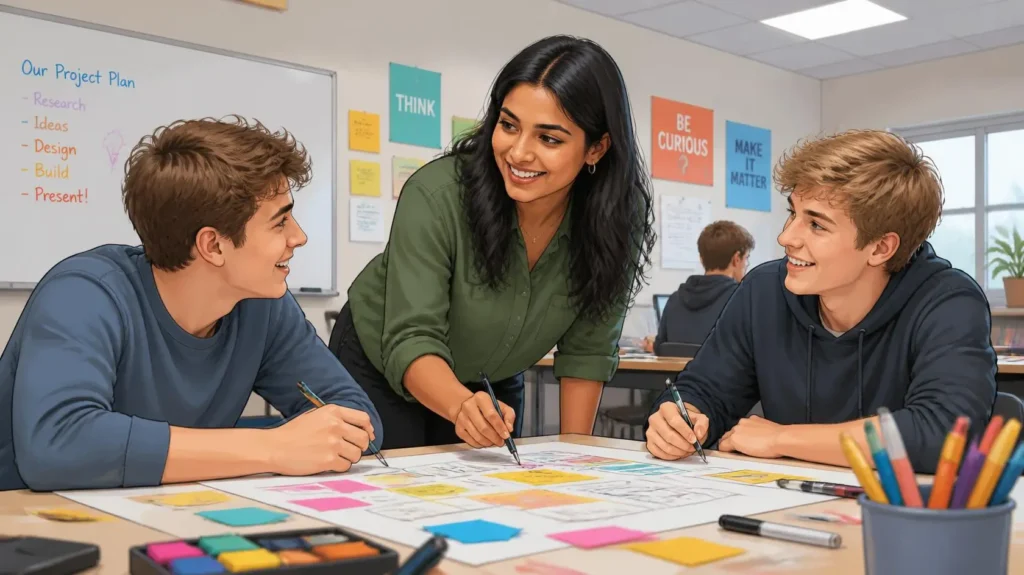
Try to show your students why the subjects you teach are relevant to their everyday lives. You can use real-life examples, personal anecdotes, case studies, and familiar situations to explain concepts and make lessons more meaningful.
For example, connect your lesson content with situations your students encounter outside school or at home. When they recognise the practical value of what they are learning, they are more likely to develop an interest in the subject and take an active role in classroom activities.
As a teacher, you have many opportunities to make learning relevant and meaningful. By connecting classroom knowledge with real-life experiences, you can help your students understand why learning is important and encourage them to participate more enthusiastically.
Conclusion
Student engagement does not happen by chance. It grows when you create a supportive classroom, give your students opportunities to share their ideas, ask meaningful questions, and connect learning with real life. Start with these simple strategies and see how you can make your classroom a more active and engaging place to learn.
FAQs: Student Engagement in the Classroom
1. What is student engagement in the classroom?
Student engagement refers to the attention, curiosity, motivation, and active participation your students demonstrate during the learning process.
2. Why is student engagement important?
Student engagement helps improve learning outcomes, knowledge retention, classroom participation, and academic performance.
3. How can you improve student engagement in your classroom?
You can improve student engagement by establishing effective classroom management strategies, encouraging students to share their work, asking open-ended questions, and connecting lessons with real-life experiences.
4. How do open-ended questions improve student engagement?
Open-ended questions encourage your students to think critically, express their opinions, explore different possibilities, and participate actively in classroom discussions.
5. How can you connect classroom learning with real-life experiences?
You can use everyday examples, personal anecdotes, case studies, and familiar situations to help your students understand the practical value of what they learn.
You may like to read:-
- 4 Simple Ways to Increase Student Engagement in the Classroom
- How Teachers Can Build Stronger Relationships with Parents
- 5 Effective Teaching Strategies Every Teacher Should Use
- Time Management: Importance, Benefits & Tips
- What Is the Biggest Challenge Teachers Face Today?
This is wonderful. This report is fantastic.
Sir your content is reflected on real classroom situation.
Hello Sir, This is a powerful and so meaningful message. As head of a secondary school, this is a philosophy…
We will follow it…


Educational & Management Expert, Accredited Teacher & Soft Skills trainer,Certified Counselor,Writer, and Author

Thanks! I understood a lot of things that I did without reading this post. I will reuse this information when…