
The Importance of Effective Communication Skills in Teaching
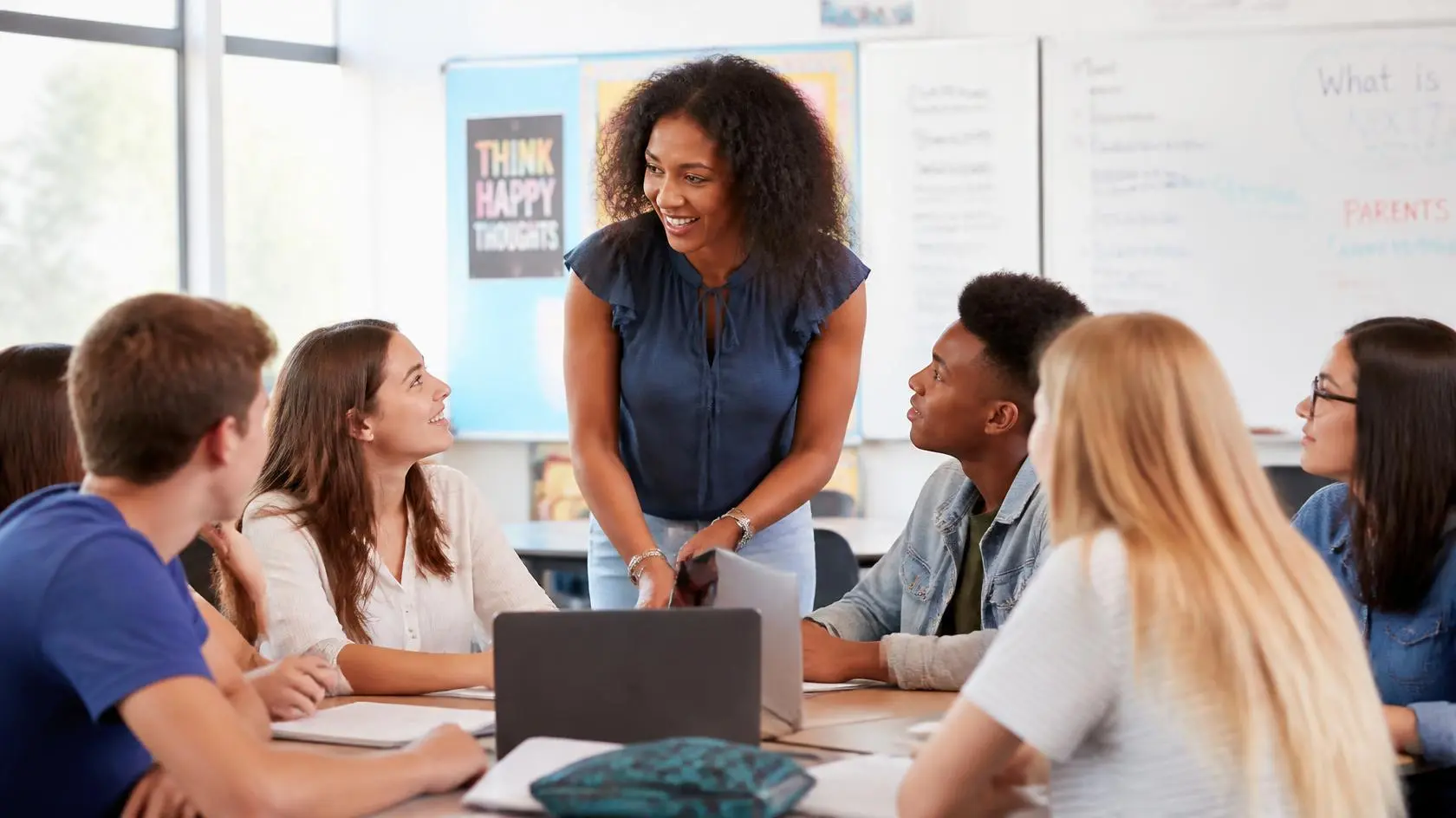
Effective communication with students creates a positive learning environment and supports student success. Teachers with strong communication skills can build strong relationships with students, parents, school staff, and management. Teachers must communicate effectively with their students as well as with other teachers. Teachers with strong communication skills can better understand their students and can build positive relationships with them. It can help teachers solve problems and effectively manage their classrooms. Communication skills are essential for the success of the teaching profession.
Effective communication skills will improve relationships, increase understanding, and foster positive interactions. Communication is essential in the classroom. Successful teaching requires only 50% knowledge and 50% communication skills. A teacher must be skilled in all modes of communication, including listening, speaking, reading, and writing.
In this article, we will consider the significance of effective communication skills for teachers.
1. Interacting with Students
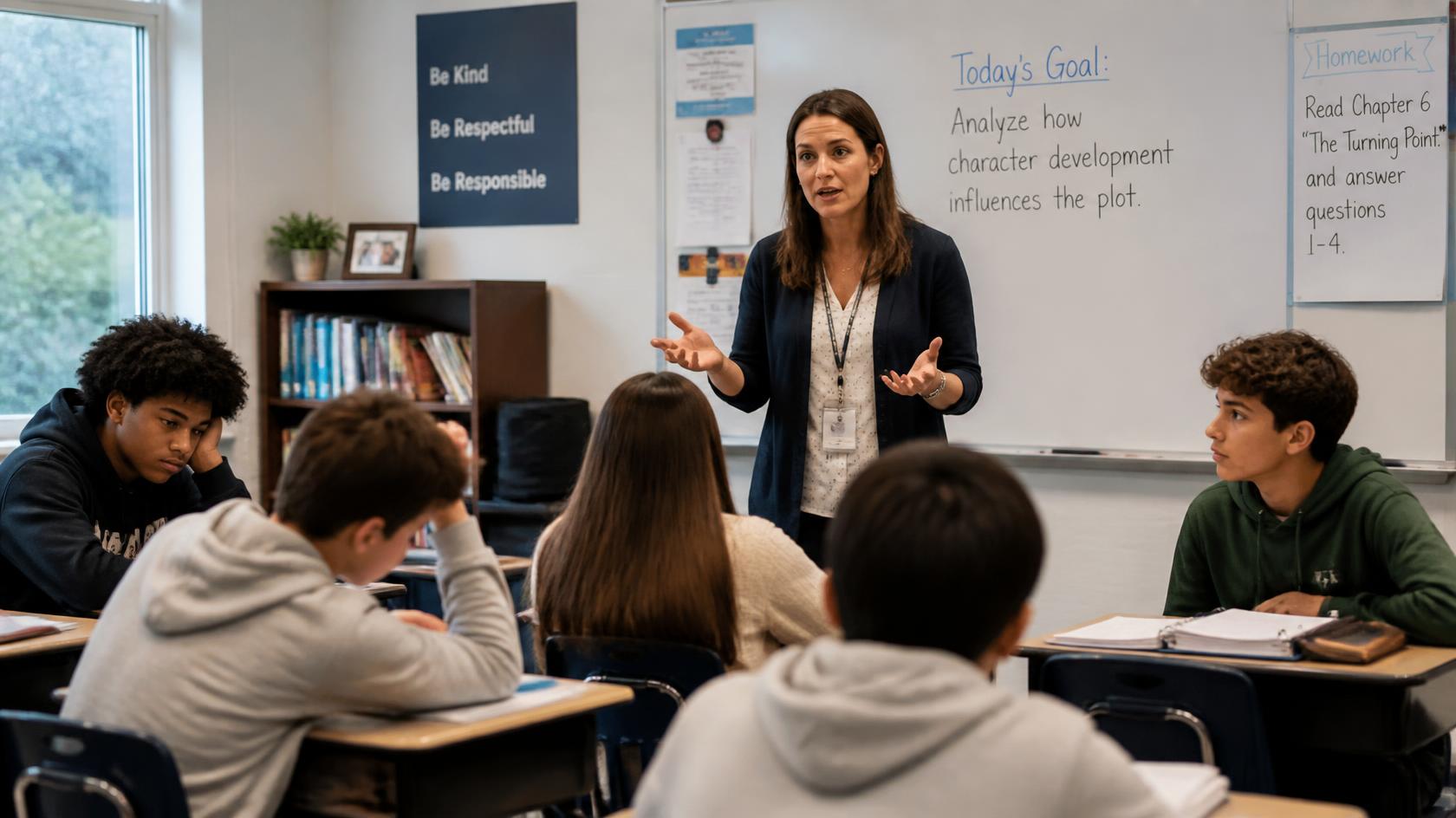
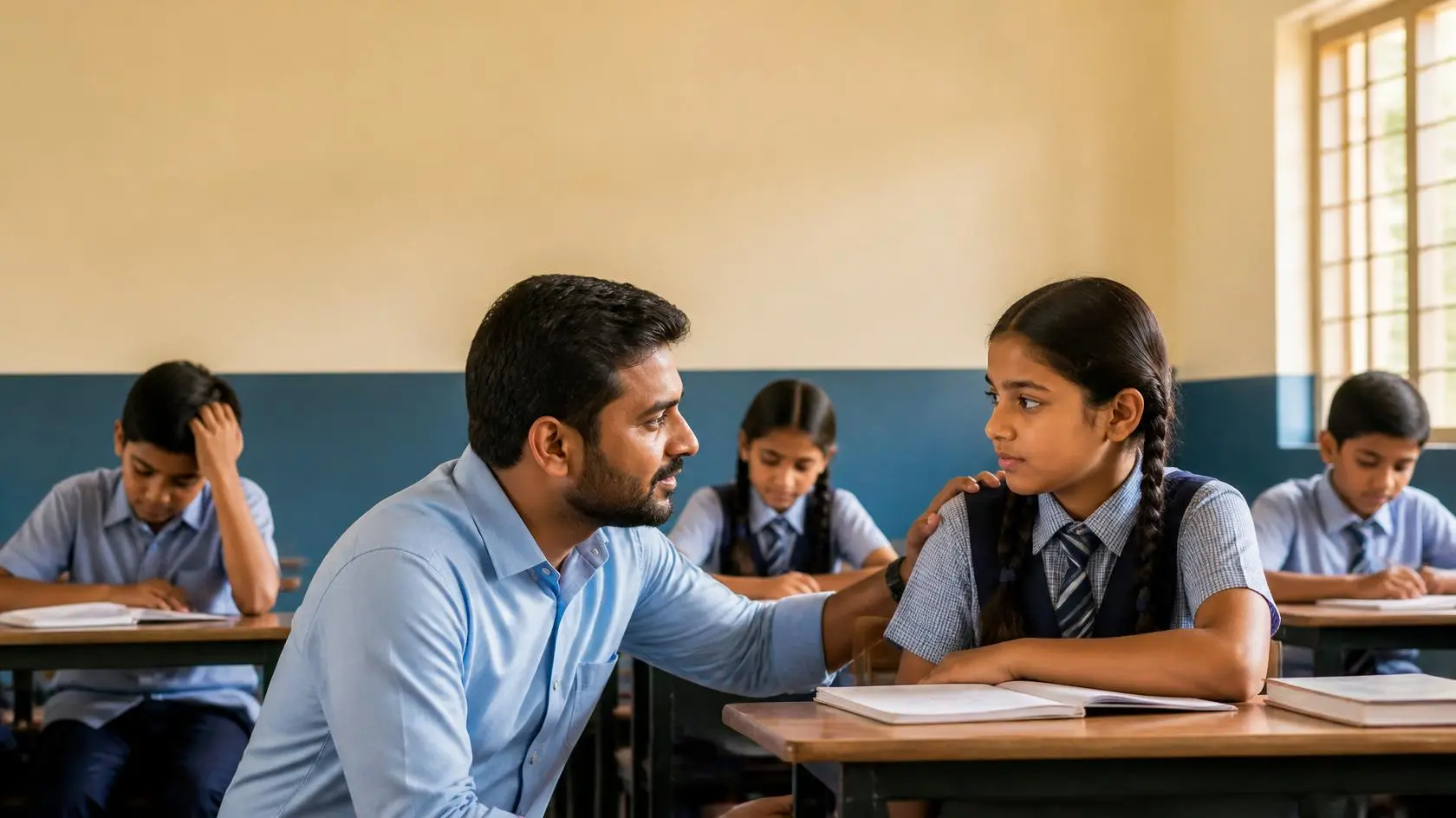
Effective communication skills are essential for interacting with students to convey information clearly. Teachers with effective communication skills can motivate students to learn, build supportive relationships with them, encourage their growth, manage the classroom effectively, and create a safe and supportive learning environment. Teachers’ effective communication skills will help students make more academic progress.
Practical Example: Imagine a student who repeatedly fails to complete homework. Instead of scolding the student in front of the class, you speak privately and ask, “I noticed that you haven’t completed your homework. Is there any difficulty you are facing?” The student explains that they are struggling to understand the lesson. You patiently explain the topic again and guide the student on how to complete the work. This approach builds trust and encourages the student to seek help when needed.
2. Interacting with Parents.
A teacher should be able to effectively communicate with parents via various media, including phone calls, emails, in-person meetings, and letters. A teacher should be fluent in both verbal and written communication. A teacher should discuss various issues, such as behaviour issues, learning problems, strengths, and weaknesses of the child, with the parent without making them feel confused. A teacher with good communication skills can effectively communicate with parents about their child’s performance and educational requirements.
Practical Example: Suppose a student frequently comes late to school and misses the first lesson. Instead of blaming the parents, you contact them politely and explain how late arrival affects the child’s learning. You listen to their concerns and work together to find a solution. This respectful conversation helps the teacher and parents cooperate in supporting the child’s education.
3. Interacting with Colleagues
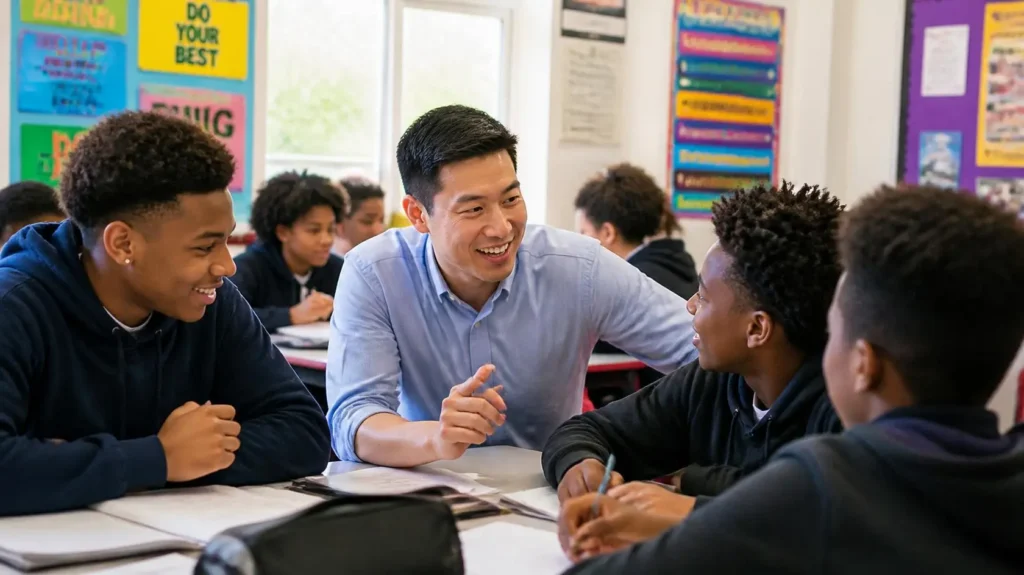
School is a professional learning community that encourages teachers to collaborate on planning and learning. A teacher should work with other staff members to plan lesson plans and discuss specific students’ progress, classroom issues, and extracurricular activities. These abilities are extremely useful in school staff meetings, training sessions, and programs. Teachers must have excellent communication skills to share new ideas with their colleagues and supervisors.
Practical Example: Imagine that students in Class VI are struggling to understand fractions. You discuss the problem with your colleagues during a staff meeting. Another teacher suggests using paper-folding activities and real-life examples to explain the concept. By sharing ideas and working together, you can make the lesson more engaging and improve students’ understanding.
4. Interacting with the Principal and Management
Teachers regularly communicate with the principal and school management regarding academic matters, student progress, classroom challenges, school activities, and professional responsibilities. Clear, respectful, and professional communication helps teachers share their ideas, concerns, and suggestions effectively. A teacher should be able to listen carefully to instructions, seek clarification when necessary, and provide appropriate feedback. Good communication with the principal and management creates mutual understanding, strengthens teamwork, and contributes to the smooth functioning of the school.
Practical Example: Suppose you notice that several students are struggling with reading comprehension. You prepare a brief summary of your observations and suggest introducing a weekly reading activity. During your discussion with the principal, you explain the problem clearly, present your suggestion, and listen to the management’s feedback. This professional approach helps the school consider a practical solution.
5. Interacting with Members of Teachers’ Associations and Groups
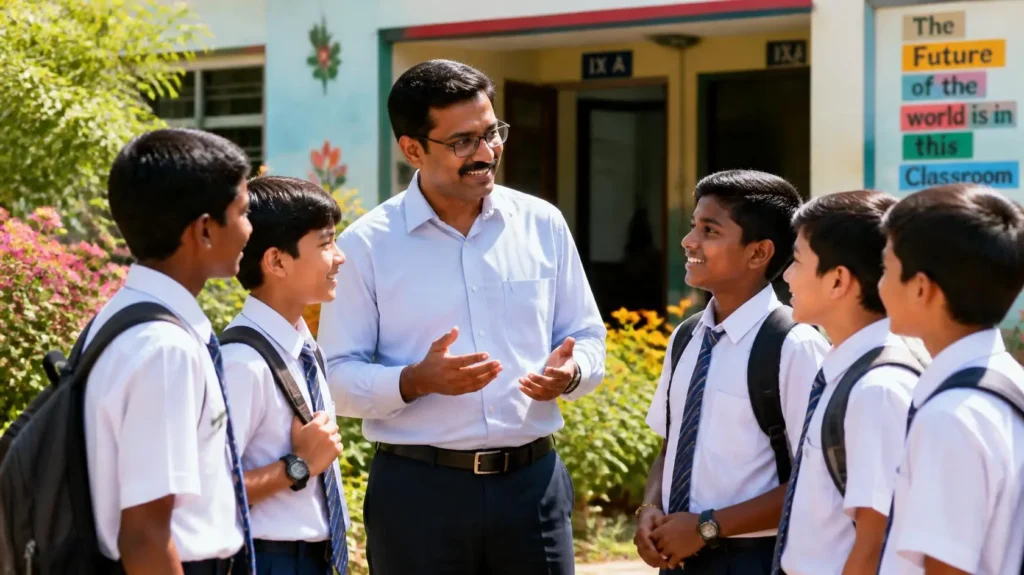
Teachers often become part of teachers’ associations, academic groups, professional networks, and online communities. These platforms provide opportunities to exchange ideas, share experiences, discuss educational challenges, and learn new teaching practices. Effective communication helps teachers express their views respectfully while also appreciating different perspectives. Positive interaction with professional groups can encourage collaboration, continuous learning, and professional growth.
Practical Example: You are part of an online teachers’ group where members discuss ways to improve classroom discipline. You share a strategy that has worked well in your classroom and explain how you implemented it. Another teacher suggests an additional approach. By exchanging experiences and responding respectfully, both teachers gain new ideas that they can apply in their schools.
6. Interacting with Helping Staff
A school functions successfully when teachers work respectfully with all members of the support staff, including office staff, attendants, drivers, housekeeping staff, security personnel, and other helping staff. Teachers should communicate their requirements clearly and treat every staff member with dignity and respect. Friendly and respectful communication creates cooperation and a positive working atmosphere. When teachers and helping staff work together effectively, students benefit from a more organised, safe, and supportive school environment.
Practical Example: Suppose you are organising a school function and need support with seating arrangements, classroom preparation, and student movement. You explain the requirements clearly to the support staff, listen to their suggestions, and thank them for their efforts. This respectful interaction encourages teamwork and helps the event run smoothly.

Conclusion
Communication is one of the most important qualities of a great teacher. Good communication helps teachers connect with students, understand their needs, work effectively with parents and colleagues, and maintain positive relationships with the principal, management, and support staff. A teacher who communicates clearly, listens patiently, and speaks respectfully can create a more positive and supportive school environment. Great teaching begins with knowledge, but great learning grows through effective communication.
FAQs
1. Why are communication skills important for teachers?
Communication skills help teachers explain lessons clearly, understand students’ needs, manage classrooms effectively, and build positive relationships with parents and colleagues.
2. What are the most important communication skills for teachers?
Important communication skills include active listening, clear speaking, effective writing, empathy, non-verbal communication, and constructive feedback.
3. How can teachers improve communication with students?
Teachers can improve communication by listening patiently, using simple language, encouraging questions, giving constructive feedback, and creating a safe classroom environment.
4. How can teachers communicate effectively with parents?
Teachers can communicate effectively with parents through regular updates, respectful conversations, clear feedback about student progress, and collaborative problem-solving.
5. How does effective communication improve classroom management?
Effective communication helps teachers explain expectations, prevent misunderstandings, address behavioural issues calmly, and create a positive learning environment.
You may like to read:-
- 6 Effective Communication Skills That Make You a Better Teacher
- Four Ways to Grow as an Educator
- 7 Things Parents Expect from Their Child’s Teacher
- 4 Simple Ways to Increase Student Engagement in the Classroom
- How Teachers Can Build Stronger Relationships with Parents
This is wonderful. This report is fantastic.
Sir your content is reflected on real classroom situation.
Hello Sir, This is a powerful and so meaningful message. As head of a secondary school, this is a philosophy…
We will follow it…


Educational & Management Expert, Accredited Teacher & Soft Skills trainer,Certified Counselor,Writer, and Author
Thanks! I understood a lot of things that I did without reading this post. I will reuse this information when…