
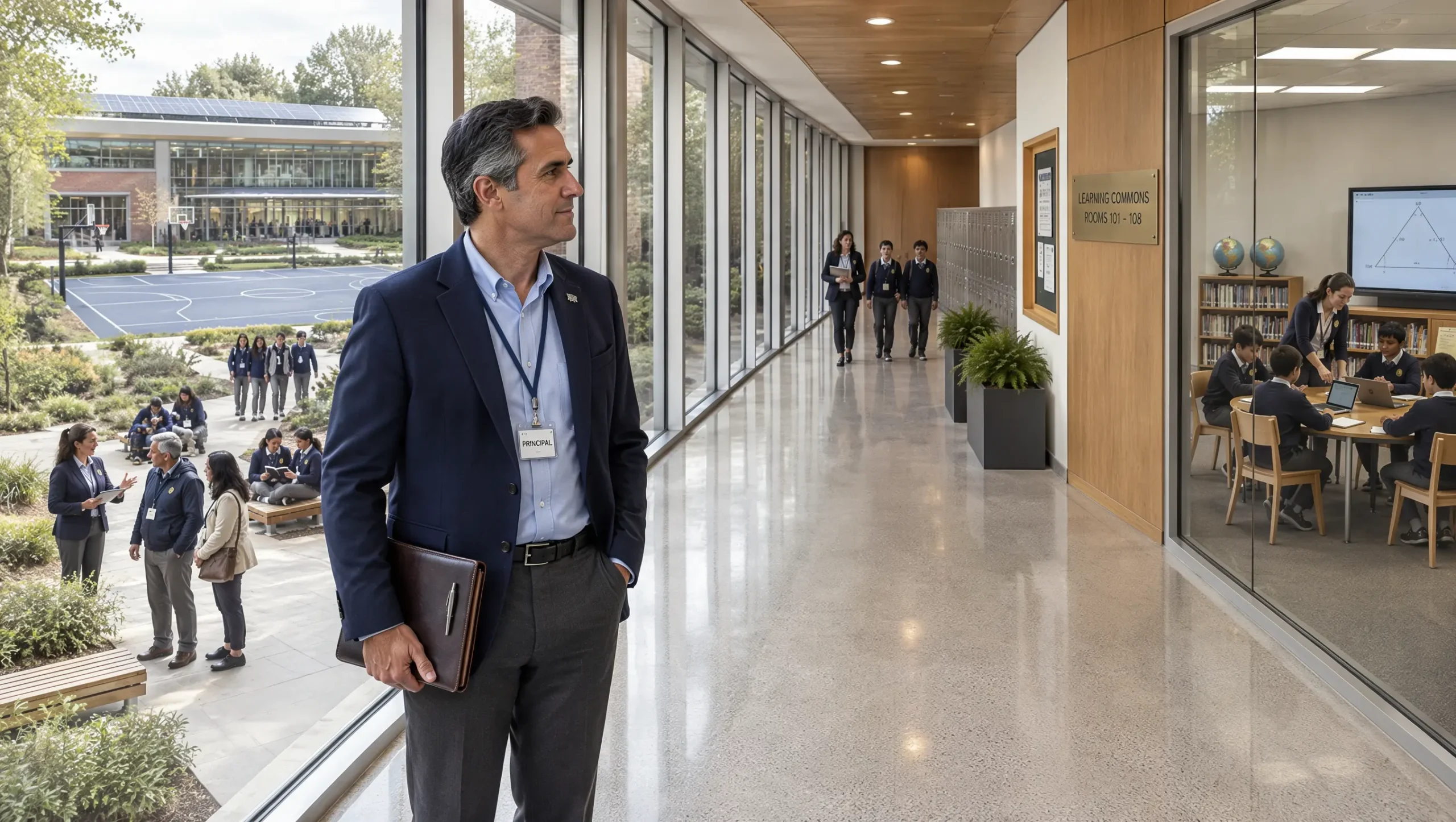
Have you ever wondered why some schools gradually lose people’s trust even when they have good infrastructure, qualified teachers, and attractive admission campaigns?
A school’s reputation is not built through advertisements alone. It develops through the everyday experiences of students, parents, teachers, and visitors.
You may organize excellent events, celebrate academic achievements, and promote your school’s facilities. But what happens when a parent receives no response to a phone call? What happens when a teacher feels ignored or a student’s concern is left unattended?
These seemingly small experiences can gradually influence how people perceive your institution.
As a school leader, you must pay attention to more than academic results and admission numbers.
Here are 10 things that can quietly damage your school’s reputation.
1. Poor Communication with Parents
Parents want to feel that their concerns are heard. When you ignore phone calls, delay responses, or communicate important information at the last minute, you create unnecessary dissatisfaction.
For example, if a parent contacts your school regarding a child’s academic progress, ensure that someone responds professionally and provides appropriate guidance.
Your communication reflects your school’s commitment to parents.
2. Unhappy and Undervalued Teachers
Your teachers play a significant role in shaping your school’s identity. If they feel overburdened, ignored, or unfairly treated, their enthusiasm and professional relationships may gradually suffer.
Listen to their suggestions, appreciate their efforts, distribute responsibilities fairly, and provide opportunities for professional growth.
A respected teacher is more likely to contribute positively to the school environment.
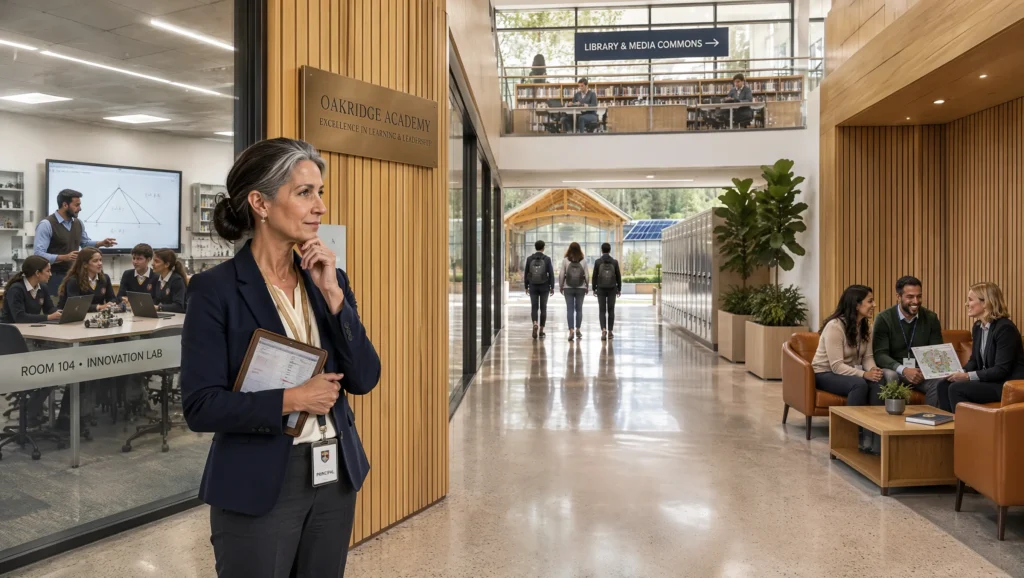
3. Favouritism in Management
Do you apply the same professional standards to everyone?
When you give special treatment to certain employees while overlooking others’ contributions, you create disappointment and mistrust.
Make decisions based on responsibility, performance, and fairness. Your staff should feel that everyone receives equal professional respect.
4. Ignoring Student Concerns
Every student deserves to feel safe, respected, and heard.
When students are afraid to approach teachers or school leaders, important concerns may remain hidden.
Create opportunities for students to express themselves. Listen patiently when a student reports bullying, classroom difficulties, or personal concerns.
Sometimes, a few minutes of genuine listening can make a student feel supported.
5. Lack of Discipline and Accountability
Your school cannot maintain a healthy learning environment if rules are applied differently to different people.
If you expect punctuality from teachers, demonstrate punctuality yourself. If you expect students to follow rules, ensure that staff members also respect institutional policies.
Discipline becomes meaningful when leadership practises what it expects from others.
6. Over promising During Admissions
Attractive admission campaigns may bring parents to your school, but unrealistic promises can damage their confidence.
Do not promise facilities, individual attention, academic results, or extracurricular opportunities that you cannot consistently provide.
Be honest about what your school offers. Let your actual performance speak louder than your advertisements.
7. Neglecting Cleanliness and Safety
Parents notice the condition of your classrooms, washrooms, drinking water facilities, playgrounds, and school surroundings.
A poorly maintained environment creates an unfavourable impression.
Make cleanliness and safety part of your daily monitoring routine. Assign responsibilities, conduct regular inspections, and address problems promptly.
8. Unprofessional Staff Behaviour
The way your employees interact with students, parents, and visitors matters.
A rude response at the reception, an argument in front of parents, or disrespectful communication can negatively influence their perception of your school.
Conduct regular staff discussions on professional communication, patience, and respectful behaviour.
9. Ignoring Feedback and Complaints
Do you welcome suggestions, or do you consider every complaint a criticism of your management?
Parents and teachers may identify problems that you have not noticed.
Listen without becoming defensive. Examine the concern, take appropriate action, and communicate the outcome.
Feedback should become an opportunity for improvement, not a reason for conflict.
10. Words Without Action
Your school may advertise quality education, discipline, values, individual attention, and student-centred learning.
But are these values visible in your everyday practices?
If you promise individual attention but rarely monitor students’ progress, or promote discipline but tolerate irresponsible behaviour, people will eventually notice the difference.
Make sure your school’s daily activities reflect the values you communicate.
A Final Reflection for Every School Leader
Your school’s reputation is built through hundreds of everyday experiences.
A parent’s unanswered phone call, a teacher’s unrecognised effort, a student’s unheard concern, or an unfulfilled admission promise may appear insignificant. However, when such experiences continue, they gradually influence how people speak about your institution.
As a school leader, ask yourself:
- Are parents comfortable communicating with your school?
- Do your teachers feel respected and valued?
- Do your students feel safe and supported?
- Are your promises reflected in your daily practices?
- Are you willing to accept feedback and improve?
Remember, your school’s reputation is not what your management says about it. It is what students, parents, teachers, and the community experience every day.
Do not spend all your energy promoting your school. Spend equal energy improving the experiences people have within it.
A good advertisement may attract parents to your school. Consistent quality, responsible leadership, and genuine care will give them reasons to stay.
Frequently Asked Questions (FAQs)
1. What are the main factors that damage a school’s reputation?
Poor communication, unhappy teachers, favouritism, ignored student concerns, lack of discipline, unfulfilled promises, and unprofessional behaviour can gradually damage a school’s reputation.
2. How can school management build parents’ trust?
Respond to parents promptly, communicate transparently, listen to their concerns, share students’ progress, and ensure that the school delivers what it promises.
3. Why do teachers play an important role in a school’s reputation?
Teachers interact with students and parents every day. Their professional behaviour, teaching quality, commitment, and relationships with students strongly influence how people perceive the institution.
4. How should a school principal handle parents’ complaints?
Listen patiently, understand the actual concern, investigate the matter fairly, take appropriate action, and communicate the outcome. Avoid becoming defensive or ignoring repeated complaints.
5. What is the most effective way to protect a school’s reputation?
Maintain consistency between your promises and daily practices. Focus on quality education, student safety, teacher satisfaction, parent communication, and responsible leadership. A school’s reputation grows through trust and consistent performance.
You may like to read:-
- 10 Things That Can Quietly Damage a School’s Reputation
- Who Takes Care of Teachers? Teacher Well-being and School Leadership
- The Child You Call Weak Today, May Surprise You Tomorrow
- What Makes a Teacher Truly Exceptional? 9 Essential Responsibilities
- How Principals Should Handle Parents’ Complaints: 7 Practical Strategies
Quite educative n essential n effective information for we like Principal….who are striving n struggling for the betterment of Schools…
Your suggestion is our energy.
I am a teacher.so your article is very useful for me.
I will like to know about how a principal can really manage an institution well


Educational & Management Expert, Accredited Teacher & Soft Skills trainer,Certified Counselor,Writer, and Author

There are important techniques to practice for all educators. Appreciate for sharing it.