

Have you ever underestimated a student because of poor academic performance, slow learning, or a lack of confidence?
Every classroom has students who learn at different speeds. Some answer questions confidently, complete their work quickly, and perform well in examinations. Others take more time, make repeated mistakes, hesitate to participate, or struggle to understand even simple concepts.
As teachers, it is natural to notice differences in academic performance. But we must never allow a student’s present performance to define our expectations of their future.
With over 20 years of experience in education and school leadership, I strongly believe that a child’s current ability is not the final measure of their potential.
Here are seven important things every teacher should remember.
1. Never Label a Child as Weak
A student who cannot read fluently today may become an excellent reader with regular practice. A child who struggles with mathematics may develop strong problem-solving skills over time.
Avoid calling students weak, dull, or incapable, even casually.
Instead of saying, “You cannot do this,” say, “Let’s try again. I believe you can improve.”
Your words can influence how students see themselves.
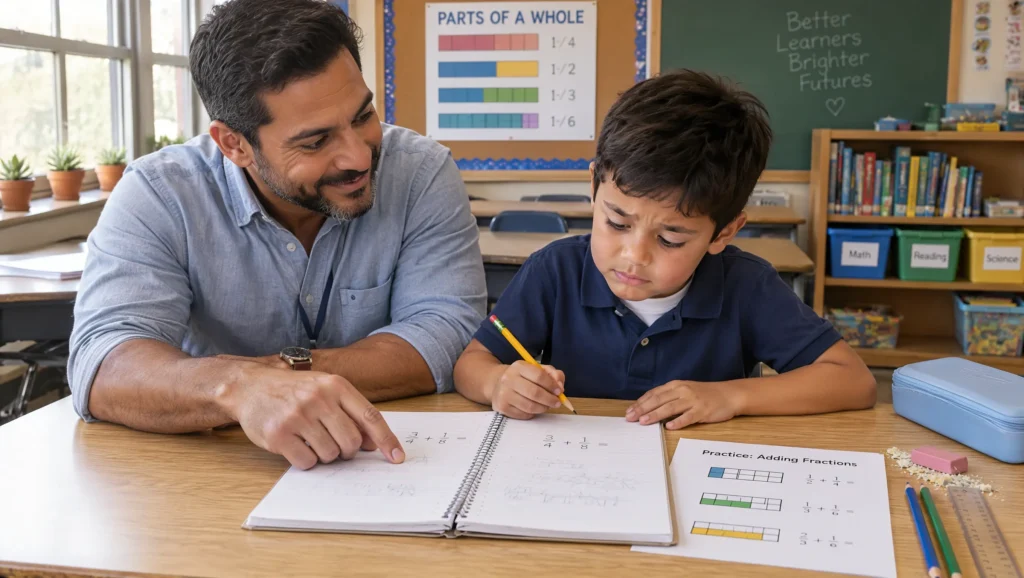
2. Understand That Every Child Learns Differently
Not every student understands a lesson at the same time or in the same way.
Some learn through explanations, others through pictures, activities, demonstrations, or repeated practice.
If a student does not understand your first explanation, try another approach.
Remember, a child taking more time to learn does not necessarily mean that the child lacks ability.
3. Never Compare One Student with Another
Comparison can discourage students and damage their confidence.
Imagine telling a child, “Look at your classmate. She always scores better than you!”
Instead, compare the child’s present progress with their own previous performance.
Ask, “You scored 35 last time and 45 this time. Can we work together to improve further?”
Celebrate individual progress, not just top ranks.
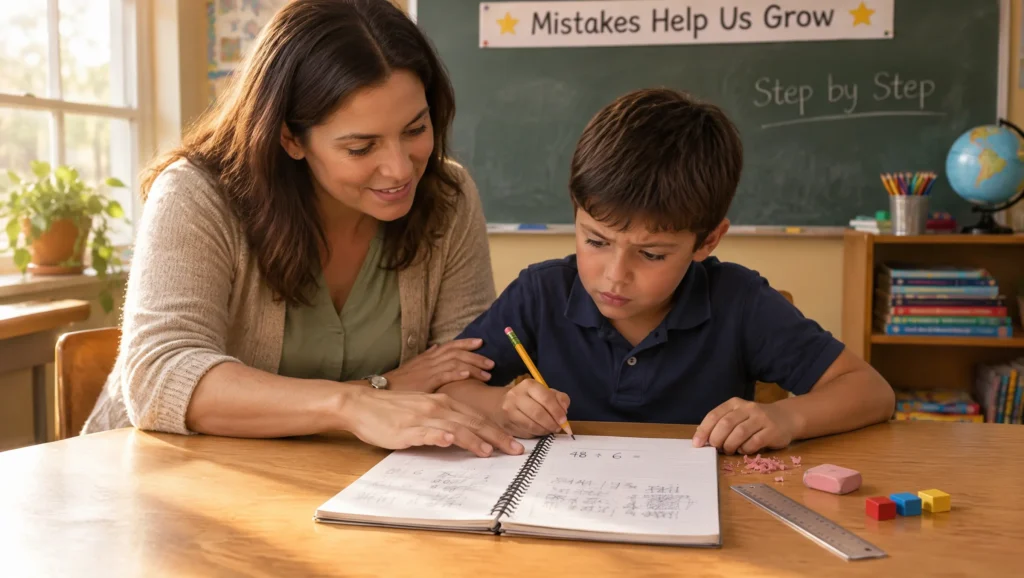
4. Give Struggling Students More Opportunities
Some students remain silent because they are afraid of giving wrong answers.
Invite them to participate through simple questions, pair activities, group discussions, and small classroom responsibilities.
When a student gives an incorrect answer, never make the child feel embarrassed.
Say, “Good attempt! Let’s understand where we went wrong.”
Every opportunity to participate can help build confidence.
5. Discover Their Hidden Strengths
Academic performance is only one part of a child’s development.
A student who struggles in examinations may be talented in drawing, sports, music, communication, creativity, leadership, or practical activities.
Observe your students beyond their notebooks and examination papers.
Give them opportunities to explore their interests and demonstrate their abilities.
Sometimes, the strength you discover outside the classroom can change the way a child sees their own future.
6. Focus on Improvement, Not Perfection
Do not expect every student to achieve the same results within the same period.
Set small, achievable learning goals. Provide regular feedback and appreciate genuine effort.
For example, if a child cannot read a paragraph independently, begin with a few words, then sentences, and gradually move towards paragraph reading.
Small improvements deserve recognition because consistent progress builds confidence.
7. Never Stop Believing in Your Students
A teacher’s expectations and encouragement can make a meaningful difference in a child’s educational journey.
Some students may take years to discover their abilities. Others may surprise everyone with their determination and achievements.
Your responsibility is not to predict which child will become successful. Your responsibility is to provide every child with opportunities to learn, grow, and improve.
Be patient. Be observant. Be encouraging.
And never close the door to a child’s possibilities.
A Final Reflection for Every Teacher
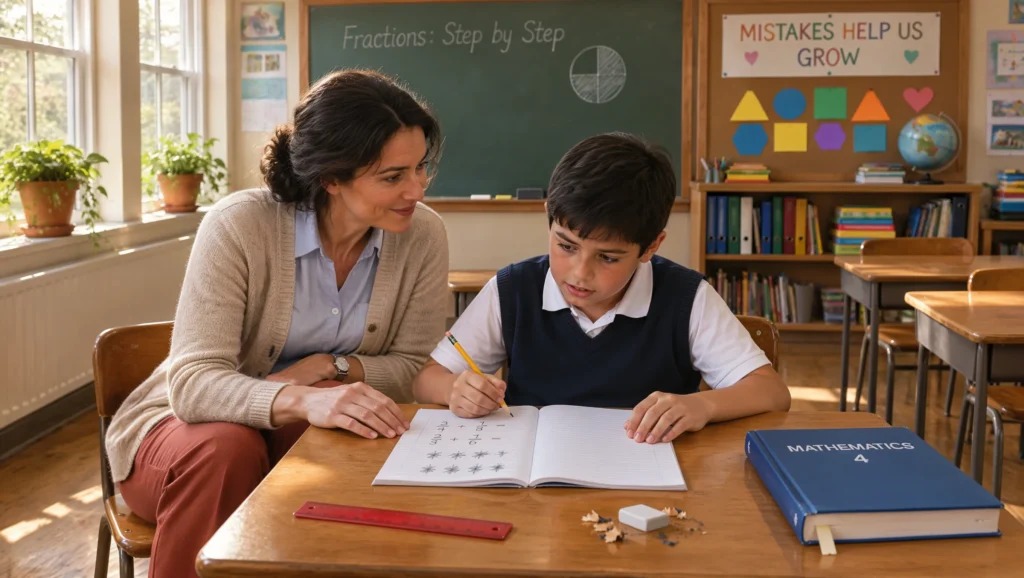
Dear teachers, the student who scores the lowest marks today may become an accomplished professional tomorrow. The child who struggles to speak in class may become a confident communicator. The student who learns slowly may develop remarkable abilities with time, encouragement, and consistent support.
Never allow a report card to become a child’s identity.
A child may be weak in a subject today, but that does not make the child weak in life.
Remember, your job is not to identify which children are capable of succeeding. Your job is to help every child discover what they are capable of becoming.
Teach the child in front of you. Believe in the potential within that child.
Frequently Asked Questions (FAQs)
These five FAQs can be added at the end of your website article.
1. Why should teachers never label a child as weak?
Labelling can damage a student’s confidence, motivation and willingness to learn. Every child has different abilities and learning needs.
2. How can teachers support academically struggling students?
Teachers can provide individual attention, additional practice, simple explanations, achievable learning goals and regular encouragement.
3. Why is comparing students harmful?
Comparison can create insecurity, discourage participation and make students feel inferior. Teachers should focus on individual progress instead.
4. How can teachers identify hidden talents in students?
By observing students during classroom activities, sports, art, music, group work, communication and other co-curricular activities.
5. What is the role of a teacher in building student confidence?
A teacher builds confidence through encouragement, patience, positive feedback, meaningful opportunities and belief in every student’s ability to improve.
You may like to read: –
- The Child You Call Weak Today, May Surprise You Tomorrow
- What Makes a Teacher Truly Exceptional? 9 Essential Responsibilities
- How Principals Should Handle Parents’ Complaints: 7 Practical Strategies
- 10 Practical Techniques for Teachers to Handle Parents’ Meetings Successfully
- Before You Correct a Child, Understand Their Behavior
Quite educative n essential n effective information for we like Principal….who are striving n struggling for the betterment of Schools…
Your suggestion is our energy.
I am a teacher.so your article is very useful for me.
I will like to know about how a principal can really manage an institution well


Educational & Management Expert, Accredited Teacher & Soft Skills trainer,Certified Counselor,Writer, and Author

There are important techniques to practice for all educators. Appreciate for sharing it.