
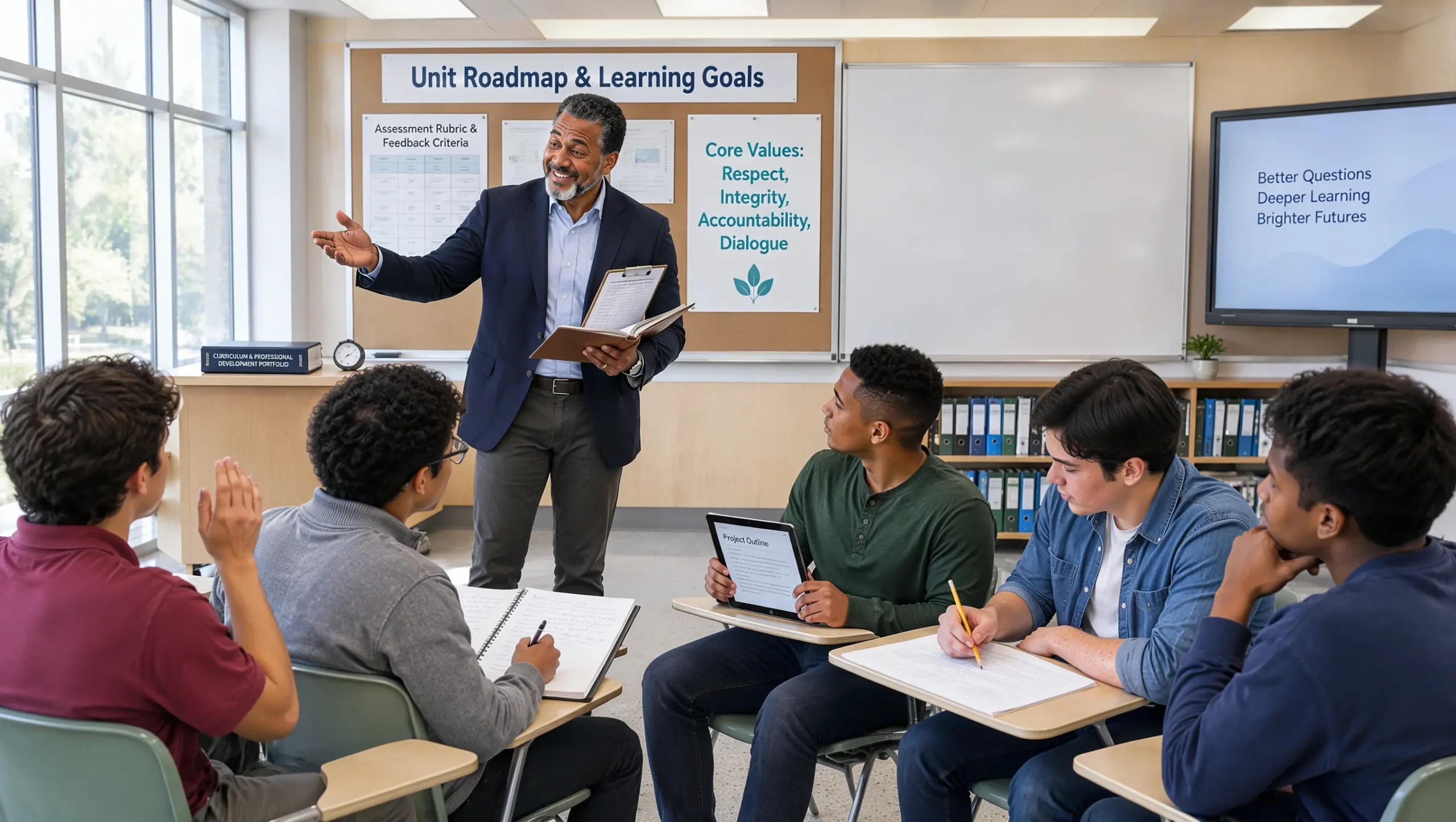
Are you fulfilling all your duties as a teacher, or are you focusing only on completing the syllabus?
Teaching is not simply entering a classroom, explaining lessons, correcting notebooks, and conducting examinations. A teacher carries many responsibilities that influence a child’s academic progress, personal development, behaviour, and future.
With over 20 years of experience in education and school leadership, I strongly believe that an effective teacher is not just a classroom instructor but also a planner, educator, organizer, guide, evaluator, and role model.
Let us understand the 9 essential duties and responsibilities of a teacher.
1. Planning Curricular and Co-curricular Programs
Effective teaching begins with proper planning. Prepare lesson plans, set learning objectives, and plan academic activities. Also, organise sports, arts, competitions, and cultural programmes that support students’ all-round development.
Practical Action:
- Prepare a weekly teaching plan before entering the classroom.
- Identify the learning outcomes for every lesson.
- Include quizzes, group activities, sports, and creative assignments in your monthly plan.
Example: Before teaching a science lesson on plants, plan a classroom activity in which students observe and identify different parts of a real plant.
2. Teaching and Facilitating Learning
Your primary responsibility is to help students learn and understand. Use simple explanations, practical examples, activities, and suitable teaching methods. Encourage curiosity, independent thinking, and active participation.
Practical Action:
- Begin lessons with interesting questions or real-life examples.
- Use teaching aids, demonstrations, and group discussions.
- Give every student an opportunity to participate and express ideas.
Example: While teaching fractions, use a paper circle or an apple divided into equal parts to demonstrate the concept practically.
3. Organising Educational Activities
Organise classroom activities, examinations, projects, celebrations, and other school programmes effectively. Proper organisation saves time, develops responsibility, and ensures the smooth functioning of educational activities.
Practical Action:
- Prepare an activity calendar and examination schedule.
- Assign specific responsibilities to students during classroom activities.
- Ensure that all required materials and arrangements are ready in advance.
Example: While organising a class presentation, assign students different roles such as presenter, timekeeper, team leader, and material coordinator.
4. Supervising, Guiding and Counselling Students
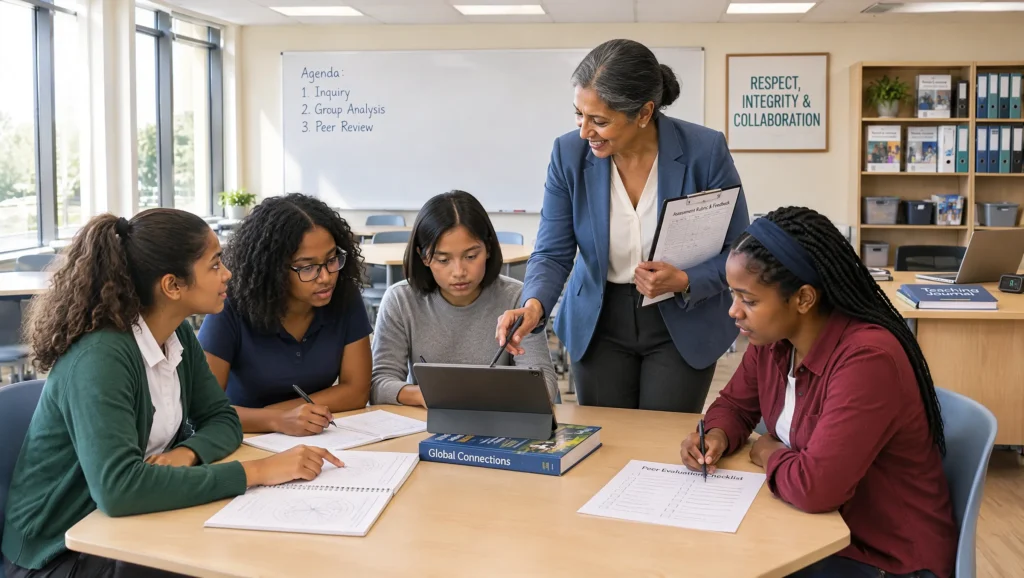
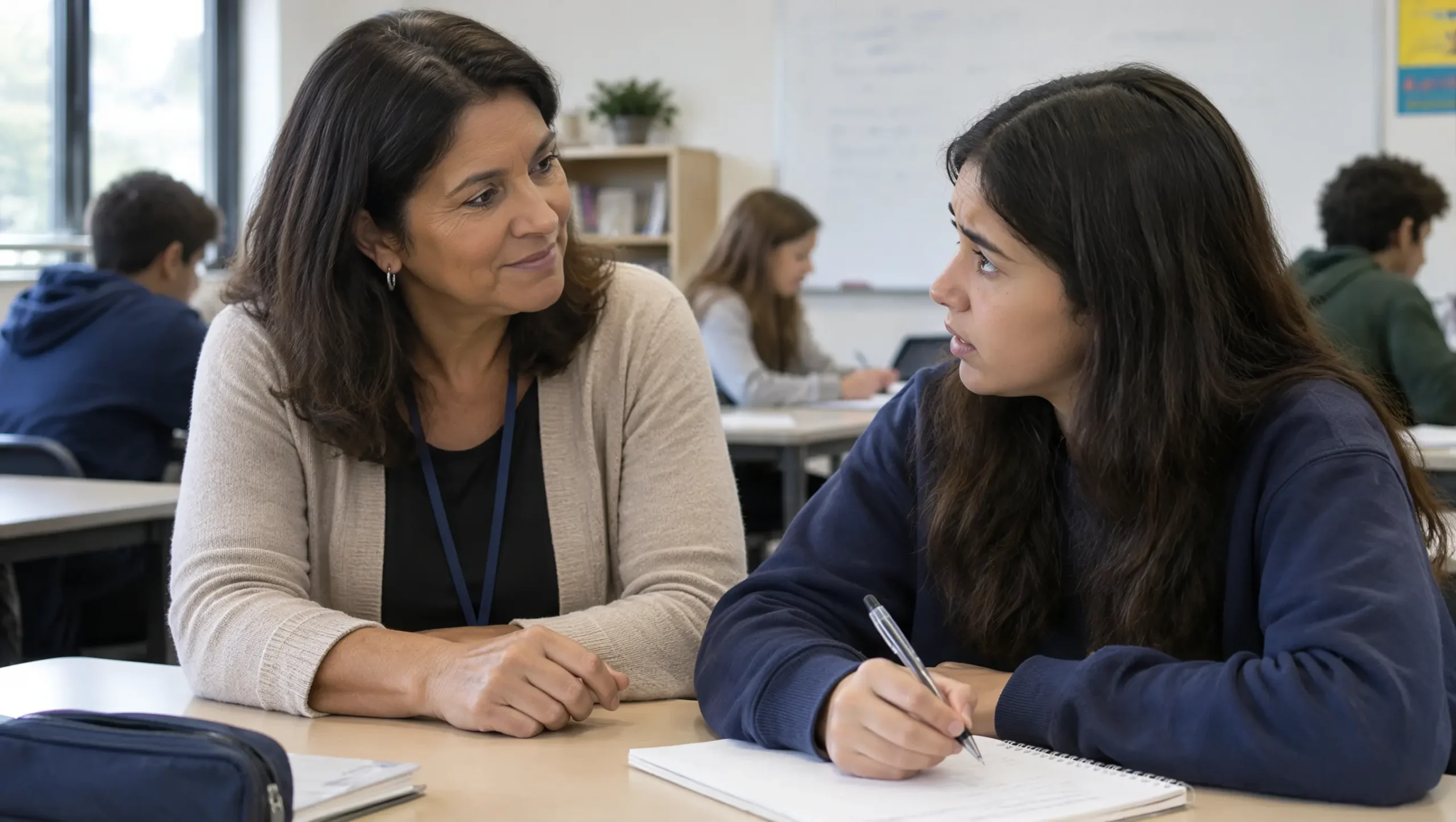
Students need guidance and encouragement at every stage. Supervise their activities, identify their difficulties, listen to their concerns, and guide them towards responsible behaviour. Correct mistakes with patience and kindness.
Practical Action:
- Observe students’ behaviour, participation, and interactions regularly.
- Spend a few minutes talking individually with students who need support.
- Listen without immediately judging or criticising them.
Example: If a student suddenly becomes withdrawn or stops completing homework, speak privately with the child to understand the reason and offer appropriate guidance.
5. Classroom Management and Discipline
Create a safe, positive, and disciplined classroom. Establish clear expectations, encourage mutual respect, and manage behavioural challenges fairly. Discipline should develop self-control and responsibility, not fear.
Practical Action:
- Establish simple classroom rules and explain them clearly.
- Appreciate students who demonstrate good behaviour.
- Address disruptive behaviour calmly and consistently without humiliating students.
Example: If students repeatedly interrupt the lesson, introduce a simple hand-raising rule and appreciate those who wait for their turn to speak.
6. Evaluating Students’ Learning and Achievement
Assess students through tests, assignments, projects, and classroom participation. Evaluate their work honestly and fairly. Provide constructive feedback and help students understand their mistakes. Remember, assessment should improve learning, not merely measure it.
Practical Action:
- Conduct short weekly assessments to identify learning gaps.
- Check notebooks and assignments regularly.
- Explain mistakes and provide opportunities for improvement.
- Use different assessment methods instead of depending only on written examinations.
Example: If a student repeatedly makes grammatical errors, identify the specific problem, explain the correct usage, and provide a few practice exercises.
7. Reporting Students’ Progress
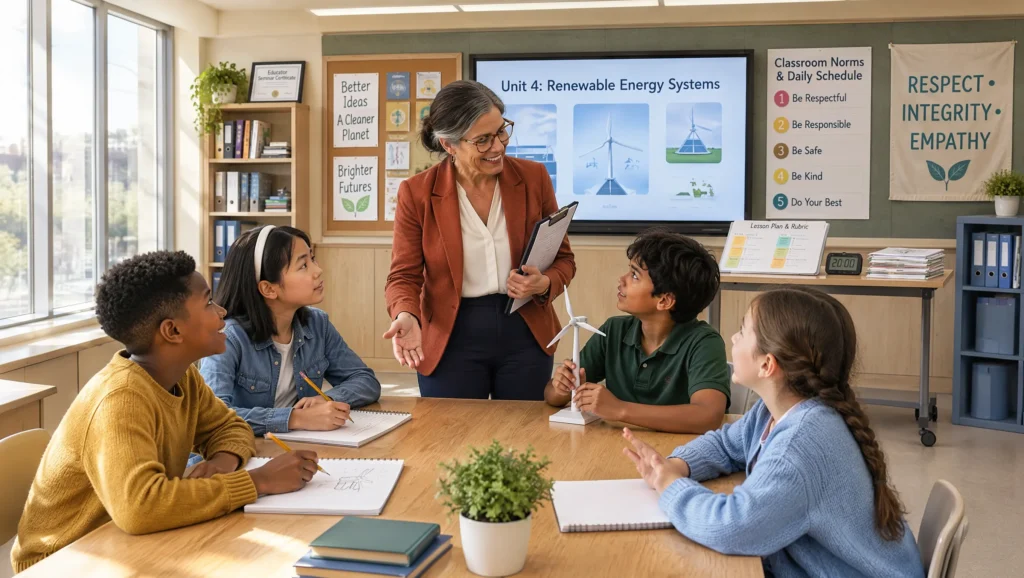
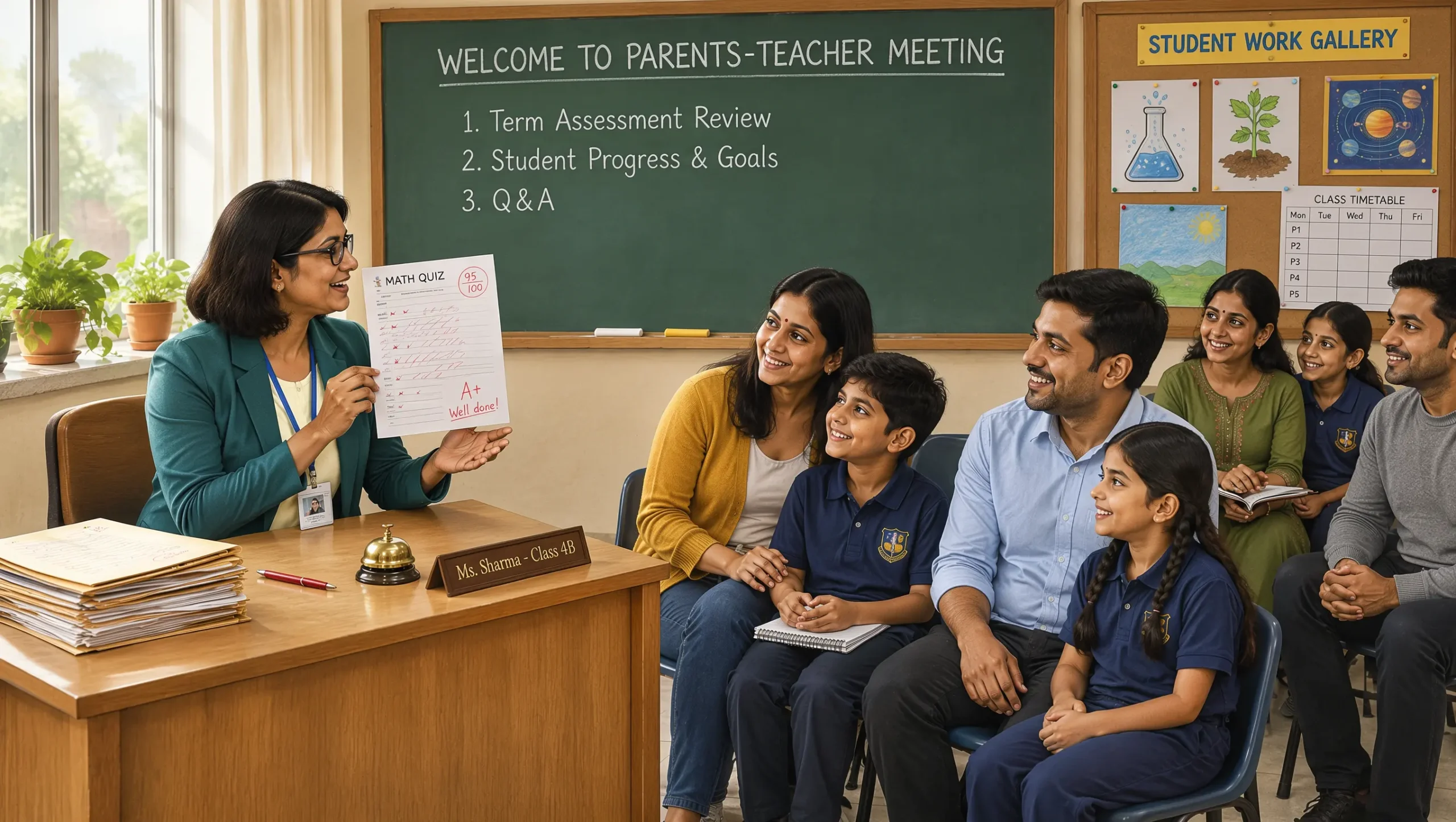
Communicate students’ achievements, academic progress, and areas for improvement to parents and school authorities. Accurate and timely reporting helps everyone understand the child’s needs and provide appropriate support.
Practical Action:
- Maintain accurate records of attendance, marks, and classroom performance.
- Share both achievements and areas requiring improvement with parents.
- Inform parents promptly when a student needs additional academic or behavioural support.
Example: During a parent-teacher meeting, explain not only a student’s examination marks but also their reading ability, classroom participation, homework habits, and areas needing attention.
8. Developing Values and Life Skills
Education is not limited to textbooks and examinations. Help students develop honesty, empathy, respect, cooperation, communication skills, critical thinking, and responsibility. Lead by example because students often learn more from your actions than your words.
Practical Action:
- Encourage students to help one another and respect different opinions.
- Give students opportunities to work in teams and take responsibility.
- Demonstrate punctuality, honesty, kindness, and respect in your own behaviour.
Example: Organise a group activity in which students must complete a task together, ensuring that every member contributes and respects the ideas of others.
9. Continuing Professional Development
A teacher must remain a lifelong learner. Update your subject knowledge, teaching methods, technological skills, and professional competencies. Attend training programmes, exchange ideas with colleagues, and reflect on your teaching practices. A teacher who keeps learning can guide students more effectively.
Practical Action:
- Read educational articles, books, and teaching resources regularly.
- Attend workshops, seminars, and professional development programmes.
- Learn to use digital tools and AI-supported educational resources appropriately.
- Reflect on your lessons and identify one area to improve every week.
Example: Learn to use an interactive quiz platform or an AI tool to prepare engaging classroom activities and assess students’ understanding.
A Thought for Every Teacher
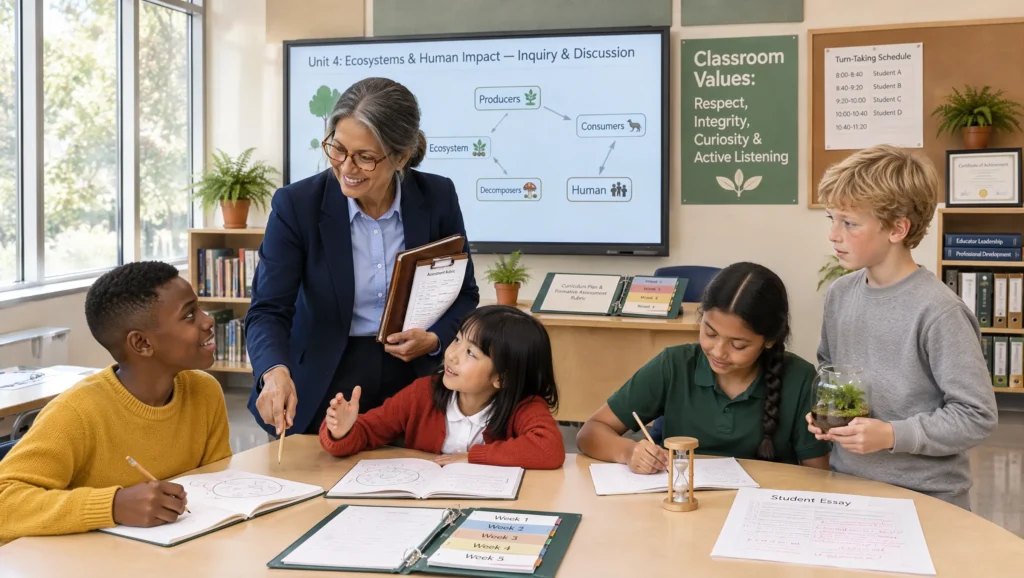
Dear teachers, your responsibilities may be many, but your purpose is one: to help every child learn, grow, and become a responsible human being.
Plan with purpose. Teach with passion. Guide with patience. Evaluate with fairness. Lead by example.
Never measure your contribution only by the number of lessons you complete or the marks your students obtain. Measure it also by the confidence you build, the values you develop, and the lives you inspire.
A good teacher completes lessons. A great teacher helps shape lives.
Frequently Asked Questions (FAQs)
Q1. What are the main duties and responsibilities of a teacher?
A teacher’s main responsibilities include planning lessons, facilitating learning, organising educational activities, guiding students, maintaining discipline, evaluating performance, reporting progress, developing values, and continuing professional development.
Q2. What makes a teacher truly exceptional?
An exceptional teacher combines subject knowledge, effective communication, patience, empathy, classroom management, fairness, and a commitment to students’ overall development.
Q3. Why is lesson planning important for teachers?
Lesson planning helps teachers establish clear learning objectives, organise teaching activities, manage classroom time, and ensure that students achieve expected learning outcomes.
Q4. What is the role of a teacher in students’ personal development?
Teachers help students develop confidence, discipline, honesty, empathy, communication skills, critical thinking, cooperation, and responsible behaviour.
Q5. Why should teachers continue professional development?
Continuous professional development helps teachers update their knowledge, improve teaching methods, develop technological skills, and respond effectively to changing educational needs.
You may like to read:-
- What Makes a Teacher Truly Exceptional? 9 Essential Responsibilities
- How Principals Should Handle Parents’ Complaints: 7 Practical Strategies
- 10 Practical Techniques for Teachers to Handle Parents’ Meetings Successfully
- Before You Correct a Child, Understand Their Behavior
- 15 Daily Reflection Questions for Modern School Principals
Quite educative n essential n effective information for we like Principal….who are striving n struggling for the betterment of Schools…
Your suggestion is our energy.
I am a teacher.so your article is very useful for me.
I will like to know about how a principal can really manage an institution well


Educational & Management Expert, Accredited Teacher & Soft Skills trainer,Certified Counselor,Writer, and Author
There are important techniques to practice for all educators. Appreciate for sharing it.