
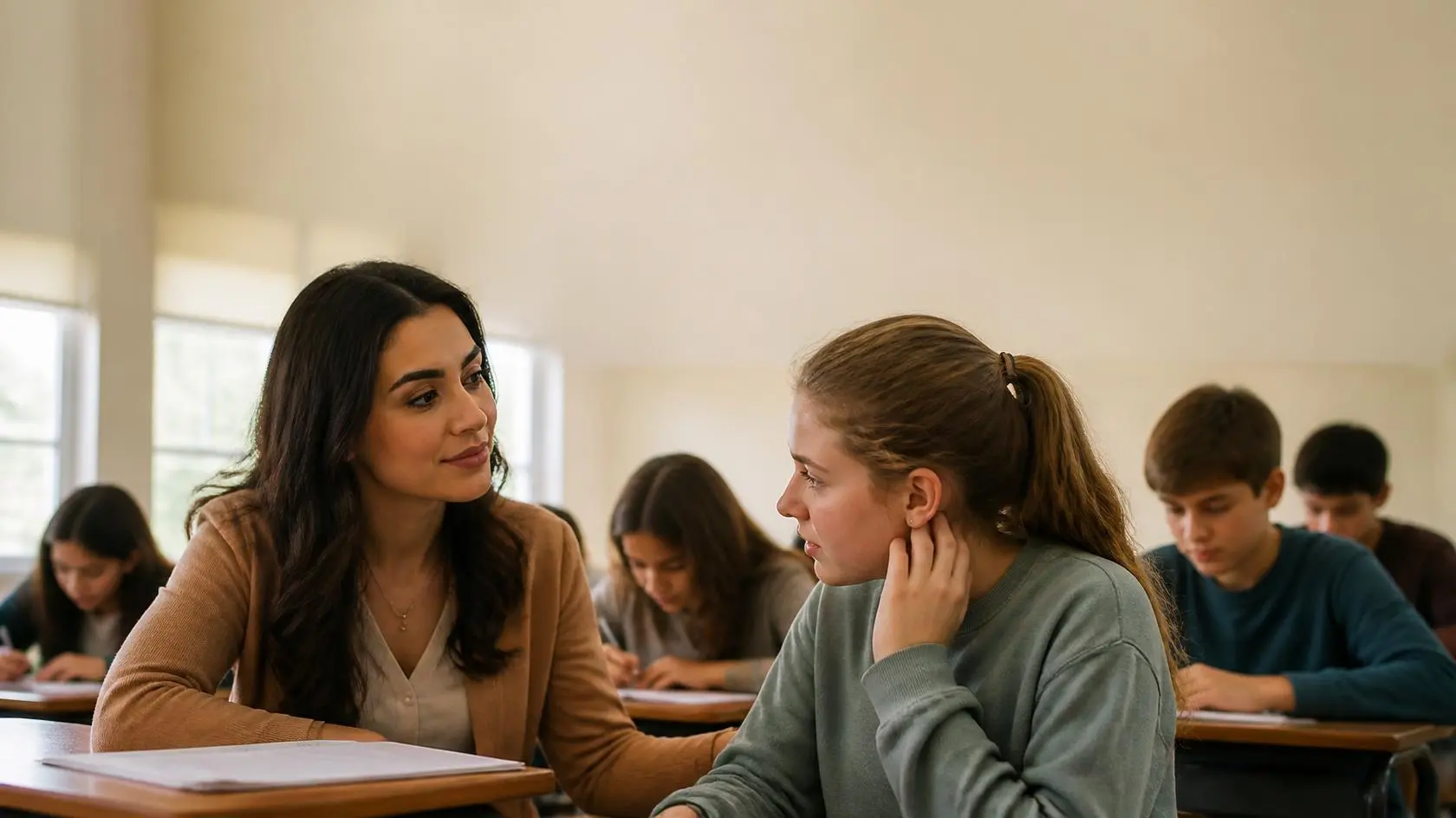
What Is Teacher Empathy?
Teacher empathy refers to a teacher’s ability to understand students’ personal, social, and emotional circumstances. Empathetic teachers care about their students and show concern when they experience happiness, sadness, or other emotions. They demonstrate compassion while recognizing the importance of students’ education and academic progress.
Practical Tip: If a student appears unusually quiet or distracted, speak to them privately and ask, “Is everything okay? Is there anything I can do to help?” Listen patiently without making assumptions.
Qualities of an Empathetic Teacher
Empathetic teachers are caring, kind, considerate, and approachable. They recognise the worth and individuality of every student and encourage tolerance and mutual respect. They strive to build positive relationships with their students and look for opportunities to interact with them whenever possible.
Practical Tip: Greet students with a smile, appreciate their efforts, and avoid comparing one student with another. For example, praise a student who has improved in reading, even if they have not yet reached the class average.

Why is Empathy Important in Teaching?
Empathy is a valuable skill that every teacher should develop and practise. Effective teachers try to understand their students’ feelings by observing their facial expressions, behaviour, and responses. Empathy helps teachers build meaningful connections with students, creating a supportive learning environment where children feel understood, respected, and valued.
Practical Tip: Before reacting to a student’s anger, silence, or poor performance, try to understand the reason behind the behaviour. A student who repeatedly fails to complete homework may need guidance and encouragement rather than immediate punishment.
Positive Interaction with Students
Empathetic teachers interact with students before and after class, during breaks, at lunchtime, and after school whenever possible. They create a welcoming environment where students feel comfortable communicating their concerns and seeking support. They look for ways to help students reach their full potential and treat them with care, respect, and fairness to encourage their best performance.
Practical Tip: Spend a few minutes each day talking informally with students. Ask about their interests, hobbies, or learning difficulties. For example, if a student rarely participates in class, ask whether they would feel more comfortable sharing their answers in a small group first.
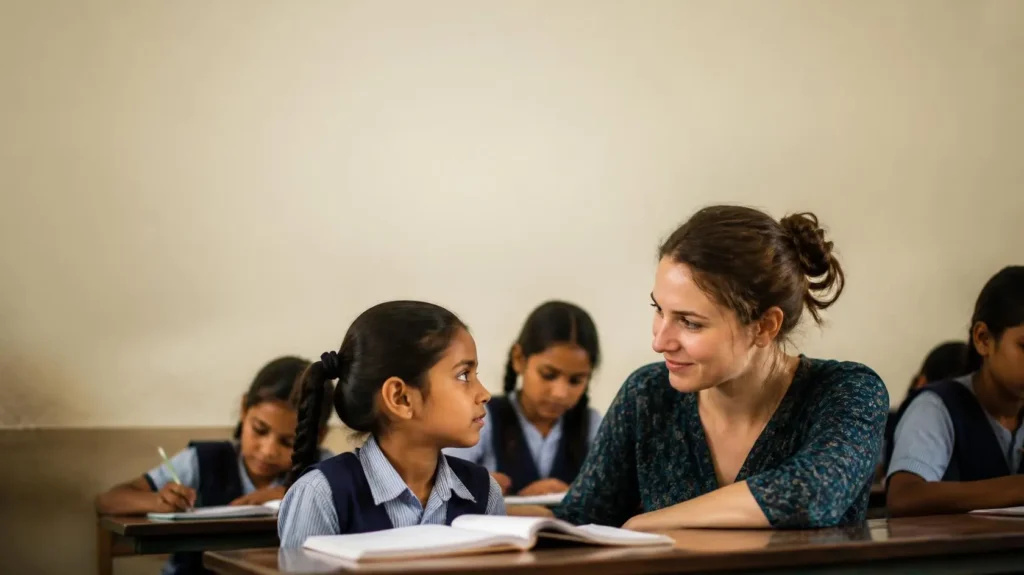
Take Responsibility
Empathetic teachers care about their students’ well-being and academic progress. They take the initiative to understand students’ difficulties and find appropriate solutions. They remain attentive to changes in students’ behaviour, attendance, and classroom participation so they can identify problems early and provide timely support.
Practical Tip: Monitor students’ attendance, participation, and academic progress. If a student suddenly begins missing classes or performing poorly, speak with the student and communicate with their parents respectfully to identify practical ways to provide support.
Create Opportunities for Collaboration
Empathetic teachers provide opportunities for students to participate in group projects and teamwork. These activities help students learn to cooperate, respect different opinions, support one another, and handle both success and failure positively. Collaborative learning also strengthens relationships among students and fosters a sense of belonging and community.
Practical Tip: Organize small-group activities in which every student has a role. For example, during a science project, assign responsibilities such as collecting information, preparing charts, and presenting findings. Encourage students to appreciate one another’s contributions, whether their team wins or loses.
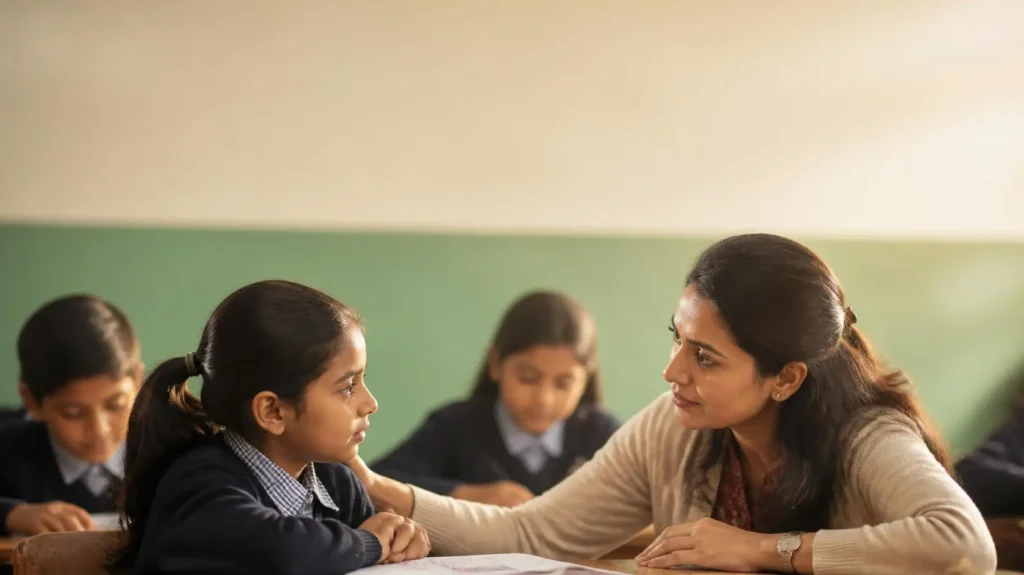
Create an Empathetic Classroom Culture
Every classroom has its own culture, which teachers can help establish at the beginning of the academic year. Since every student is unique, teachers should encourage children to understand and respect individual differences. Short activities and discussions that promote empathy can help students develop stronger friendships, resolve conflicts peacefully, and create a more inclusive classroom.
Practical Tip: Establish classroom rules that promote kindness, respect, and inclusion at the beginning of the academic year. Ask students how they would feel if someone laughed at their mistakes or excluded them from a game. Help them identify kind and respectful ways to respond to such situations.
Know Yourself
Teachers should recognize the importance of being genuine, approachable, and understanding. Showing warmth and genuine concern for students, both inside and outside the classroom, helps teachers build trust. Self-awareness also enables teachers to manage their emotions, make fair academic and disciplinary decisions, and better understand their students’ needs.
Practical Tip: Reflect on your responses after a challenging classroom situation. Ask yourself, “Did I listen to the student before judging? Was my response fair?” If you make a mistake, acknowledge it and apologize when appropriate. This teaches students that everyone can learn, grow, and improve.
Conclusion: Teach with Empathy, Touch Lives
Teaching is not just about completing lessons, explaining concepts, or preparing students for examinations. It is also about understanding young minds, recognizing their struggles, and making every child feel valued. An empathetic teacher looks beyond a student’s mistakes to understand the child behind them. Sometimes, a kind word, a patient listener, or a small act of understanding can make a lasting difference in a student’s life.
Remember, students may forget some of the lessons you teach, but they will remember how you made them feel. When you teach with empathy, you do more than educate students; you help them develop confidence, kindness, and compassion. Be the teacher who not only teaches lessons but also touches lives.
Frequently Asked Questions (FAQs)
1. What is teacher empathy?
Teacher empathy is the ability to understand students’ feelings, challenges, and personal circumstances while providing appropriate emotional and academic support.
2. Why is empathy important in teaching?
Empathy helps teachers build trust, strengthen relationships with students, create a positive classroom environment, and support students’ emotional and academic development.
3. What are the qualities of an empathetic teacher?
An empathetic teacher is caring, patient, kind, understanding, approachable, fair, and respectful of individual differences.
4. How can teachers develop empathy in the classroom?
Teachers can develop empathy by listening actively, understanding students’ perspectives, avoiding unfair comparisons, encouraging teamwork, and responding to students’ difficulties with patience and compassion.
5. How does teacher empathy improve student learning?
Teacher empathy helps students feel safe, respected, and understood. This can increase their confidence, classroom participation, motivation, and willingness to seek help when they face difficulties.
You may like to read:-
- Teacher Empathy: 7 Ways to Build Strong Student Relationships
- 6 Effective Communication Skills That Make You a Better Teacher
- Four Ways to Grow as an Educator
- 7 Things Parents Expect from Their Child’s Teacher
- 4 Simple Ways to Increase Student Engagement in the Classroom
This is wonderful. This report is fantastic.
Sir your content is reflected on real classroom situation.
Hello Sir, This is a powerful and so meaningful message. As head of a secondary school, this is a philosophy…
We will follow it…


Educational & Management Expert, Accredited Teacher & Soft Skills trainer,Certified Counselor,Writer, and Author

Thanks! I understood a lot of things that I did without reading this post. I will reuse this information when…